Air pollution and carbon footprint: the end of a golden era for wood heating
7 min read
At a time when air quality and climate issues occupy a central place in public and private debates, wood heating, once hailed as an ecological and economical solution, is facing a serious decline. Reputed for its renewable nature and its "Wood Energy" label, this type of heating is now being criticized for its harmful emissions and its real impact on the carbon footprint of households. The end of a golden era seems to be looming, driven by increasingly strict regulations, heightened consumer awareness, and the rise of alternative technologies that are more environmentally friendly. This evolution raises many questions about the place of wood heating in our society, as well as viable solutions that could take over to ensure sustainable, efficient heating compatible with the Air Pur and Zero Carbon objectives.
The environmental and health impacts of wood heating: understanding the air pollution related to wood energy
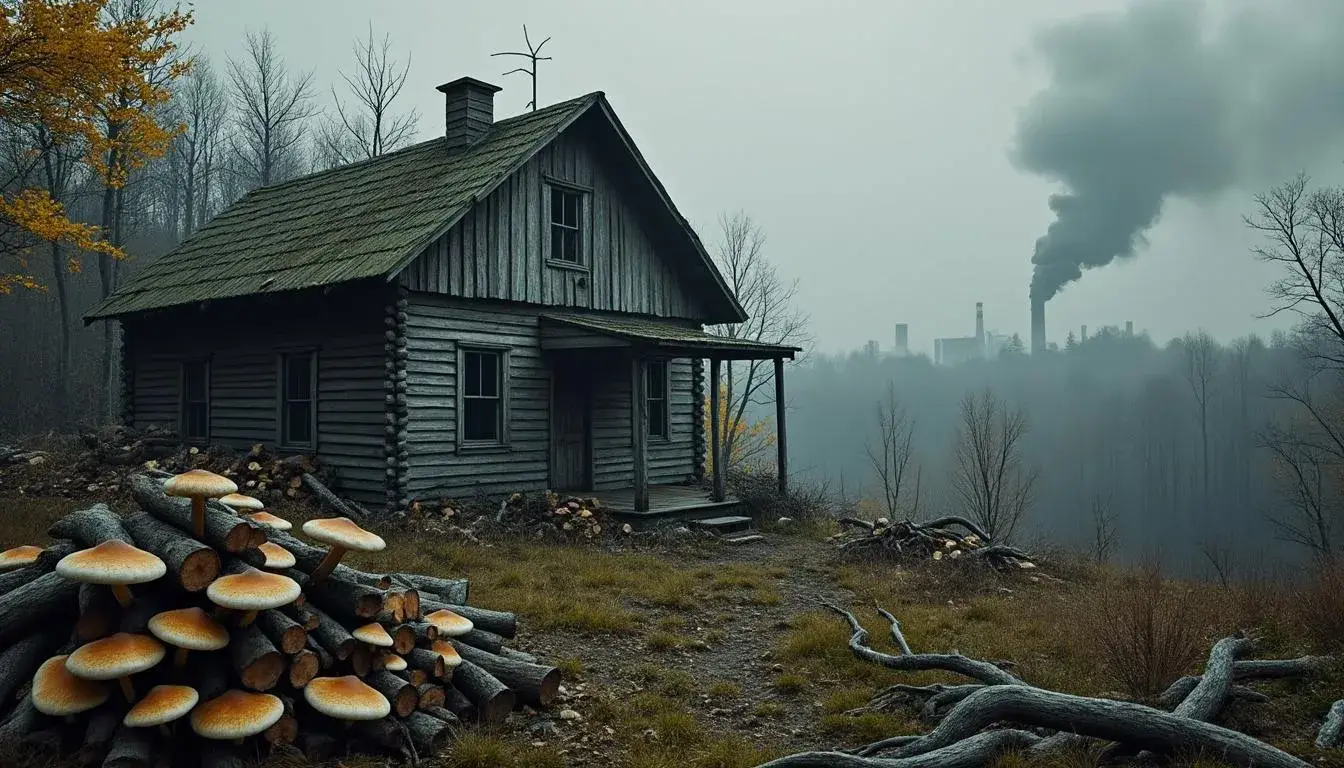
Wood heating is often valued for its renewable nature and its potential to reduce dependence on fossil fuels. However, despite this positive image, it remains one of the main sources of pollutant emissions in the residential sector, significantly contributing to ambient air pollution and posing serious public health problems.
Fine particles (PM10, PM2.5) resulting from wood combustion directly influence indoor and outdoor air quality, causing respiratory and cardiovascular diseases. In Île-de-France, for example, wood heating accounts for 86% of PM10 fine particle emissions in the residential sector, even though it only covers 6% of the energy needs of this population (AIRPARIF data 2021). This disproportion points to very strong local pollution, justifying the restrictive measures that are emerging to limit its usage [source AIRPARIF].
The incomplete combustion of wood also generates toxic emissions such as carbon monoxide (CO), benzene, and various polycyclic aromatic hydrocarbons (PAHs), which are recognized as carcinogenic by international organizations such as the International Agency for Research on Cancer (IARC) [source Cairn]. The polluting emissions are not limited to inside the home but extend to the external atmosphere, worsening air quality and leading to increased hospitalizations during the winter period.
To reduce this pollution, technical and behavioral solutions exist, including the adoption of Ecoforest or GreenHeat labeled stoves and boilers, which ensure better combustion and reduce pollutant emissions. The quality of the wood used, its humidity content, and the regularity of the maintenance of the installation also play a fundamental role in optimizing the wood heating system.
Use dry wood (less than 20% humidity) to improve combustion efficiency
Opt for efficient and certified devices like Ecoforest or GreenHeat
Ensure regular maintenance of ducts and devices to prevent toxic fumes
Avoid poor quality fuels or treated wood, which are responsible for additional pollutants
Pollutant | Main Source | Environmental Effects | Health Consequences |
|---|---|---|---|
Fine particles (PM2.5, PM10) | Incomplete wood combustion | Deterioration of indoor and outdoor air quality | Respiratory and cardiovascular diseases |
Carbon monoxide (CO) | Imperfect combustion | Immediate toxic effect | Poisonings, respiratory disorders |
Polycyclic aromatic hydrocarbons (PAHs) | Incomplete combustion of wood | Hazardous pollutants, potentially carcinogenic | Risks of cancer and other serious pathologies |
These findings lead to questioning the true carbon footprint of wood heating, beyond its claimed green image.
Carbon footprint of wood heating: from perception to zero carbon reality
Wood is often presented as a “Zero Carbon” energy source since the CO2 released during combustion equals that absorbed by the tree's growth. However, this simplified approach does not take into account all stages of the life cycle nor the indirect emissions linked to wood heating.
Beyond combustion, the collection, transportation, drying of wood, as well as the manufacturing and maintenance of Ecoforest and GreenHeat equipment contribute to a total carbon footprint. A detailed study conducted by Heero reports that traditional wood heating can emit greenhouse gas (GHG) quantities greater than those of modern gas boilers when the techniques used are outdated or inefficient [source Heero].
On the other hand, the development of efficient technologies and controlled usage tends to correct these imbalances. The Ecological Heating label, in particular, encourages the transition to more efficient and less polluting systems, improving the contribution of wood energy to the energy transition without sacrificing air quality. This evolution is reinforced by the emergence of pellet boilers, with brands like Ecoforest, which combine comfort, performance, and environmental respect.
Consider the entire life cycle for a fair assessment of the carbon footprint
Adopt high-performance equipment with optimized combustion
Improve forest management for sustainable supply
Raise user awareness of good practices to reduce emissions
Type of heating | CO2 emissions (kg/year for an average household) | Local pollutants emitted | Compliance with Zero Carbon standards |
|---|---|---|---|
Traditional wood stove | 1,800 | Fine particles, CO, PAHs | No |
Ecoforest pellet boiler | 800 | Fewer fine particles | Yes |
Modern gas boiler | 1,200 | NOx | Partly |
This transition also involves a proactive policy aimed at regulating the use of wood heating, notably through progressive bans and dedicated financial assistance that individuals can seek, with information available on specialized platforms [source Prime Coup de Pouce].
Regulations and public policies to regulate wood heating: towards a progressive ban
As the health effects become increasingly documented, authorities have implemented strict regulatory measures aimed at reducing pollution related to wood heating. Among them, the progressive ban on certain old or non-compliant devices is one of the flagship measures planned by 2027 [source Prime Coup de Pouce].
These decisions are based on national action plans that set clear objectives to improve air quality and encourage energy renovations of homes. Each affected household is invited to replace its outdated equipment with more efficient and less polluting solutions, such as those provided by manufacturers like Ecoforest or GreenHeat.
Progressive ban on non-performing wood appliances until 2027
Maintenance obligation for installations to limit pollutant emissions
Financial assistance and subsidies to encourage renovations
Active communication about the risks related to domestic pollution
Year | Regulatory measure | Expected impact | Useful resource |
|---|---|---|---|
2023 | Launch of the wood heating action plan | Awareness and first restrictions | Official document |
2025 | Ban on non-labeled devices | Significant reduction in pollutant emissions | More information |
2027 | End of use of old stoves | Improved air quality | Regulatory details |
This policy also aims to protect the health of the populations while ensuring access to sustainable and responsible heating solutions, in compliance with the RespectAir label requirements. These efforts require the involvement of local actors and the availability of qualified craftsmen, capable of supporting the energy transition.
Sustainable alternatives and innovations in the heating sector: a transition to EcoHeat
With the questioning of traditional wood heating, new efficient and sustainable solutions are emerging to meet the growing needs for thermal comfort while respecting the environment.
Hybrid systems combining solar energy and wood, multi-fuel Ecoforest boilers, as well as low-emission technologies are rapidly developing. These innovations allow for modular heating, less polluting, and above all more efficient, promoting better integration into energetically efficient housing.
High-performance pellet boilers, providing better yield with a reduced carbon footprint
Hybrid heat pumps associated with stoves such as GreenHeat
Integration of thermal solar panels in heating systems
Automation and smart control to optimize energy consumption
Technology | Advantages | Environmental impact | Brand example |
|---|---|---|---|
Ecoforest pellet boiler | High efficiency, reduced emissions | Increased RespectAir | Ecoforest |
GreenHeat hybrid heat pump | Optimized consumption, flexibility | Reduction of GHGs | GreenHeat |
Thermal solar panels | Free renewable energy | Zero Carbon | Woodstock |
These innovations are complemented by information campaigns aimed at promoting proper maintenance practices, the quality of supplied wood, and gestures to improve indoor air quality. The choice of sustainable heating thus corresponds to a collective commitment to a cleaner future, associated with the reasoned use of natural resources.
Awareness and local engagement: the importance of individual responsibility for clean air
The fight against pollution from wood heating can only be effective if it relies on the commitment of each user, whether private or professional. Knowledge of the issues, diligence in maintenance, and adherence to good practices are essential determinants for preserving the environment and health.
Local craftsmen like Paul Leclerc play a fundamental role in this chain of responsibility. Their expertise in the installation, troubleshooting, and renovation of heating equipment is essential for ensuring compliance with standards and the performance of systems. Moreover, their proximity to clients facilitates personalized support and quick responses in case of emergency.
Choose high-performance certified devices for better yield and reduced impact
Implement regular maintenance entrusted to qualified professionals
Prefer dry and well-recognized wood quality to minimize pollution
Stay informed about regulatory changes and available financial assistance
Role | Key Responsibility | Benefit for the consumer |
|---|---|---|
Heating technician | Installation and maintenance | Work guarantees and safety |
Private user | Compliance with usage instructions | Pollution reduction and optimization |
Local community | Information and financial assistance | Facilitated energy transition |
Adopting a responsible approach also contributes to the improvement of overall air quality, a priority axis of the zero carbon plan. This collective accountability is nourished by community discussions, interventions on social media, and strengthened proximity between craftsmen and users [source Prime Coup de Pouce].