Biomass boiler: the ecological and economical heating solution for your home
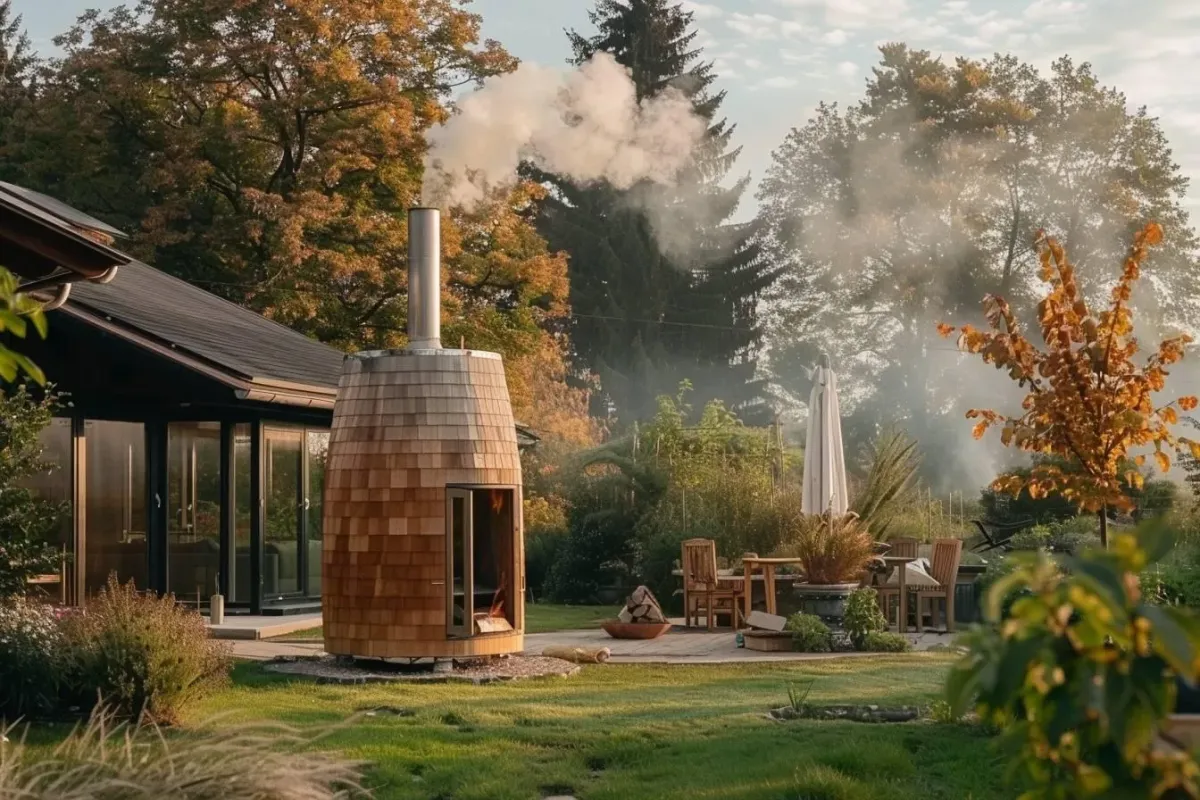
What could be more captivating than a biomass boiler? A true gem of green technology that I am pleased to present to you today. Let me take you on a journey to the heart of this ecological and economical heating solution that transforms our homes. As I often tell my clients during my consultations in Lyon, it is an investment for the future that deserves our full attention.
What is a biomass boiler and how does it work?
A biomass boiler is an innovative central heating system that uses organic materials as fuel. Unlike traditional boilers that burn fossil fuels, this little ecological miracle feeds on renewable resources. Just imagine: you heat your home while contributing to the preservation of our beautiful planet!
The operation of these boilers is appealing. They convert the energy contained in biomass into heat through a highly efficient combustion process. The main fuels used are:
Wood logs
Pellets
Wood chips
Sawdust and bark
Straw
What intrigues me the most is the impressive energy efficiency of these boilers. Depending on the models, efficiency ranges from 75% to 95%! It's like your money multiplies in your wallet every time you turn on your heating. A true ecological magic trick!
There are two main types of biomass boilers:
Automatic feed boilers: equipped with a silo, they free you from the daily chore of feeding.
Manual feed boilers: for those who like to maintain total control over their heating.
Personally, I often recommend automatic feed models. They offer optimal ease of use, especially for those who, like me, always have a cup of organic tea in hand and prefer to spend their time optimizing their energy savings rather than feeding their boiler.
The advantages and disadvantages of biomass heating
Like any heating system, the biomass boiler has its strengths and weaknesses. Let me outline a comparative table that summarizes the main points:
Advantages | Disadvantages |
|---|---|
Ecological (renewable energy) | High purchase and installation cost |
Economical in use | Requires space for the unit and storage |
Eligible for financial aids | Regular maintenance required |
High energy efficiency | Fuel supply to manage |
One of the main assets of the biomass boiler is its ecological nature. By using renewable resources, we significantly reduce our carbon footprint. It's like planting a tree every time you heat yourself! Furthermore, the fuel used is generally cheaper than oil or gas, which translates to substantial savings on your energy bill.
However, let's be honest: the initial investment can be daunting. The purchase and installation cost of a biomass boiler is relatively high. But don’t be discouraged! As I always say, it's an investment for the future. And let’s not forget the many financial aids available that can greatly reduce the bill.
Another point to consider is the space required. A biomass boiler is not just a simple radiator you hang on the wall. It requires a dedicated space, much like a storage area for fuel. It's a bit like having a small power plant at home. Exciting, isn't it?
What budget should you plan for a biomass boiler?
Let’s talk numbers, shall we? The price of a biomass boiler can vary significantly based on the model and power. On average, you can expect to spend between €4,000 and €20,000 for the unit itself. In addition, installation costs range from €500 to €3,500.
I know what you’re thinking: "Christian, that's quite a sum!" And you’re right. But let me explain why it’s a wise investment:
Longevity: With proper maintenance, your biomass boiler can last between 15 and 20 years. It's almost as loyal as an old dog!
Long-term savings: Biomass fuel is generally cheaper than fossil fuels. You will start to see the difference on your bills from the first year.
Financial aids: There are numerous aids to lighten the initial cost. We’ll get back to that in a moment.
And then, as I often say while sipping my organic tea, can you really put a price on the satisfaction of heating your home ecologically? It's like having a little piece of forest in your basement!
The financial aids for your biomass heating project
Good news! The French government, in its great wisdom, has set up several schemes to encourage the adoption of biomass heating. Here are the main aids you may qualify for:
MaPrimeRénov': This aid can cover up to 50% of the cost of your biomass boiler.
The Energy Savings Certificates (CEE): Also known as "energy bonus," they can save you several hundred euros.
The zero-interest eco-loan: A welcome boost to finance your project without interest.
Local aids: Some regions or municipalities offer additional aids. Don’t hesitate to inquire with your town hall.
However, these aids are subject to certain conditions. For example, the installation must be carried out by a professional certified RGE (Recognized Guarantee of the Environment). Additionally, your boiler must meet specific performance criteria: an efficiency exceeding 77-79% and pollutant emission thresholds to respect.
I highly recommend choosing a boiler branded Flamme Verte. It's a bit like the Holy Grail of biomass boilers, ensuring performance and compliance with environmental standards.
All in all, with all these aids, your investment in a biomass boiler becomes not only ecological but also very economical. That's what I call killing two birds with one stone, or rather, making one log into two flames!