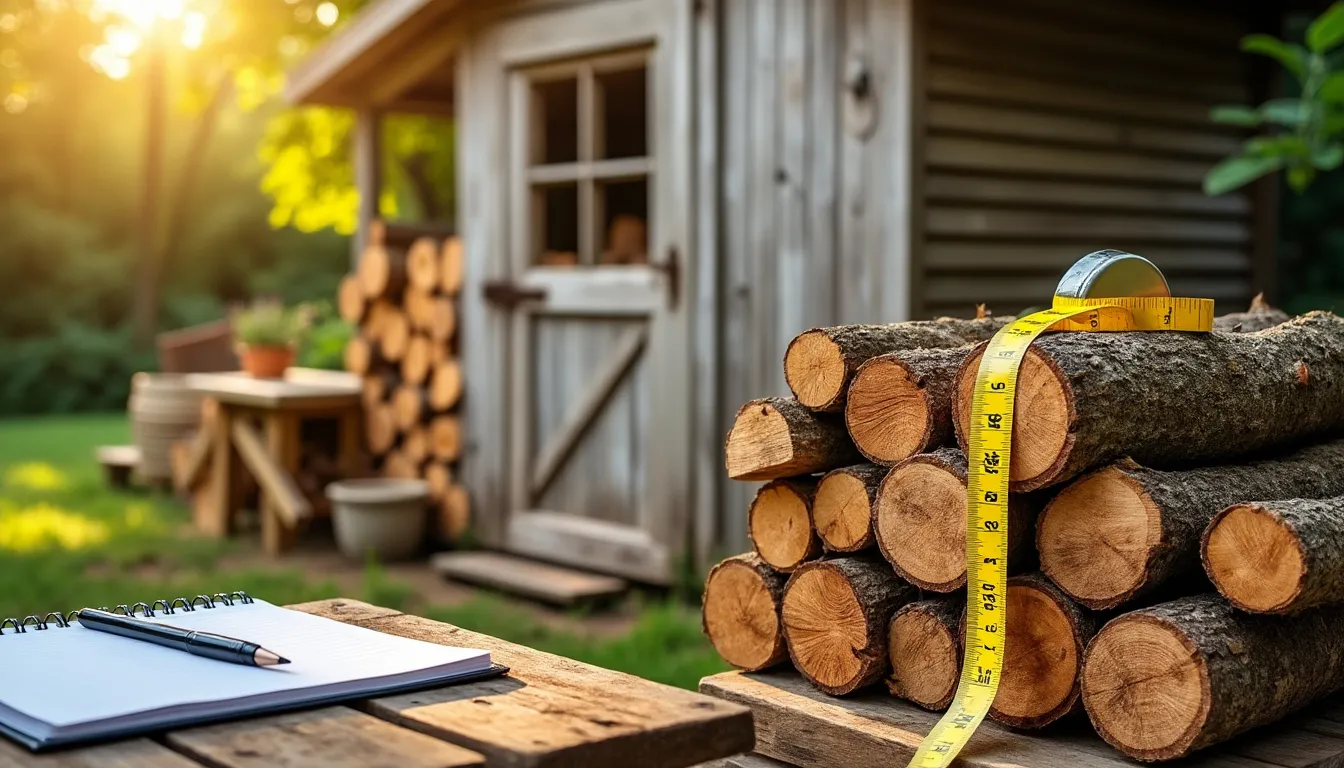
Budget for wood heating: how to plan your annual supply in steres?
4 min read
In a context where environmental concerns are becoming increasingly pressing, wood heating emerges as a sustainable and economical solution. However, even though its adoption is growing, many consumers face challenges related to planning their supply of firewood. So, how can you develop a precise budget and effectively plan the purchase of wood for the upcoming year? This article aims to provide you with clear and practical answers, so you can enjoy your evenings by the fire, without supply worries or unexpected costs. We will discuss, among other things, the different sources of wood, the associated costs, and tips for maximizing your investment.
Understanding the different types of firewood
The first step in planning your firewood supply begins with understanding the different types of wood available on the market. Each type of wood has its own characteristics in terms of calorific value, durability, and cost.
The types of wood used for heating
Hardwood: Species such as oak, beech, or maple. This wood has a high calorific value and burns slowly.
Softwood: Species like pine, spruce, or poplar. Lighter and less dense, it burns more quickly but requires a larger volume to produce the same heat.
Reconstituted wood: Made from wood scraps and waste. It is an economical option, but be sure to choose quality products to avoid potential pollutants.
Compressed wood: Logs made from compressed shavings. Very convenient for use in fireplaces and stoves, their calorific value is high.
Firewood suppliers
On the market, several suppliers stand out for the quality of their wood. Brands like Ecoforest, Forest'Bois, Bricomarché, Castorama, and Leroy Merlin offer various solutions suited to all budgets. Local sawmills like La Scierie can also represent an interesting alternative, often able to guarantee more ecological and less polluting wood.
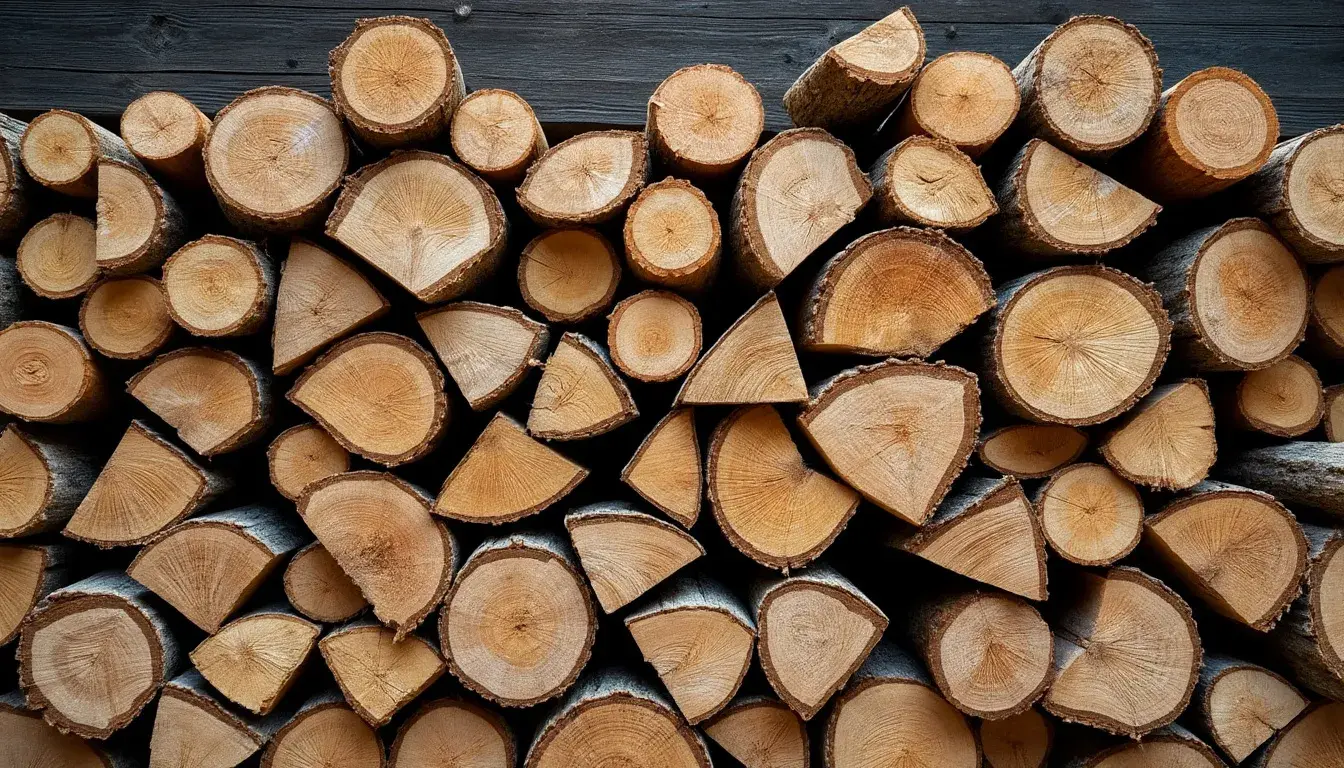
Establishing a budget for your wood heating
Now move on to financial planning. For a supply of hardwood, it is crucial to establish a budget that takes into account several factors such as: cost per ster, necessary volumes, and price variations depending on the seasons.
Calculating firewood needs
To determine the amount of logs needed, start by assessing the area to be heated and the type of heating chosen.
Volume of the space: You need to know the volume of your house or the room to be heated.
Insulation: A well-insulated house will not need the same amount of wood as an old poorly insulated house.
Use: A wood stove will benefit differently than a traditional fireplace, depending on the frequency of use.
Costs associated with firewood
Type of wood | Average cost per ster (euros) | Additional information |
|---|---|---|
Hardwood | 80-120 | Best yield, ideal for primary heating |
Softwood | 60-90 | Burns faster, ideal for starting a fire |
Compressed wood | 100-150 | High density, low moisture content, ideal for stoves |
Optimize your annual supply
Once you have determined your needs and established a budget, it is wise to adopt certain practices to maximize your supply of firewood.
Buy in bulk and choose a trusted supplier
Anticipation: Buying in advance, for example in summer, can reduce costs.
Partnership: Committing to a supplier, such as Energy Bois or Bois Énergie, can generate discounts or advantageous delivery conditions.
Check the quality: Don’t neglect to check the origin, species, and moisture content of your wood.
Proper storage for good efficiency
Storing wood is just as important as purchasing it. Here are some tips to ensure good preservation.
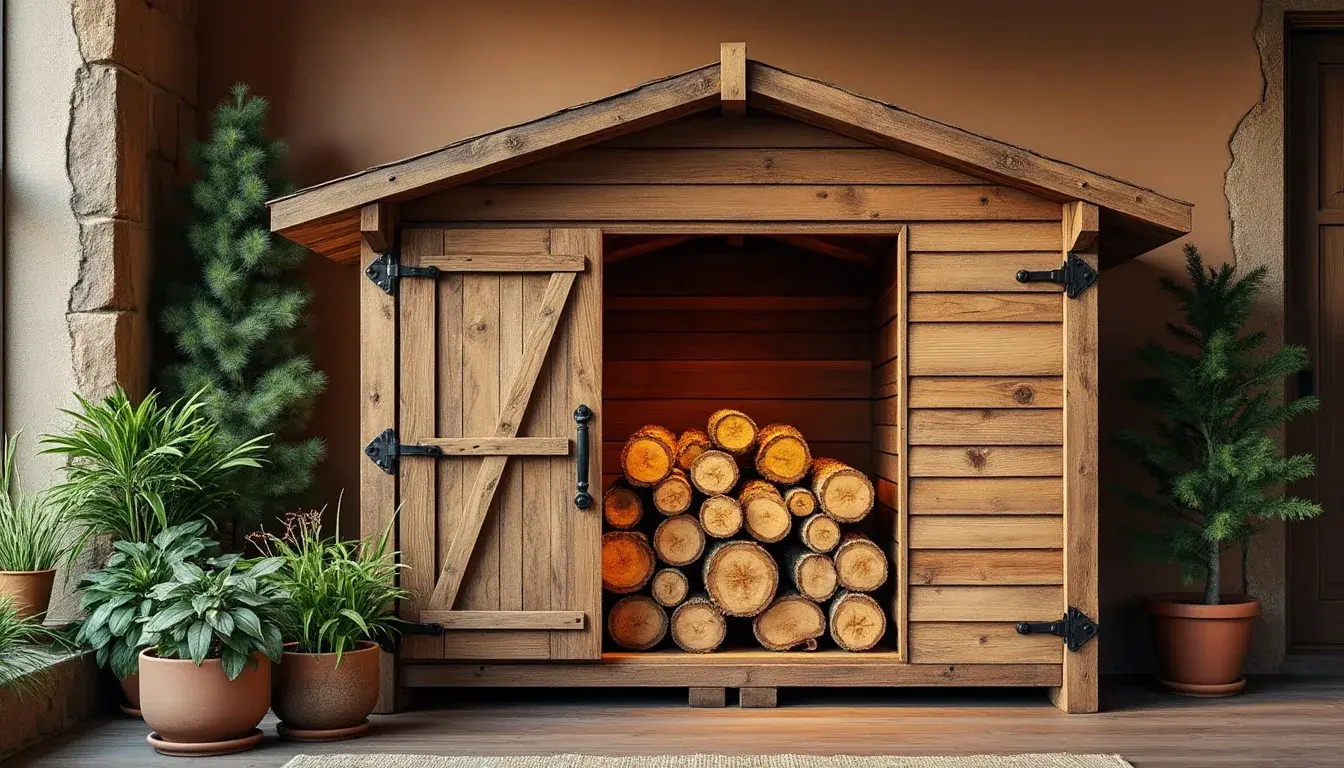
Hygiene: Store wood in a dry place, elevated off the ground to avoid moisture.
Air circulation: Ensure that air can circulate around the logs.
Separation: Avoid mixing different types of wood to not affect combustion.
Financial assistance for purchasing firewood
In 2025, many financial aids aim to encourage the use of sustainable heating systems, including wood. These subsidies can significantly reduce the cost of purchasing your firewood.
The various available aids
Tax credit: Certain wood-using equipment may qualify for a tax credit of up to 30%.
Local aids: Many communities offer subsidies for purchasing ecological firewood.
Energy bonuses: Offers such as Prime Coup de Pouce Chauffage provide access to bonuses based on the energy performance of purchased devices.
Where to find information on financial assistance
To get the most out of the available aids, it is crucial to keep an eye on official platforms such as the Government's website or local structures, not forgetting to consult the websites of major retailers like Cultura, which often provide resources on possible financing options.
FAQ on planning firewood supply
How much firewood should I plan for winter? This depends on insulation and the area to be heated; a common estimate is around 6 to 8 steres for winter.
When should I buy my wood? Ideally, buy in spring or summer to benefit from lower prices and ensure well-dried wood.
How to guarantee the quality of the wood? Check the origin, moisture content (below 20% is optimal), and ensure the correct species of wood.
Are financial aids accessible to everyone? Yes, many aids are available, but they may vary by municipality. Be sure to inquire!
Can different types of wood be mixed for heating? It is advisable not to mix types for better combustion efficiency.