Combined solar heating: a high-performance system for sanitary hot water and heating
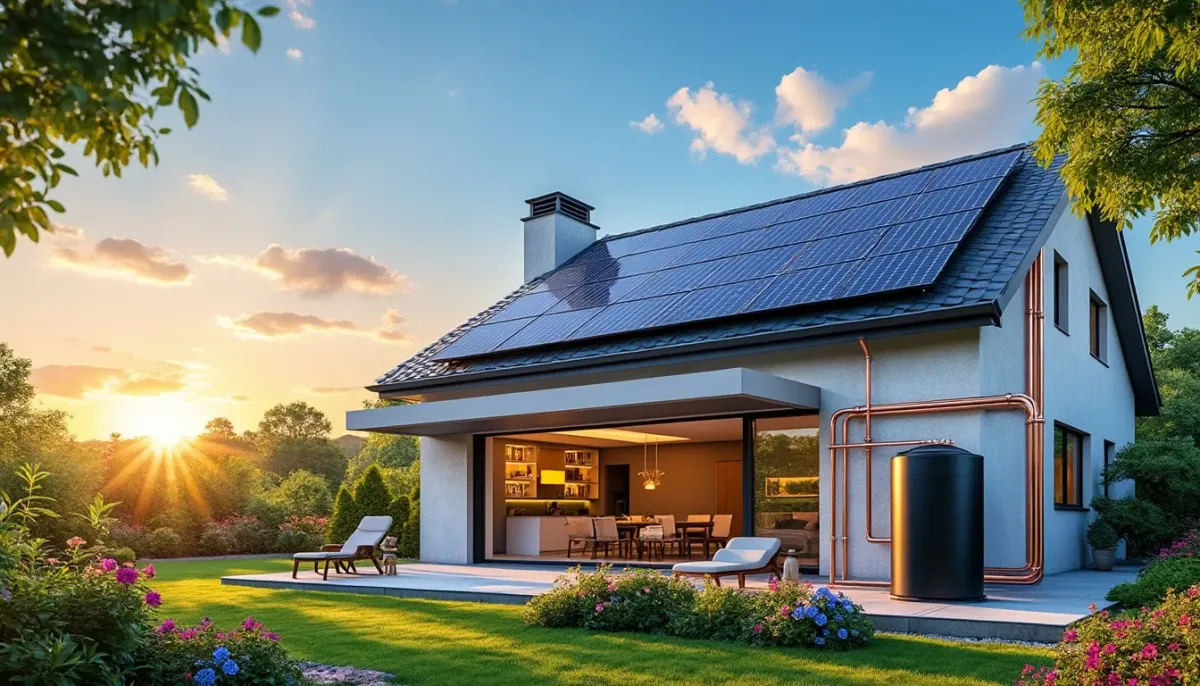
Combined solar heating represents an ideal solution to combine energy efficiency and environmental respect. As we approach 2025, while energy challenges are growing, opting for a system capable of producing both sanitary hot water and heat for housing becomes an urgent necessity. This type of heating, which is part of an energy transition process, allows for optimal use of solar energy. With the rise of technologies like Solarclima and ThermoSolaire, it's time to consider the undeniable advantages of these systems.
The principles of combined solar heating
The combined solar heating systems, often abbreviated as SSC, use solar panels to capture solar energy and convert it into heat. This process, while seemingly simple, relies on various technical elements that ensure its efficiency.
Operation of a combined solar system
The operation of an SSC can be divided into several key stages:
Harvesting solar energy: Solar collectors, placed on the roof, are responsible for converting sunlight into heat.
Thermal management: A hydraulic set regulates this energy so that it is used wisely.
Heat storage: A large capacity solar tank (e.g., 400L, 500L, 750L) preserves heat from sunny days for later use, whether for low-temperature radiators or underfloor heating.
Hot water production: Thanks to a plate heat exchanger, hot water is prepared on demand according to needs.
The advantages of combined solar heating
Combined solar heating systems have several undeniable advantages:
Energy savings: By using renewable solar energy, heating and hot water bills can be significantly reduced.
Positive environmental impact: Limiting CO₂ emissions and reducing dependence on fossil fuels.
Versatility: Whether for domestic heating, swimming pools, or sanitary hot water, SSCs offer a multitude of application possibilities.
Reduced operating costs: Once installed, the operating cost is very low.
Choosing a wood heating system
Although combined solar heating is a major asset, it is also essential to consider other heating systems, particularly wood heating, which is currently experiencing a resurgence of interest. However, this type of heating presents ecological challenges that cannot be overlooked.
The nuances of wood heating
Wood heating is often valued for its renewable nature and competitive cost. Indeed, according to TotalEnergies, it represents the primary source of renewable energy in France, covering 35.1% of primary energy consumption.
However, there are precautions to consider:
Air pollution: The combustion of wood can emit fine particles and other pollutants.
CO₂ emissions: Even though wood is bio-sourced, its combustion releases CO₂ that was stored during its growth.
To enjoy the benefits of wood heating without its downsides, it is essential to choose devices that meet standards. Stoves certified Flamme Verte 7 stars ensure better energy performance and lower pollutant emissions.
The investment costs in wood heating
Wood heating devices vary significantly in price. Here is an estimate of costs according to the type of equipment:
Type of equipment | Approximate cost (euros) |
|---|---|
Log stove | 500 - 5,000 |
Pellet stove | 1,500 - 20,000 |
Fireplace insert | 1,000 - 7,000 |
A renewable energy on the rise: the future of solar heating
As part of the energy transition, combined solar heating stands out as one of the most promising solutions. With emerging companies like Hélioclim and Solaire Innov, the solar energy market is continuously diversifying.
Innovations in the field of solar heating
Technological advancements are numerous and varied:
Optimized heat storage: Modern devices are equipped with more efficient and environmentally friendly storage tanks.
Intelligent management: Regulation technologies allow for fine-tuning heat production according to actual needs.
Photovoltaic and thermal: Some systems combine photovoltaic solar panels with thermal ones to maximize yields.
Available financial aids
Individuals wishing to install combined solar heating can benefit from several financial aids:
Tax credit: Expenses incurred for solar heating can qualify for tax reductions.
Regional aids: Many regions offer subsidies to encourage the transition to renewable energies.
Zero-interest eco-loans: Allow financing of works without interest.
It is important to inquire about these available aids, as they can significantly alleviate the cost of acquiring a solar heating system.
Optimizing the use of your heating system
Once the heating system is installed, it is essential to ensure its efficiency. Here are several tips to optimize its use:
Regular maintenance
Regular maintenance is crucial to ensure the proper functioning of a heating system, whether wood or solar.
Check solar collectors annually.
Inspect the ducts and connections of wood stoves.
Regularly clean the storage tank to avoid sediment accumulation.
Using thermal control devices
Devices like smart thermostats allow optimizing heat management and adjusting heating according to needs. The cost of these devices is quickly offset by savings on energy bills.
Managing thermal losses
Improving the insulation of your home also helps reduce your energy consumption. Here are some points to consider:
Insulate the attic and the walls.
Install double-glazed windows.
Check ventilation systems to avoid heat loss.
FAQ about combined solar heating and wood heating
1. What are the advantages of combined solar heating compared to a traditional system?
Combined solar heating uses the renewable energy of the sun, thus reducing energy costs and carbon footprint, unlike traditional systems that depend on fossil fuels.
2. How can I tell if my home is suitable for a combined solar heating system?
It is important to consider the roof orientation, sunlight exposure, and the available space for the installation of solar panels.
3. What is the lifespan of a combined solar heating system?
Generally, the lifespan of a combined solar system is about 20 to 25 years, if maintenance is performed regularly.
4. Which types of wood stoves are the most environmentally friendly?
Stoves labeled Flamme Verte, particularly those with a 7-star certification, are designed to emit fewer fine particles and ensure cleaner combustion.
5. Are there financial aids for the installation of solar or wood heating?
YES, several government aids, tax credits, and regional subsidies are available to support the purchase and installation of environmentally friendly heating systems.