Estimation of heating work: essential checks for a controlled budget.
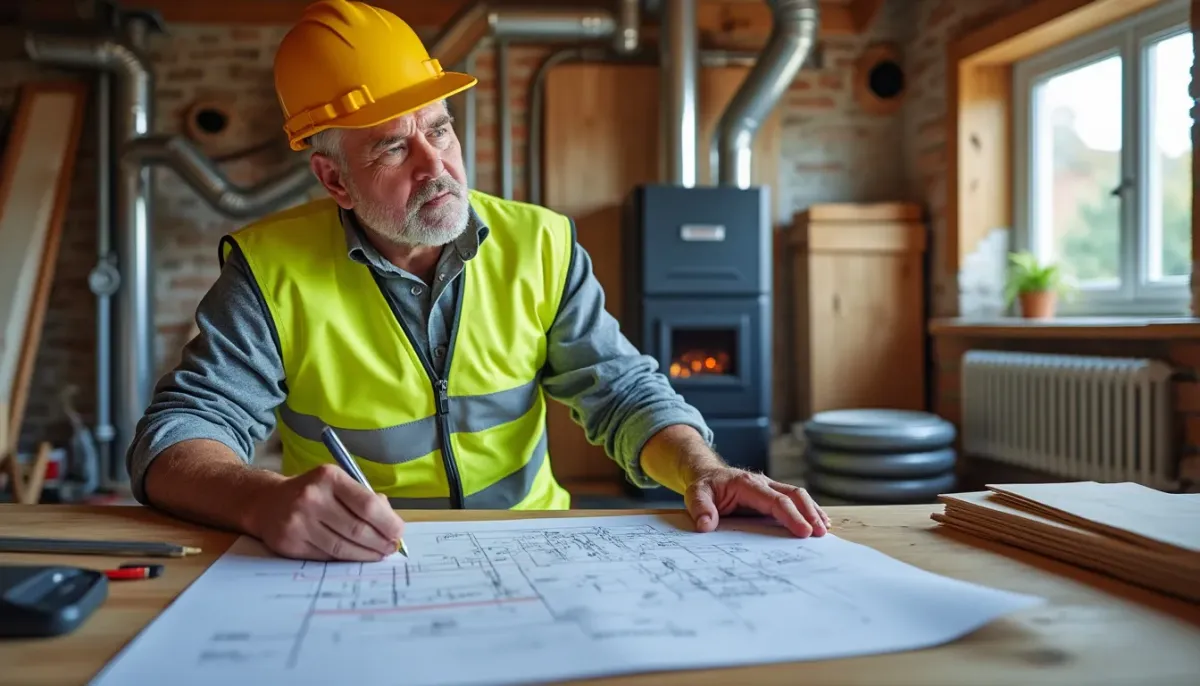
In a world where cost control is vital, estimating heating work is of paramount importance. Whether you are a building professional or a private individual looking to carry out work, it is crucial to establish a balance between the attractiveness of the quote and profitability. To achieve this, I will guide you through the essential checks to adopt during this crucial stage, while providing practical advice to avoid common mistakes.
Importance of estimating heating work
Understanding the value of an accurate heating estimate is fundamental. A well-conducted estimate not only ensures the viability of the project but also guarantees optimal customer satisfaction. To maximize your chances for success, it is essential to anticipate various aspects related to heating, whether they pertain to budget forecasts, materials, or unforeseen circumstances. The question arises: how do you establish a quote that meets the client's requirements while being economically viable? Let's examine together the main mistakes to avoid and the best practices to adopt.
The mistakes to avoid when estimating heating work
Error #1: Being vague in the description of services
To establish an effective quote, it is absolutely necessary to avoid any ambiguity. The quote must clearly reflect the client's expectations. Here are a few tips to achieve this:
List the services in a detailed and precise manner.
Clearly define the boundaries of each task.
Account for the specificities of the intervention site.
Highlight the quality of the chosen materials.
Schedule the work in a way that respects deadlines.
A rigorous approach to describing the services enhances client trust and minimizes misunderstandings.
Error #2: Underestimating necessary resources
In estimating work, evaluating resources is crucial. A poor estimate can lead to costly delays. Here are the elements to consider:
Labor: Evaluate the cost based on the hourly rate multiplied by the estimated number of hours. The rate ranges from €40 to €60 including tax, depending on your location.
Supplies: Take into account the cost of materials, but do not forget to include the rental of necessary equipment.
Travel expenses: Include fixed fees or calculate per kilometer for any trips associated with the site.
It is therefore imperative to carry out a comprehensive estimate of all involved resources to ensure a consistent and controlled heating budget.
Error #3: Neglecting the company's overheads in the estimate
Indirect costs must absolutely be included in your estimate. Indeed, for optimal estimating, it is advisable to base it on the dry costs method which includes:
Item | Cost |
|---|---|
Direct expenses (labor, supplies, etc.) | To be determined |
General expenses (rentals, electricity, insurance) | To be determined |
Profits and contingencies | To be determined |
Not accounting for the company's overheads can skew the actual cost of the work and jeopardize the profitability of your business.
Error #4: Misestimating your margin
Calculate your margin accurately. An imprecise estimate can affect both the attractiveness of the quote and the profitability of the project. Here are some tips:
Use your experience to give meaning to your prices.
Analyze the competition to avoid setting prices out of market.
Utilize pricing libraries to benefit from reliable market cost indications.
Every project is unique, but experience will guide you towards an accurate and competitive estimate.
Error #5: Forgetting the project's specifics
Every site has its own characteristics. A thorough analysis of these specifics can prevent many inconveniences. To achieve this, it is recommended:
To conduct a site visit to better understand technical constraints.
To evaluate the specific needs of each project before submitting your quote.
Neglecting to focus on the specifics of the site can lead to costly unforeseen circumstances during the execution of the work.
Error #6: Not anticipating unforeseen circumstances
Unforeseen events are inevitable. Technical problems, unfavorable weather conditions, unexpected adhesive, all these factors must be considered:
Plan for a margin in your estimate to cover these risks.
Analyze the site beforehand to identify potential complications.
Considering these elements will help you manage your budget better and ensure a good relationship with your clients.
Error #7: Applying an incorrect VAT rate
VAT rates vary depending on the type of heating work. Applying an inappropriate rate can have significant tax consequences:
Type of work | Applicable VAT rate |
|---|---|
Standard work | 20% |
Improvement work (over 2 years) | 10% |
Energy renovation (over 2 years) | 5.5% |
By properly informing yourself about the applicable VAT rates, you will avoid many tax complications.
Error #8: Not using estimating tools
In today's digital era, not using estimating software is a strategic mistake. These tools allow you to create accurate and reliable quotes:
They provide you with an accessible database including updated prices.
They help you calculate your margins automatically.
They save you precious time, essential for focusing on higher value tasks.
By choosing software like Batiprix, you access an effective solution to optimize your heating work estimates.
The essential steps in estimating heating work
Assess your needs precisely
The first step to a successful estimate is to accurately assess the project's needs. This phase should include a thorough analysis of the building's characteristics:
Understand the volume of the rooms to be heated and their uses.
Consider the impact of energy costs in the evaluation of needs.
A precise diagnosis can serve as a solid foundation for developing a realistic quote.
Choose the appropriate equipment
The chosen equipment must be suitable for the identified needs. Here are some criteria to evaluate:
Consider the energy efficiency of the heating systems.
Assess the initial and operational cost of each appliance.
Consider the reliability and durability of the proposed equipment.
This approach will not only optimize the HeatingBudget but also anticipate long-term energy savings.
Plan an appropriate budget
It is imperative to establish a realistic budget for each heating project. This includes:
Energy, taking into account the current prices of each type of fuel.
Installation costs, including labor and materials.
Any available subsidies and financial assistance to reduce the overall cost.
Careful planning will allow you to avoid disillusionment and ensure adherence to the HeatingBudget.
Establish a clear action plan
For the project to proceed under the best conditions, it is crucial to develop a realistic timeline including:
The intervention calendar, taking into account waiting times.
The key stages of the project and the associated stakeholders.
The monitoring methods to ensure quality control of the work.
A well-constructed HeatingPlan promotes the smooth execution of the project and helps minimize unforeseen events.
FAQ
What is the role of a detailed estimate for heating work?
A detailed estimate clearly establishes the services, avoids ambiguities, and strengthens trust between the professional and the client.
How can I reduce the cost of my heating work?
You can reduce your costs by choosing efficient equipment, comparing estimates, and benefiting from available financial assistance.
What are the main criteria to evaluate when selecting a heating system?
The essential criteria include energy efficiency, initial cost, maintenance cost, and the reliability of the chosen appliances.
How to anticipate and manage unforeseen events?
Anticipating unforeseen events involves allowing a margin in the budget and conducting a thorough site inspection prior to the start of work.
What subsidies are available for energy renovation work?
Many subsidies are available, such as tax credits and local aid that vary by region and type of work.