Fall heating restart: the essential steps for a successful commissioning
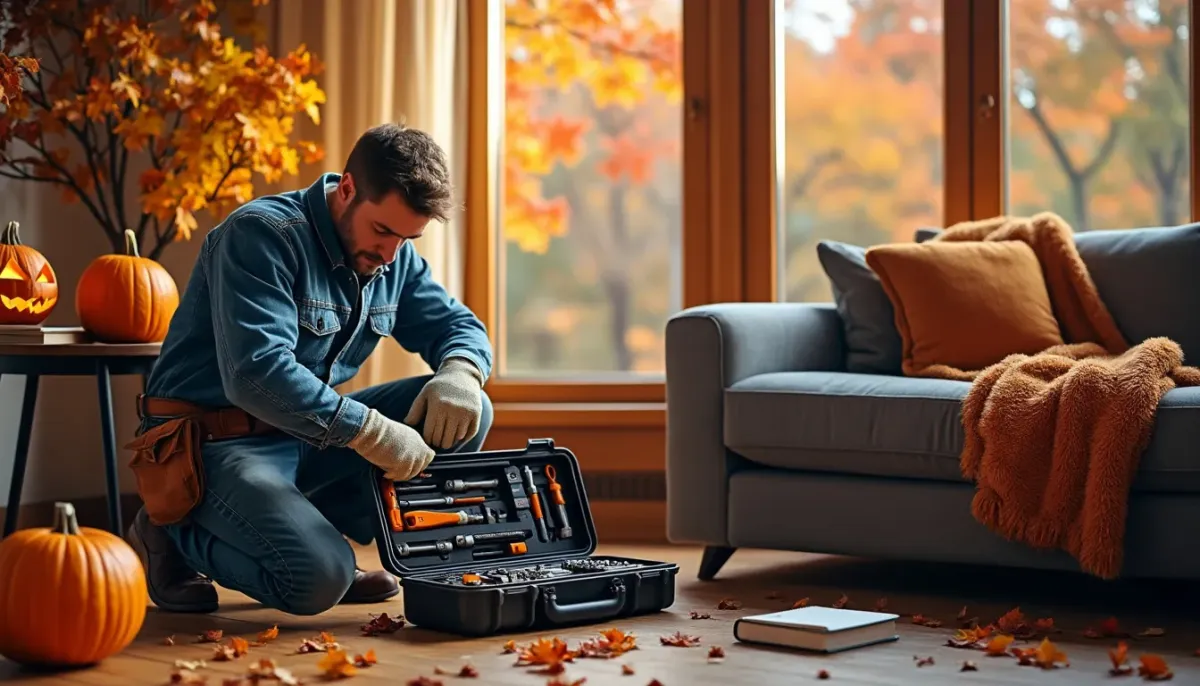
As temperatures begin to drop and leaves change color, it is time to think about starting the heating in condominiums. Every autumn, this crucial question comes back to the forefront of residents' concerns: how to ensure optimal thermal comfort while respecting technical and regulatory constraints? Beyond practicality, it is a question of well-being, health, and energy savings. This article covers the essential steps for a successful restart of collective heating, at this pivotal time of the year.
Starting up collective heating: why good preparation is essential
The start-up of collective heating is not a decision to be taken lightly. A poorly maintained or poorly prepared system can lead to significant inconveniences for residents. Caution is the mother of safety: anticipating and organizing its operation is the key to a peaceful winter season.
Disadvantages of a late start
Waiting until the last moment to activate heating can have detrimental consequences. Here are the main disadvantages of a late start:
Reduced thermal comfort: A late start can leave residents exposed to uncomfortable temperatures, affecting their quality of life.
Technical problems: An untested system can encounter breakdowns, rendering the heating inoperative when it is most needed.
Additional costs: Emergency repairs can incur significant expenses, burdening the condominium budget.
Regulatory requirements to be met
In France, the regulations regarding the starting up of collective heating are quite flexible but subject to the approval of the condominium. Activation dates are often set by the internal regulations, without precise legal obligation. In 2025, it is recommended to keep the provisional dates in mind:
Date | Event |
|---|---|
October 15, 2024 | Starting up heating |
April 15, 2025 | Stopping heating |
It is essential to remain vigilant about weather conditions, which may justify an adjustment of these dates. Therefore, consider anticipating the discussion with the property manager to establish an adapted schedule.
How to prepare the restart of your collective heating
Effectively preparing the restart of heating requires meticulous organization. Here are the key steps to follow to ensure a smooth start-up.
1. Checking existing installations
Before any start-up, it is crucial to carry out a detailed check of the heating installations. This includes:
Boiler inspection: Check their proper functioning and the need for maintenance.
Control of circuits: Ensure that pipes and radiators do not have leaks.
Thermostat examination: Check that they are operational and properly adjusted for optimal comfort.
2. Informing residents
Good communication is essential for effective start-up. Here’s how to proceed:
Information meetings: Organize a meeting to discuss the restart dates and potential improvements to be made.
Creation of explanatory brochures: Provide instructions on adjustments to make for optimizing individual comfort.
Open communication channel: Set up a direct contact means with the property manager to report any problems.
3. Anticipating energy needs
Planning for energy needs is essential to avoid surprises. How to proceed?
Consumption history: Analyze bills from recent years to anticipate demand.
Assessment of equipment: Consider more efficient solutions, such as thermostatic valves, which optimize energy consumption and ensure climatic comfort.
Commitment to Green Energy: Consider less energy-consuming systems, such as condensing boilers or solar panels.
4. Choosing a reliable heating company
Finally, choosing the right heating service is a decisive step. Here are some criteria to consider:
Reputation: Opt for a Service Heating Pro recognized in your area.
Certification: Check that the company has the necessary accreditations to guarantee quality work.
Detailed quotes: Request several quotes to foster competition while ensuring fair prices.
Residents' rights and the management of heating issues
A good start-up also involves knowing the rights of residents regarding heating. In case of inconvenience, here’s what you need to know.
Temperature requirements
It is imperative that the heating system provides a regulatory temperature to ensure the well-being of occupants. The standards stipulate that a temperature between 18°C and 19°C must be reached. In case of non-compliance, residents have several recourses:
Request for verification: A resident may request that a temperature check is performed.
Report to the property manager: In case of persistent problems, it is necessary to inform the property manager, who is the only one authorized to contact the heating technician.
Legal assistance: If no solution is found, legal recourse may be considered.
Temporary solutions in case of problems
If the temperature is insufficient but the heating is working, residents can turn to supplemental solutions:
Supplemental heating: Occasional use of electric or gas heaters. These solutions should remain temporary to avoid energy issues.
Insulation: Strengthen the insulation of windows and doors to reduce heat loss.
Behavioral adaptation: Consider wearing warm clothing or using blankets to compensate for temperature variations.
Summary table of residents' rights regarding heating
Right | Description |
|---|---|
Temperature verification | Right to request a temperature check in the apartment. |
Regulatory compliance | Heating must comply with the temperature standards defined by law. |
Report a malfunction | Ability to report a malfunction through the property manager. |
Towards a sustainable and responsible heating solution
As the energy requirements of our society evolve, it is essential to turn to sustainable solutions. Collective heating, in particular, must be reconsidered to ensure not only the comfort of residents but also respect for the environment.
The importance of energy efficiency
Adopting responsible practices regarding heating has become essential. Here are some tips to improve the energy efficiency of your system:
Energy audit: Conduct energy assessments to identify weaknesses in the current system and develop an action plan.
Renovation and modernization: Invest in modern boilers, radiators, and thermostats.
Monitoring consumption: Use energy consumption tracking systems to adjust usage.
Available financial aids
To facilitate the transition to an eco-responsible heating system, several financial aids can be requested. Here are some of them:
Tax credit for energy transition (CITE): Allows deducting part of the expenses related to improving energy performance.
Zero-interest eco-loan: Financing for energy works with no interest.
Local aids: Many local authorities offer grants for improving the energy efficiency of buildings.
The benefits of sustainable solutions
Investing in ecological heating systems is not just an ethical choice, but also a financial opportunity. By opting for solutions such as solar heating, you can:
Reduce your energy bills: Efficient systems lower expenses while maintaining optimal comfort.
Increase the value of your property: Energy improvements significantly increase the value of your real estate.
Contribute to environmental protection: A high-performing system reduces the carbon footprint of your building.
FAQ
What is the minimum regulatory temperature for heating in condominiums?
The temperature must be between 18°C and 19°C to comply with legal standards.
What to do in case of heating failure?
Contact the property manager immediately, who is the only one authorized to involve the heating technician. In the meantime, consider temporary solutions.
What financial aids are available to improve heating?
There is the tax credit for energy transition (CITE), zero-interest eco-loans, and specific local aids. Inquire with the relevant authorities for more details.
How to ensure proper functioning of the collective heating system?
Regularly perform maintenance and technical checks, and stay informed about residents' feedback to detect any anomalies quickly.
Is it possible to anticipate the start-up of collective heating?
Yes, in case of a significant drop in temperatures, a collective request can be made to the property manager for an early activation of heating.