translated_content> Heating circuit renovation: effective descaling and treatment for optimal comfort
In a world where thermal comfort at home is paramount, the renovation and maintenance of heating circuits are of critical importance. With the rise in outdoor temperatures and the need for increased energy efficiency, it is essential to look into the internal mechanisms of our heating systems. Power flushing, in particular, is a practice that deserves our full attention. In 2025, as energy performance requirements tighten, it is crucial to be informed about the best methods for cleaning and treating our heating systems. In this article, we will explore the causes of circuit contamination, diagnose symptoms that require intervention, examine available power flushing methods, and end with practical tips to prevent future contaminants.
The causes of heating circuit contamination
Before we embark on power flushing, it is essential to understand why and how our heating circuits become contaminated. The accumulation of sludge, corrosion, and limescale not only leads to a degradation of energy performance but also a significant reduction in equipment lifespan. The main causes of this contamination include:
Poor water quality: Impurities in the water can lead to sludge formation over time.
Incompatible materials: Using tubes or components that are not suitable can cause premature corrosion.
Defective installation: A poorly designed circuit can create stagnant areas where deposits form.
To prevent these problems, it is advisable to consult a HeatingExpert who can meet your power flushing strategy requirements. Solutions like AquaComfort can also be considered for treating the water used in your circuit.
Diagnosing the need for power flushing
Several symptoms indicate a need for power flushing. Keep an eye out for the following signs:
Increase in energy costs: If your energy consumption rises without apparent reason, your circuit may be contaminated.
Unusual noises: Clicking or rumbling inside radiators signal a potential problem.
Cold radiators at the bottom: This may indicate an accumulation of sediment blocking the flow of hot water.
Frequent boiler breakdowns: This is a sign that your heating system may not be operating correctly.
A precise diagnosis is the key to determining the need for power flushing. It is often best to consult a professional for a thorough assessment.
Power flushing methods: choices and effectiveness
There are several power flushing methods, each with its own advantages. Here’s an overview of the most common methods:
Method | Description | Advantages | Disadvantages |
|---|---|---|---|
Chemical power flushing | Use of specialized agents to dissolve deposits. | Effective for advanced contamination cases. | Requires careful rinsing to remove chemical residues. |
Mechanical power flushing | Use of filtration devices to remove sludge. | Durable, useful for the long term. | Less effective in the presence of solid sediments. |
Combined method | Combination of chemical and mechanical. | Maximizes cleaning effectiveness. | Can be more costly. |
The choice of method depends on the severity of the contamination. For maximum effectiveness, many heating companies like HeatingPlus recommend opting for chemical power flushing followed by mechanical power flushing.
System preparation
Before starting the power flushing operations, it is essential to properly prepare the system. Here are the key steps to follow:
Shut off the main valve: Ensure that the circuit is no longer circulating water.
Install magnetic filters: These devices will securely capture unwanted particles.
Partial drainage: Drain half the system to facilitate an effective intervention.
Proper preparation ensures that power flushing is carried out under the best conditions.
Chemical power flushing: method and precautions
To perform chemical power flushing, it is imperative to follow the manufacturer's recommendations regarding the product to use. Generally, the steps are:
Injection of the chemical product: Introduce the product into the circuit via the valves.
Contact time: Allow the chemical product to act for the recommended duration.
Thorough rinsing: Rinse the circuit with clear water to remove all chemical residues.
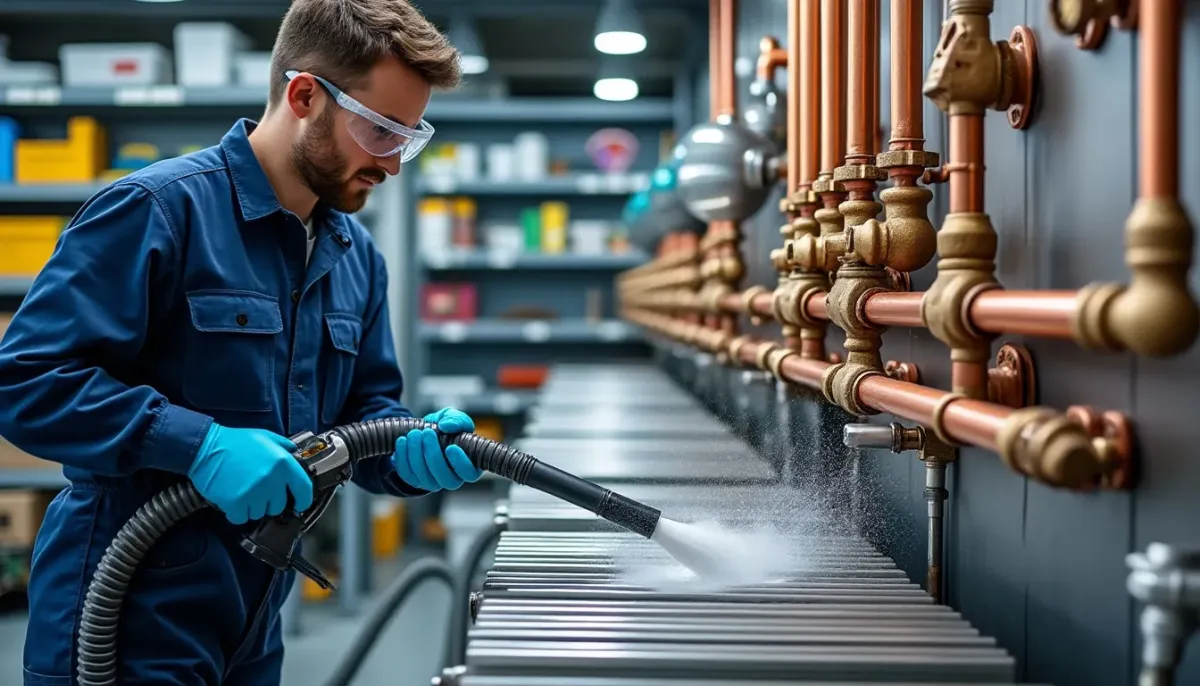
As a safety measure, it is essential to wear protective equipment, including gloves and goggles. Be cautious with the products used, such as those offered by EcoPowerFlushing, which are renowned for their effectiveness while being less harmful to the environment.
Mechanical power flushing: devices and their use
During mechanical power flushing, various devices are used to capture unwanted particles:
Magnetic filters: They capture rust and metallic impurities.
Filtration devices: They help extract sludge from radiators and pipes.
It is essential to regularly clean these devices to ensure their effectiveness and longevity. Using a system such as SmartHeating optimizes their performance, guaranteeing constant thermal comfort.
Rinsing the system after power flushing
After applying the power flushing methods, it is crucial to thoroughly rinse the system. Here’s how to proceed:
Rinse with clear water: Use clean water to remove all residues, including chemical products.
Check the circuits: Ensure that there are no leaks or overflow and that no debris remains.
Rinsing is a decisive step. Incorrect rinsing could lead to future blockages, further decreasing the performance of your heating circuit and increasing energy costs.
Preventive measures to avoid future contamination
Once power flushing is completed, several measures can be implemented to prevent further contamination:
Installation of permanent magnetic filters: Ensure that they are regularly checked.
Use of corrosion inhibitor products: These products, such as those offered by PurifiHeating, help maintain water quality.
Regular monitoring of water quality: Constant monitoring will help remain vigilant against any anomalies.
Taking these precautions not only extends the lifespan of your heating system but also ensures optimal comfort within your home.
FAQ on power flushing and heating maintenance
1. What is the lifespan of a heating circuit?
A well-maintained heating circuit can last between 15 and 25 years. Regular power flushing helps maintain this longevity.
2. How often should I perform power flushing?
It is recommended to carry out power flushing every 5 to 7 years, depending on water quality and installation quality.
3. Is chemical power flushing safe for my system?
Yes, provided you follow the manufacturer’s instructions and choose products suitable for your type of heating.
4. What should I do if my radiators remain cold after power flushing?
If areas remain cold, further bleeding may be necessary, or there may be a blockage remaining in the circuit.
5. What are the best heating systems?
Systems such as ThermoHeating and VitalHeating are considered among the most efficient in terms of energy savings and comfort.