Heating consumption for a 100m2 house: calculations and practical advice for 2025.
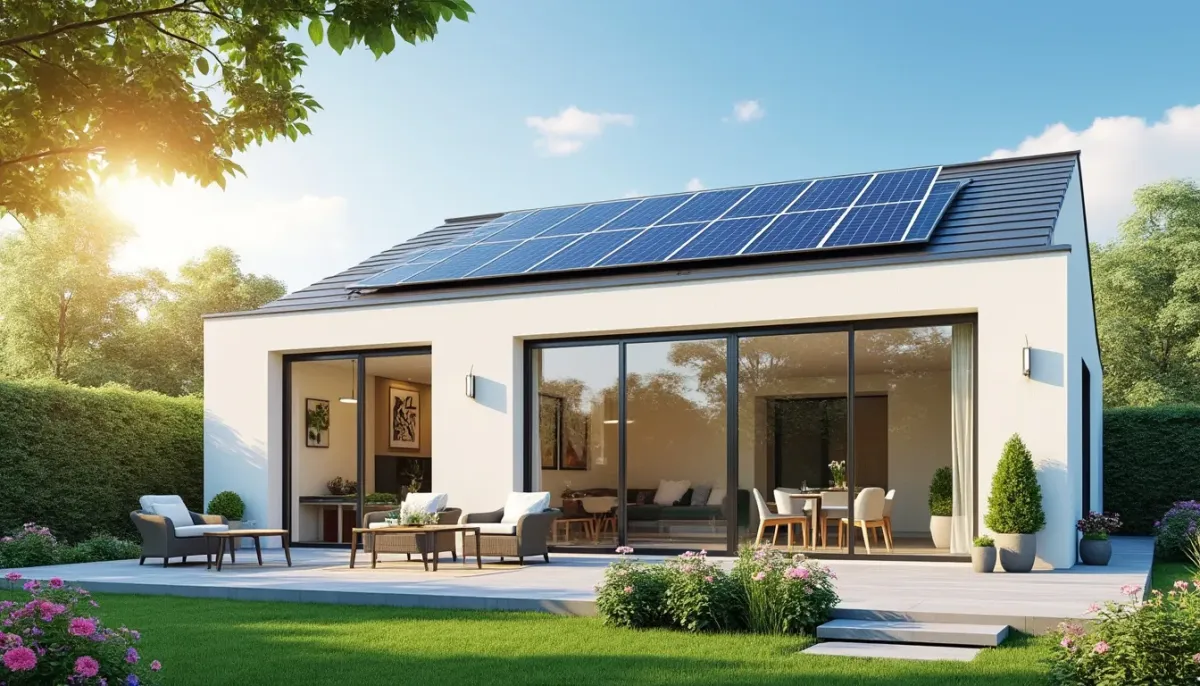
In the energy landscape of 2025, a fundamental question arises for French households: how to optimize heating consumption in a context of rising heating technologies and falling electricity rates? Keeping in mind the heating needs of a typical 100m² house, let’s examine the necessary calculations and effective strategies for reducing energy bills while ensuring the comfort of residents. This article aims to enlighten homeowners on wise heating choices and guide them through the available financial aids.
Understanding the heating consumption of a 100 m² house
Before addressing specific calculations, it is crucial to understand the various elements that influence heating consumption. For an average-sized house like the one of 100m², many factors come into play:
Type of heating: What system is installed? Electric, gas, heat pump? Each has its own consumption characteristics.
Insulation: The energy efficiency of the house is improved by good thermal insulation. The better the walls and roof are insulated, the less heating will be needed.
Occupant behavior: The lifestyle habits of the residents play a major role. The thermostat setting, for example, has a direct impact on consumption.
For this type of household, the annual heating consumption can vary between 13,000 and 18,000 kWh.
Evaluate the electric heating consumption in 2025
Due to the significant decrease in regulated electricity rates expected on February 1, 2025, it is timely to recalculate the associated expenses. Indeed, the price of kWh will drop from €0.2516 to €0.2016. For a 100 m² house, which uses a power of 6 kVA and an estimated consumption of 14,000 kWh per year, here is a summary table of the revised costs:
Year | Price per kWh (€) | Consumption (kWh) | Annual Cost (€) |
|---|---|---|---|
2024 | 0.2516 | 14,000 | 3,521.00 |
2025 | 0.2016 | 14,000 | 2,830.40 |
This substantial decrease in rates, which represents a saving of nearly €700 per year, is excellent news for a household of four living in a 100 m² house. Other major market players, such as Engie and TotalEnergies, also offer tailored solutions that deserve exploration for further cost optimization.
Choosing heating systems for a 100 m² house
With the variety of options available, it is essential to choose the heating system that best suits your needs and budget. Here is an overview of the most effective methods:
Electric heating: Ideal for well-insulated houses, this system can be optimized by using efficient appliances.
Heat pumps: They use energy from the air or ground to heat your home economically. A higher initial investment, but savings in the long term.
Gas heating: One of the traditional choices that remains popular, especially for households equipped with condensing boilers.
Wood pellet heating: An eco-friendly solution that offers good energy efficiency.
It is also possible to combine these heaters with other technologies, such as solar panels to generate electricity and further reduce the bill.
The role of insulation in energy consumption
*Insulation* plays a crucial role in the energy performance of a house. Good insulation helps reduce heating and cooling needs, resulting in savings on energy bills. In 2025, investing in high-quality insulation materials is essential.
Here are some tips to improve your home's insulation:
Check the air tightness of windows and doors.
Finalize the inspection of your attic insulation.
Consider insulating panels for exterior walls.
Install insulating curtains to prevent heat from escaping in winter.
Financial aids available for energy renovation
In 2025, a wide range of financial aids is available for homeowners wishing to renovate their heating systems or improve their home’s insulation.
MaPrimeRénov': Aid provided by the State to encourage energy renovation work.
Zero-interest eco-loan: A financing solution that allows borrowing without interest for renovation work.
Local aids: Many municipalities and regions offer specific aids to encourage shifts to more sustainable heating systems.
CERT and other energy bonuses: These bonuses aim to improve the energy efficiency of housing.
It is essential to evaluate these available aids to reduce the costs of renovation and upgrading projects. As an expert in plumbing and energy renovations, I advise you to contact tax organizations for personalized advice on the aids you may qualify for.
Calculating potential savings through financial aids
To give you a clear idea of the financial impact of the aids, here’s a small calculation based on a heating renovation project for a 100 m² house:
Type of project | Total cost (€) | Estimated financial aid (€) | Final cost after aid (€) |
|---|---|---|---|
Installation of a heat pump | 8,000 | 2,500 | 5,500 |
Attic insulation work | 4,000 | 1,000 | 3,000 |
Replacement of gas boiler | 6,000 | 1,800 | 4,200 |
Practical tips for reducing energy consumption
Beyond investing in efficient heating systems, simple daily gestures can also contribute to reducing energy consumption. Here are some good practices:
Set the thermostat: A temperature of 19°C in the bedrooms and 21°C in living spaces is generally recommended.
Close the curtains: At night, this helps retain heat.
Ventilate efficiently: Ventilating the house allows for air renewal without losing too much heat.
Regular maintenance: Call on a professional to keep your heating system in good working order.
Adopting these eco-friendly practices breaks the cycle of excessive energy consumption and contributes to preserving our environment while easing energy bills.
FAQ on heating consumption
What are the electricity rates for 2025?
Starting February 1, 2025, the kWh rate will drop from €0.2516 to €0.2016, thus providing a significant cost reduction for households connected to EDF.
How to choose the best heating system?
The choice of heating system depends on several factors, such as the building type, area, budget, and environmental impacts. A thermal study may be beneficial.
What financial aids exist to improve energy efficiency?
Diverse aids are available, including MaPrimeRénov’, zero-interest eco-loan, and local bonuses to encourage energy renovations.
What is the importance of insulation in a house?
Good insulation reduces heat loss and significantly decreases heating needs, thus allowing substantial financial savings.
What are the good practices for saving energy?
Adjusting the thermostat, regularly maintaining heating systems, and using insulating curtains are some simple measures that can make a big difference in your energy bill.