Heating in an insulated house: solutions without connection to the network
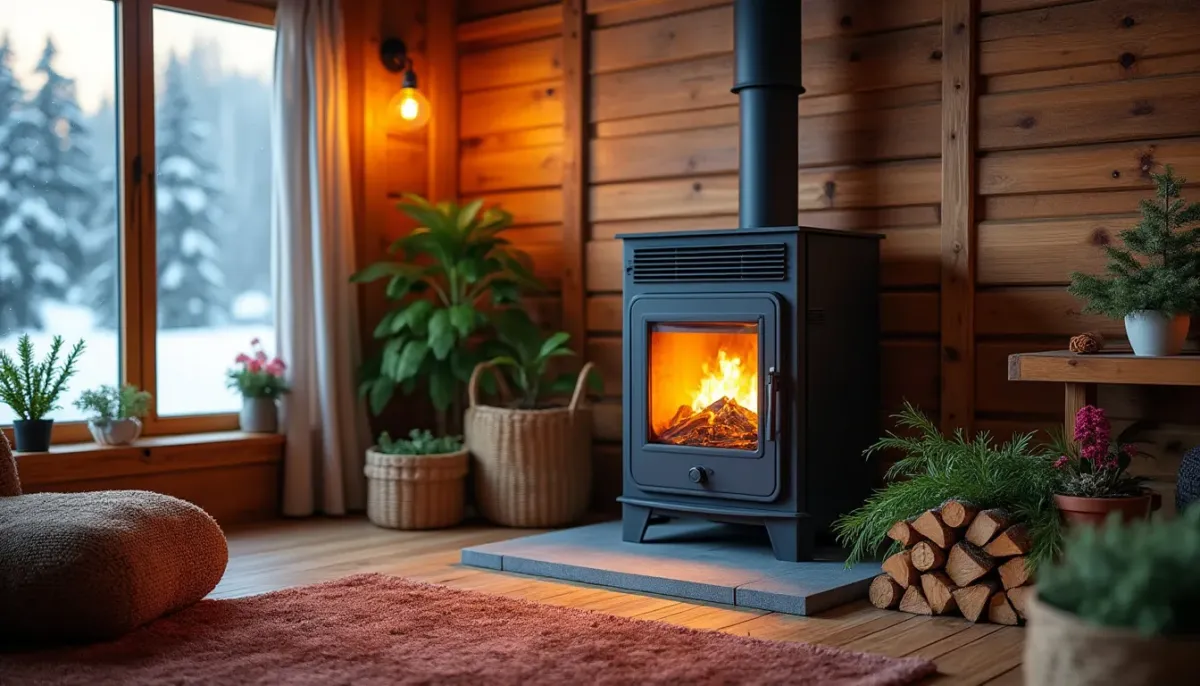
In an increasingly energy-autonomous world, the question of heating in a standalone house without connection to the electrical grid is of paramount importance. If you dream of an autonomous dwelling, there are innovative solutions that not only meet your energy needs but also reduce your ecological footprint. This article presents the different options available to heat your home while enjoying the benefits of renewable energy, particularly through photovoltaic panel heating systems.
Why choose autonomous heating for a standalone house?
Choosing an autonomous heating system for a standalone house offers numerous advantages. Indeed, it allows you to:
Reduce energy bills: By producing your own energy, you decrease your expenses related to electricity and heating.
Become independent: You are no longer dependent on the fluctuations of the energy market or power outages.
Contribute to environmental protection: By opting for renewable energies, you reduce your carbon footprint.
With the new technologies available, even the most isolated houses can benefit from optimal comfort through intelligent and adapted solutions. Let’s examine these off-grid solutions in detail.
Autonomous heating systems: what options?
There are several solutions to heat a house without being connected to the electrical grid. Each of them has its specifics. Here’s an overview of the main options available:
Photovoltaic panels
Photovoltaic panels are undoubtedly the most favored solution for producing energy in a standalone house. Here’s how they work:
They capture sunlight and convert it into electricity.
The electricity produced can be used directly to power electrical devices or stored in batteries.
During the day, when production is at its peak, you can use this energy for your heating system and other household needs.
To ensure optimal operation of the panels, it is essential to size them correctly according to your energy needs. This also includes installing a inverter to convert direct current into alternating current usable by your appliances.
Energy storage systems
To guarantee complete autonomy, it is crucial to integrate an energy storage system. You will need:
Type of storage | Advantages | Disadvantages |
|---|---|---|
Lithium batteries | Long lifespan and efficiency | High initial cost |
Lead-acid batteries | Lower cost | Shorter lifespan and regular maintenance required |
Flywheels | Reliability | Expensive and less common technology |
Batteries will allow you to store excess energy produced during the day for use at night or on cloudy days.
Wood and pellet heating
Another effective heating method is wood heating, especially with efficient devices such as wood stoves and pellet boilers. Here are the reasons why this option is becoming increasingly popular:
Renewable resource: Wood is a renewable energy source if well managed.
Low operating costs: Depending on local supply, wood heating can be more economical than other fuels.
Comfortable heat: Modern devices offer exceptional thermal comfort.
Solar thermal heating
Solar thermal heating systems use collectors to direct heat directly to the water you use for heating or hot water production. This solution is ideal for:
Producing domestic hot water.
Completing a more traditional heating system.
Although less well-known than photovoltaic panels, thermal systems are an excellent option for optimizing your resources.
How to choose your heating system?
The choice of a heating system for a standalone house requires careful consideration. Here are some key criteria to take into account:
Assess your energy needs: Take stock of your electrical and thermal consumption.
Consider the size of your dwelling: This will influence the type of system to prioritize.
Take location into account: Sun exposure and the availability of local resources are crucial factors.
It may be advantageous to combine several systems to maximize energy efficiency and supply security. For example, pairing photovoltaic panels with wood heating can offer unparalleled comfort in all seasons.
FAQ
What are the advantages of wood heating compared to photovoltaic panels?
Wood heating is often less dependent on weather conditions, as it provides consistent heat even on cloudy days. Moreover, it utilizes a renewable resource.
How to size a photovoltaic installation for a standalone house?
To size your installation, it is essential to know your daily electricity consumption and add a safety margin to anticipate periods of low production.
Are financial aids available for the purchase of autonomous heating systems?
Yes, several financial aids may be available depending on your region and the type of system you wish to install. Inquire about grants, tax credits, or interest-free loans.
Is solar thermal heating effective in winter?
Yes, solar thermal heating systems can operate in winter; however, their efficiency depends on sunlight and outdoor temperatures. Storage systems can enhance their performance during cold periods.
Is it necessary to have batteries for an off-grid solar system?
Yes, batteries are essential to store the electricity produced during the day so that it can be used at night or on cloudy days.