Heating in rural areas: what alternatives to oil and gas?
5 min read
In a context where the energy transition is at the heart of concerns, rural households face a significant challenge: how to heat efficiently without resorting to traditional oil boilers, which will soon be banned, or natural gas, whose installations may be limited in certain regions? In 2025, following a government decree, the installation of new oil heating systems will be prohibited in new homes and during renovations. Therefore, it is crucial to inform oneself about sustainable and less polluting alternatives that not only meet regulatory requirements but also ensure long-term thermal comfort. In this article, we will explore various heating options available, financial aids accessible, and some practical tips for successfully making this transition.
Alternatives to oil and gas: a range of solutions
In response to new government directives and the climate emergency, heating solutions are diversifying, bringing new breath to rural households. In 2025, different alternatives will be added to our panel of choices, each displaying its advantages and specificities.
Wood heating: a sustainable option
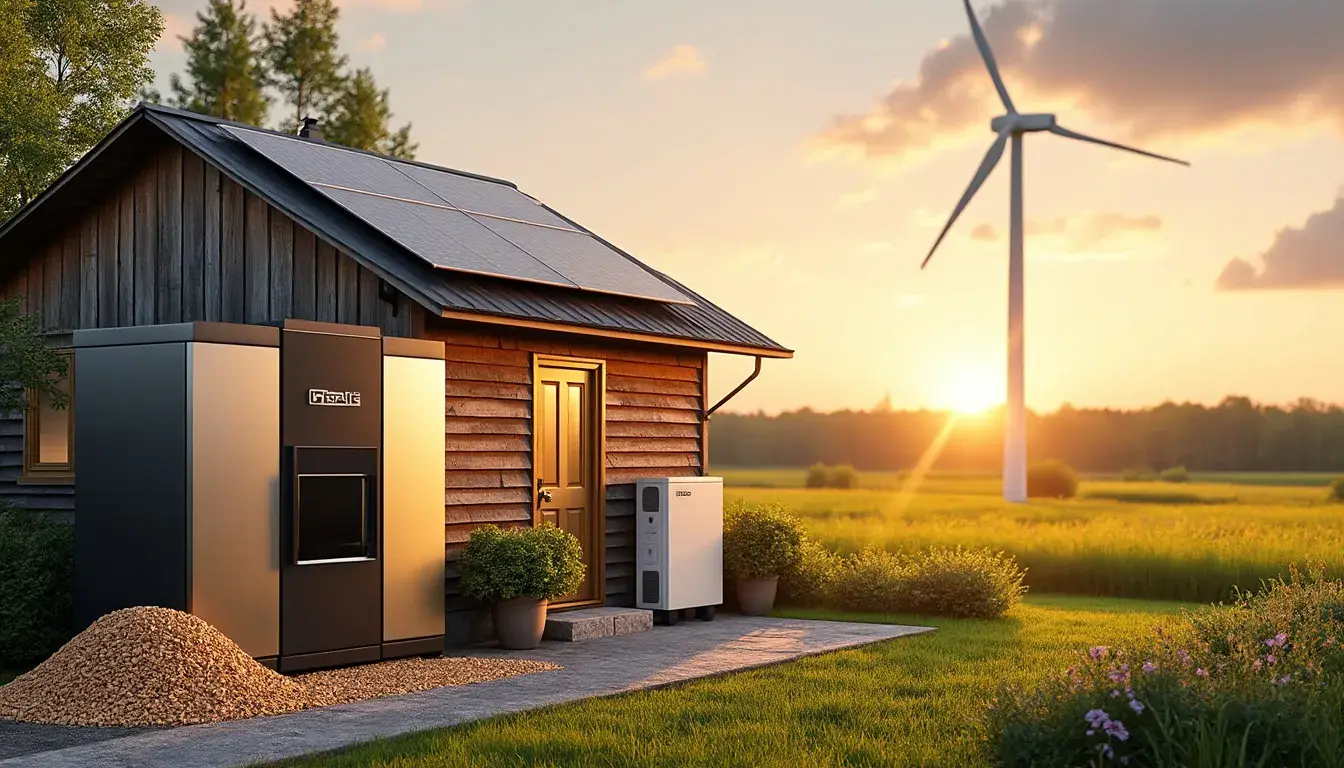
Wood heating is increasingly seen as a preferred alternative, especially in rural areas where resources can be directly available. From wood stoves to pellet boilers, this solution is not only renewable but also economically advantageous in the long run. Moreover, firewood is often cheaper than oil, and it will be less subjected to price fluctuations.
Pellet boilers, such as those from well-known brands like Viessmann or De Dietrich, offer high efficiency and user comfort. These devices are designed to optimize combustion and reduce CO2 emissions. The installation of thermal regulation cycles also enhances efficiency, making this option particularly attractive for households wishing to reduce their carbon footprint.
Electric systems: heat pumps and solar heating
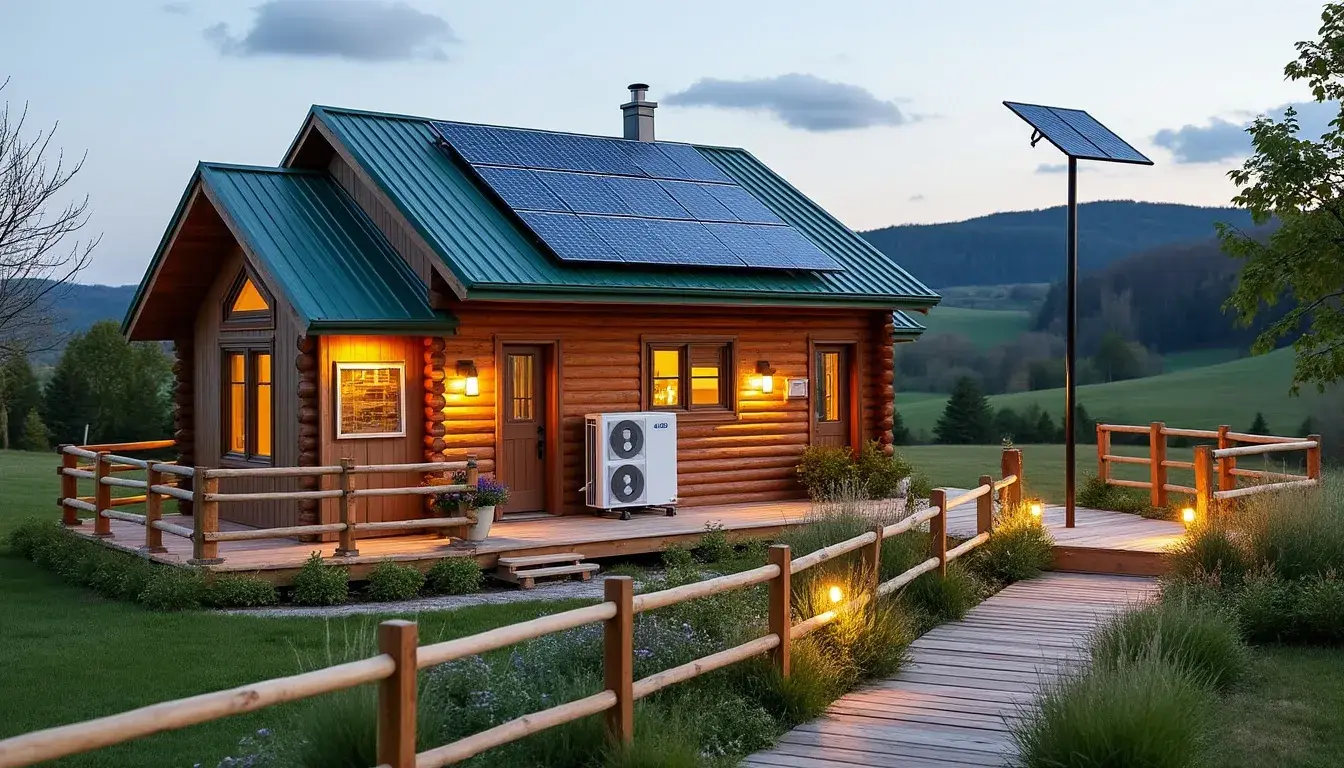
Another sector experiencing considerable growth is electric heating. Heat pumps, in particular, exploit natural resources from air, water, or ground to produce heat. Companies such as Ecosolar and Soleil Vert offer efficient and environmentally friendly installations. Geothermal and aerothermal heat pumps provide substantial thermal power while remaining energy efficient.
Furthermore, solar heating represents both an innovative and ecological alternative. Thermal solar panels convert solar energy into heat for your home and for the production of hot sanitary water. Due to the intermittent nature of energy, these systems are often paired with an electric backup to ensure a constant supply.
Biofuel: a possible transition
For those wishing to stay with oil boilers without giving up environmental impact, biofuel, such as F30 which contains 30% rapeseed oil, proves to be an interesting solution. This biocombustible allows compliance with new regulations while ensuring continuity in supply. Additionally, simple modifications, like changing the burner, can allow the existing infrastructure to be retained while integrating a viable ecologically friendly system.
District heating: a collective solution
Finally, in some regions where access to individual connections is problematic, district heating networks present an advantageous collective option. These centralized systems distribute heat from a single, often renewable, source to multiple households, thereby reducing installation and maintenance costs. However, this solution requires a significant initial investment and coordination with local authorities for implementation.
Financial aids for the energy transition
To support households in this transition, several financial aids are offered by the State and private organizations. In 2025, it is essential to gather information on these schemes to optimize investments:
MaPrimeRénov’: This aid aims to encourage energy renovation work and is available to all households, regardless of their income.
Coup de pouce chauffage: This program includes aid for households changing to less polluting heating equipment.
Regional aids: Many regions offer additional subsidies to help finance ecological equipment.
Tax credit: Installation work for renewable heating systems may benefit from a tax credit on income.
Aid | Conditions | Amount |
|---|---|---|
MaPrimeRénov’ | Open to all households | Variable depending on the type of equipment installed |
Coup de pouce chauffage | Change to less polluting equipment | Capped depending on the project |
Regional aids | Conditions dependent on the regions | Variable by scheme |
Tax credit | Energy renovation | Up to 30% |
In addition, large companies such as Engie and EDF also offer advice to optimize your installations and access these aids, making the transition process smoother and more accessible.
Optimizing your heating: practical tips
Once you have established your heating system choice, it is essential to ensure its optimization for maximum efficiency. Here are some practical tips that I share with my clients:
Conduct an energy audit: This helps to assess heat losses and identify improvement points in your home.
Install a smart thermostat: This will help you manage your consumption by optimizing the system's operation.
Invest in insulation: Good thermal insulation is essential to limit energy consumption.
Regularly maintain your equipment: Proactive professional maintenance ensures the longevity and efficiency of your heating system.
Tip | Advantages |
|---|---|
Energy audit | Identification of heat losses |
Smart thermostat | Optimized consumption management |
Insulation | Reduced energy consumption |
Maintenance | Ensured longevity of equipment |
These actions should not only be seen as expenses but rather as investments since they will guarantee savings in the long run.
The energy transition in rural areas: issues and perspectives
The transition to environmentally friendly heating solutions in rural areas presents not only a challenge but also a tremendous opportunity. The French energy landscape is evolving towards more sustainable models, and rural areas, often distant from major networks, must find their place in this dynamic.
Perspectives are encouraging, especially with the growing involvement of actors such as Thermador, offering solutions tailored to rural needs. Awareness initiatives, sometimes orchestrated by local authorities, highlight good practices and raise awareness of environmental issues. Education and information will be determining factors in supporting users through this transition.
New heating systems must also be accompanied by a comprehensive reflection on the energy autonomy of regions. Opting for local renewable energies primarily promotes a short circuit and a sustainable economic model.
Making energy savings and reducing one's carbon footprint while maintaining life comfort is now within everyone's reach. The support of various economic actors, political leaders, and companies in the sector, united around the common goal of greener energy, is a valuable dynamic for rural households.
FAQ
What are the alternatives to oil heating?
Alternatives include wood heating, electric systems like heat pumps, solar heating, and also biofuel.
What financial aids are available for changing heating system?
Why is it important to optimize your heating system?
Optimizing your heating system improves energy efficiency, reduces heating costs, and prolongs the lifespan of the equipment.
Which companies offer heating solutions adapted to rural areas?
Several companies, such as Viessmann, De Dietrich, and Thermador, provide systems specifically designed to meet the needs of rural areas.
How to conduct an energy audit?
An energy audit can be conducted by a certified professional who will assess the thermal performances of your home and suggest improvement paths.