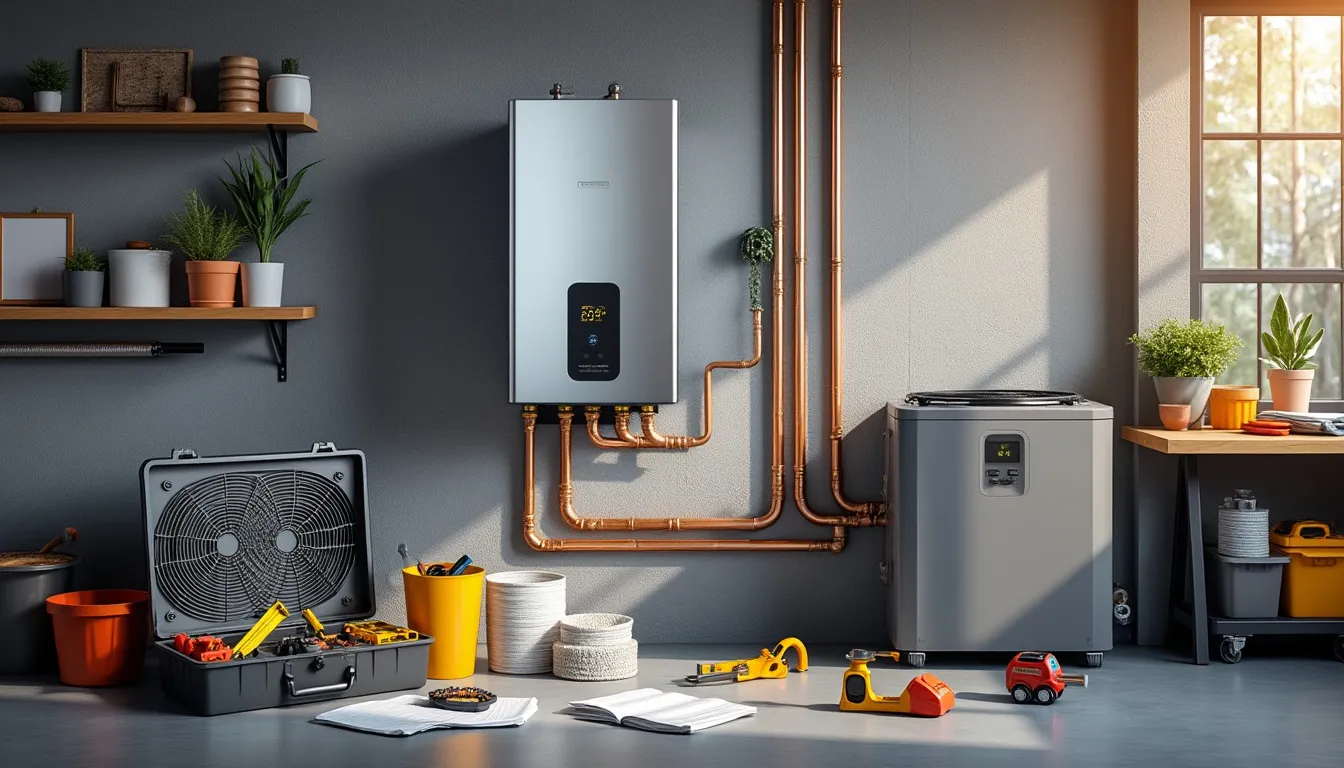
How to effectively size a hot water tank with a heat pump?
4 min read
In a context where rising electricity prices and environmental concerns are at the heart of discussions, the choice of water heating system should not be taken lightly. Furthermore, with the rise of technologies such as heat pumps, it is essential to adequately assess your hot water needs. This article aims to explore the various methods for effectively sizing a hot water tank while considering the specificities of each household, all while integrating the importance of insulation to achieve significant energy savings.
The importance of sizing the hot water tank
The correct sizing of a hot water tank is crucial to ensure optimal efficiency and constant comfort. Indeed, a device that is too small will lead to waiting periods for hot water, while an oversized model will result in energy waste, the consequences of which can manifest as higher bills. In 2025, as the demands for sustainable energy become increasingly pressing, proper sizing must integrate a variety of parameters.
Assessing hot water needs
To properly size a hot water tank, it is vital to estimate your household's hot water consumption. Here are some factors to consider:
Number of people living in the household.
Daily usage: showering, dishwashing, laundry, etc.
Consumption times: busy mornings versus evenings.
Desired temperature of hot water.
Each liter of hot water consumed replaces cold water in the tank, which can influence the size of the tank to be installed. Generally, it is recommended to have about 50 liters of hot water per person for comfortable use.
Available hot water tank options
The market offers various types of hot water tanks, suited to diverse needs. Among the renowned brands, we find:
Thermor
Atlantic
Rheem
Ferroli
De Dietrich
When choosing a model, consider not only the capacity but also the type of technology, whether it is electric, thermodynamic, or solar.
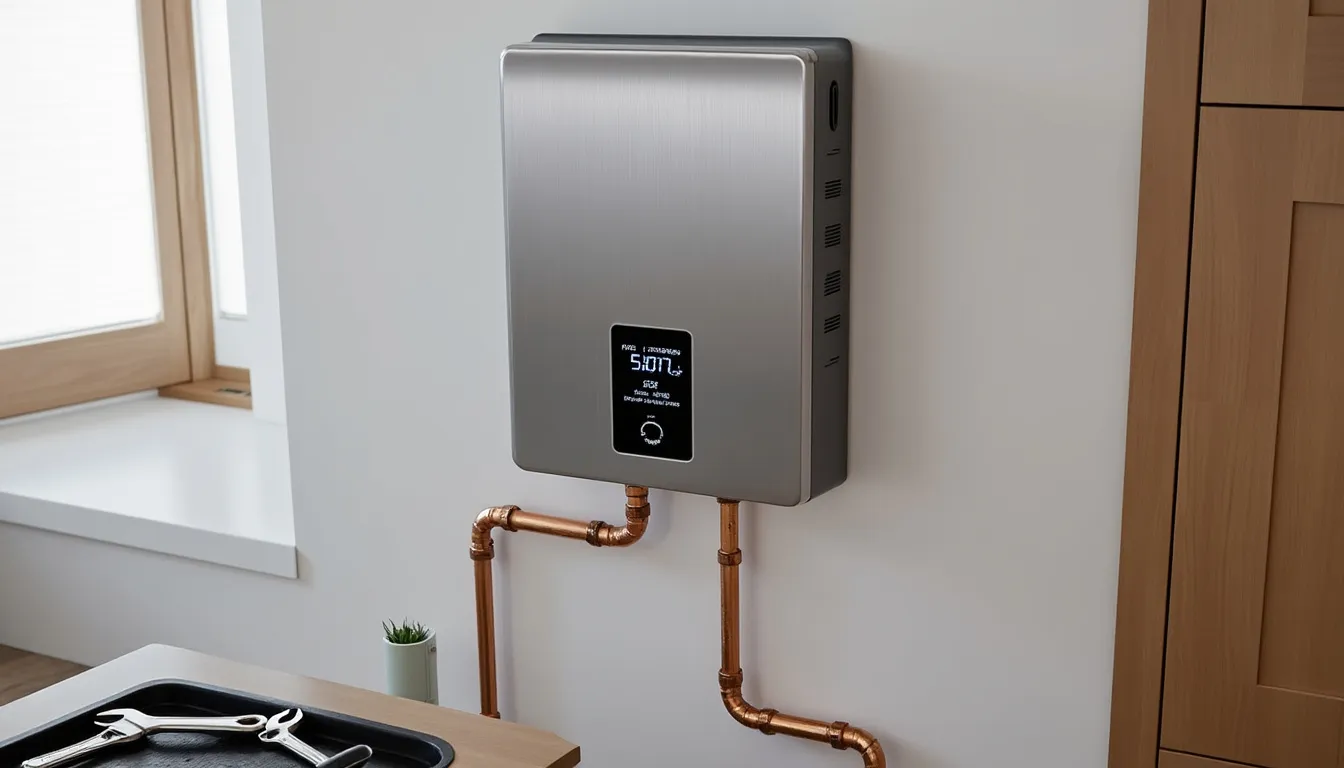
The benefits of insulating the hot water tank
An often overlooked aspect when choosing a hot water tank is its insulation. The energy performance of your device largely depends on its ability to maintain heat, which is particularly important for thermodynamic tanks.
Why insulate your hot water tank?
According to recent studies, a hot water tank can lose up to 20% of its heat through uncontrolled losses. By insulating your device, you reduce these losses and can achieve significant savings on your electricity bill. Here are some notable advantages:
Improvement in the lifespan of the device.
Better domestic comfort with readily available hot water.
Modern hot water tanks come with an integrated thermal envelope, but it may be wise to add an insulating layer for older models, especially if your tank is situated in an unheated room.
Costs and savings associated with insulation
Insulating a hot water tank can vary in cost. Insulation kits generally cost around €40, which may seem minimal compared to the energy savings achieved. For example:
Insulation cost (in €) | Potential savings (kWh/year) | Reduction rate (%) |
|---|---|---|
40 | 292 (10% of 2920 kWh) | 10% |
40 | 58 (2% of 2920 kWh) | 2% |
In the most optimistic scenarios, investments can be recouped in less than a year. Even in more pessimistic cases, the payback period is still acceptable.
Optimizing hot water expenses
In addition to insulation and sizing, several strategies can help optimize your expenses related to hot water tanks. Here are some practical tips:
Set the thermostat between 50 and 55 °C to avoid energy waste while respecting health constraints.
Prioritize regular maintenance to prevent limescale buildup.
Install thermodynamic hot water tanks that offer increased efficiency.
Consider models from reputable brands such as Soler & Palau, Saunier Duval, and Deltacalor.
By adopting a holistic approach, you maximize your comfort while reducing your impact on the environment and your energy bills.
Examples of hot water tank sizing
Here is a summary table that can help you choose the size of the hot water tank to install based on your situation:
Number of people | Recommended volume (liters) | Suggested type of tank |
|---|---|---|
1-2 | 100 | Electric |
3-4 | 200 | Thermodynamic |
5 and more | 300 | Solar/Electric |
FAQ
What type of hot water tank is the most economical?
The thermodynamic hot water tank is generally the most energy-efficient, as it uses renewable heat sources.
How do I know if my tank is improperly sized?
If you frequently experience periods without hot water or if your electricity bill is excessively high compared to your consumption habits, this may indicate a sizing issue.
What temperature should I set my hot water tank to?
It is advisable to set your hot water tank between 50 and 55 °C to avoid energy losses while respecting sanitary imperatives.
With the shared information, I hope to have helped you better understand the sizing and insulation of your hot water tank. Remember that each choice should reflect your habits and specific needs while considering the current economic and ecological issues.