Hybrid solar thermal system and heat pump: a sustainable solution for your heating in 2025
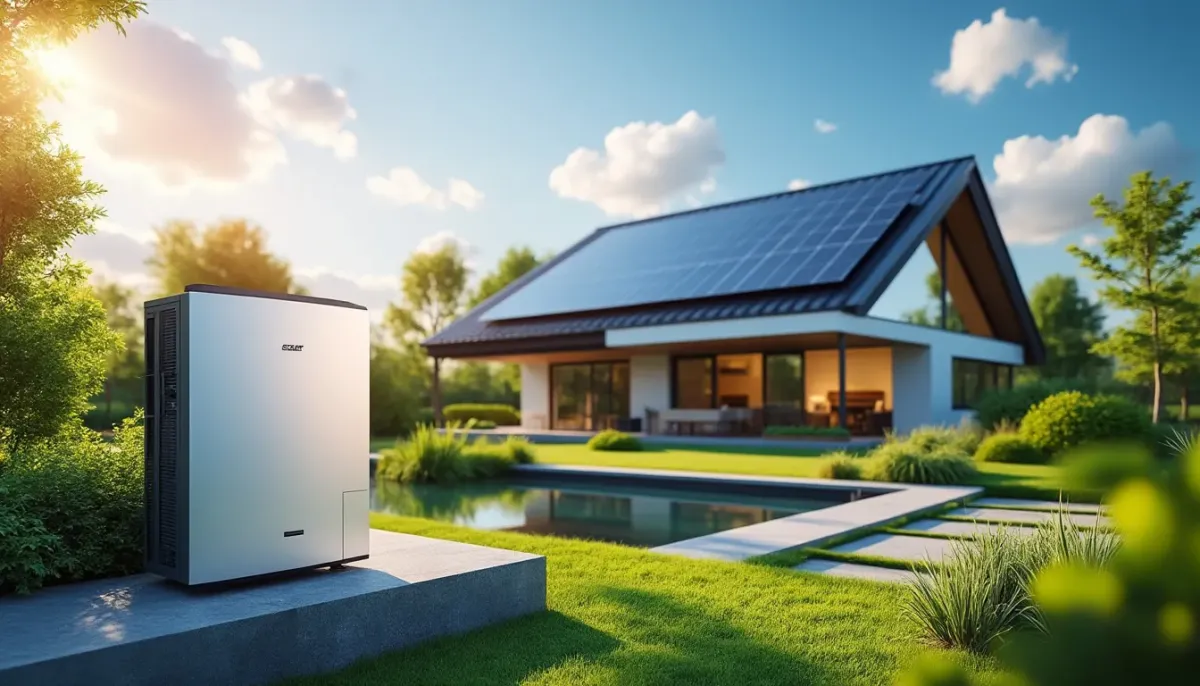
With the continuous rise of sustainable energy technologies, 2025 marks a pivotal year for heating solutions. Due to the constant increase in electricity costs, an ever-growing number of households and businesses are favoring solar energy as a viable alternative for their daily energy needs. Indeed, according to the International Energy Agency (IEA), the share of solar energy increases by 30% each year since 2010, positioning this resource as the energy of choice for a sustainable future. Simultaneously, innovative companies like Naked Energy in the UK are developing technologies such as the Virtu hybrid solar collector, which effectively combines electricity production and heating. This device not only reduces energy bills but also contributes to a more environmentally-friendly development model.
Discover the hybrid solar thermal and heat pump system
The hybrid system combining a solar thermal collector with a heat pump provides a comprehensive and effective approach to meet the heating demands of a home in 2025. This type of installation maximizes the use of solar energy while ensuring a supply of heat during less sunny periods. Indeed, technological advancements in energy capture and storage offer optimized performances, significantly surpassing those of traditional systems.
Operating principles of a hybrid system
The operation of a hybrid system relies on the interaction between two technologies: solar thermal and heat pump. The solar thermal collector converts sunlight into heat, which is then used to preheat water that can supply central heating or domestic hot water needs. As for the heat pump, it uses electricity to extract heat from the air or ground and release it to the system when necessary. Thus, this combination allows for optimizing energy consumption while reducing greenhouse gas emissions.
A concrete example: the Virtu solution
The Virtu hybrid solar collector, developed by Naked Energy, perfectly illustrates the advantages of such a system. Designed to produce heat up to 120 °C and provide up to 370 watts of electricity through its five vacuum tubes, this device uses reflectors to maximize solar energy capture. Its yields are up to 50% higher than those of traditional photovoltaic and solar thermal technologies. This performance makes it a key player in energy independence, allowing users to achieve substantial savings on their energy bills.
The advantages of integrating a heat pump
By integrating a heat pump with a solar heating system, you gain numerous benefits:
Reduction in electricity consumption: Prioritizing solar heat reduces your need for electricity for heating.
Minimal ecological impact: Less electricity needed means fewer emissions and a greener operation.
Increased energy autonomy: By generating your own heat, you reduce your dependence on energy suppliers.
Automated system: Modern systems like those from ÖkoFEN ensure hassle-free operation, automatically adapting resources according to needs.
Benefits | Details |
|---|---|
Reduced consumption | Maximized use of available solar heat. |
Ecological | Less fossil fuel used, reduced impact. |
Energy independence | Autonomous heat generation, cost reduction. |
Automation | Regulated system that adapts its operation according to the weather. |
A technology with a low carbon footprint
With a growing awareness of environmental issues, choosing a hybrid system like the Virtu allows one to address the challenges of the energy transition. The design of this device generates up to four times more energy than a conventional system. Furthermore, it can be easily combined with other heating solutions, such as geothermal or air-source heat pumps, thus optimizing their efficiency according to the seasons. For example, in winter, when the availability of solar energy decreases, a heat pump can provide the necessary heat. Similarly, the summer months are conducive to the optimal operation of solar collectors, allowing for maximum energy capture.
Meeting the requirements of the energy transition
The Virtu model is designed to fit into the broader energy transition approach. Beyond its technical performance, its low carbon footprint builds a bridge towards a more responsible energy future. By prioritizing solar energy, you commit to a sustainable lifestyle while contributing to the reduction of greenhouse gases.
Compatibility with existing installations
Another advantage of using hybrid systems lies in their compatibility with existing heating installations. Whether you are involved in renovations or constructing a new building, these systems can easily be integrated. For example, if you already have a traditional boiler, incorporating a Virtu solar collector can optimize its efficiency, thus reducing your dependence on less ecological energy sources.
Profitability and financial aid for installation
Investing in a hybrid solar thermal system associated with a heat pump may seem costly at first, but the long-term savings, along with available financial aids, make this option very appealing. In France, several grants are available to encourage such green installations. These aids can reach up to €20,700, which can substantially cover installation costs.
Available financial aids
Here are some examples of possible aids:
MaPrimeRénov’ Solar Thermal: Up to €10,000 for the installation of solar panels.
MaPrimeRénov’ Heat Pump: Up to €5,000 for coupling your heat pump with a solar system.
Prime Coup de Pouce: Up to €5,800 depending on eligibility conditions and income.
Financial Aid | Maximum Amount |
|---|---|
MaPrimeRénov’ Solar Thermal | €10,000 |
MaPrimeRénov’ Heat Pump | €5,000 |
Prime Coup de Pouce | €5,800 |
A significant return on investment
By combining these financial aids with the energy savings achieved through the use of a hybrid solar collector, it is possible to achieve electricity savings of up to 30%. This is particularly relevant in a context where energy bills are constantly rising.
Tips to optimize your installation
To get the most out of your hybrid system, here are some practical tips:
Carefully choose the location of your solar panels to maximize sun exposure.
Ensure your installation is designed to meet your specific needs.
Contact qualified professionals for an effective and secure installation.
Plan regular maintenance for your system to ensure its long-term efficiency.
Protel the future of heating: blending technology and ecology
As we move towards an increasingly sustainability-focused future, the hybrid heating system represents a promising path towards a successful energy transition. By integrating solutions like those offered by BioTherm and EcoPompe, we can envision transforming our home energy consumption into a model of sustainability. Over the long term, this type of investment not only replaces our traditional heating methods but also changes our relationship with energy and the environment, thus promoting a future where sun and heat become indispensable allies.
FAQ on hybrid solar systems and heat pumps
What is the difference between a solar thermal collector and a photovoltaic panel?
A solar thermal collector converts sunlight into heat, usually for heating water, while a photovoltaic panel converts that energy into electricity.
Do these systems consume a lot of electricity?
No, these systems are designed to minimize their electricity consumption by primarily using available solar energy for boiler and hot water production.
What income can be expected from financial aids?
Financial aids can consequently significantly reduce installation costs, amounting up to €20,700, depending on income conditions and eligibility.
Can a hybrid system be coupled with an existing central heating?
Yes, hybrid systems can be integrated into existing heating installations, allowing you to capitalize on already made investments.
What is the lifespan of a hybrid solar system?
Generally, a well-maintained hybrid solar system has a lifespan of about 25 years.