Optimize your seasonal heating: practical tips for reduced consumption in 2025
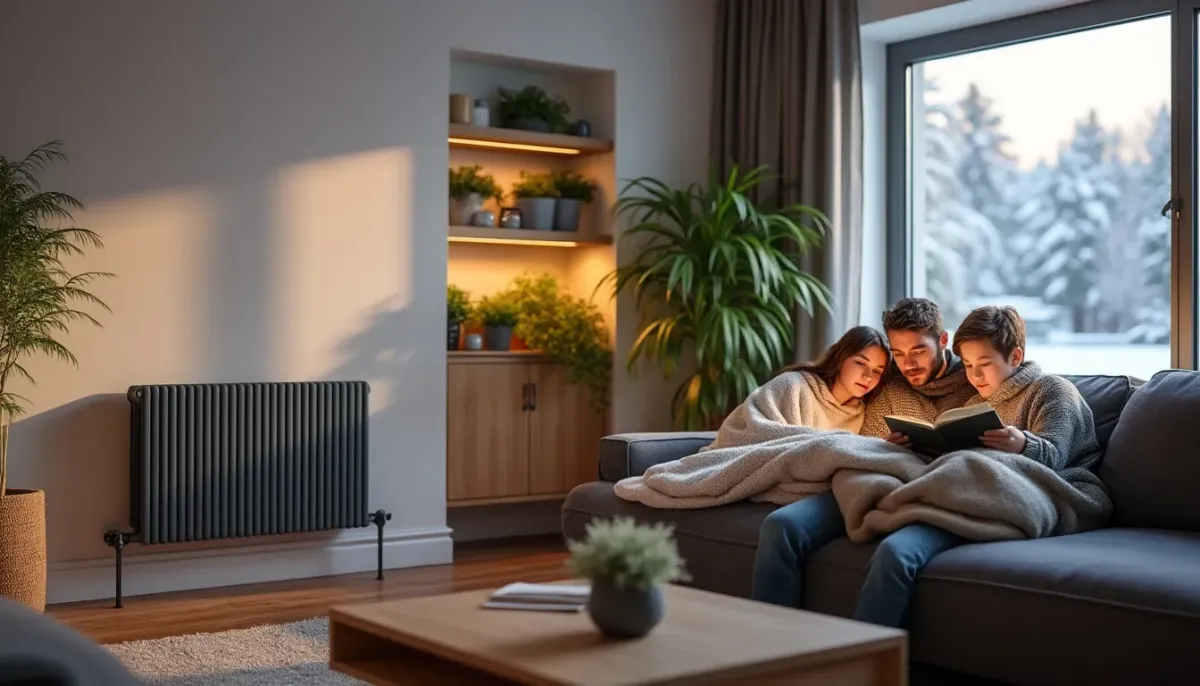
In a world where every gesture counts in the fight against climate change and rising energy prices, it is more crucial than ever to optimize your heating consumption. This article provides a set of practical tips to reduce your energy consumption while ensuring your thermal comfort during the winter months. With technological advancements and evolving insulation standards, it is now possible to achieve significant savings on your heating bill while contributing to environmental preservation. Together, we will explore various aspects of heating optimization, from the most suitable systems to energy-saving behaviors, as well as the financial aid available.
Understanding Your Heating System to Optimize Your Consumption
Before changing your heating habits, it is essential to know and understand the system you are using. Whether it is central heating, a radiator system, or underfloor heating, each option comes with its own benefits and challenges. In this context, investing in a high-efficiency system, such as those offered by brands like Viessmann or Daikin, can significantly reduce your long-term bill.
Here is an overview of the most common types of heating:
Electric heating: Easy to install, but can be costly if electricity is not from renewable sources.
Gas heating: Generally cheaper than electricity, but with CO2 emissions to consider.
Heat pumps: Eco-friendly, they use heat from air or ground, but require an initial investment.
Wood heating: A sustainable and economical method, provided you have a good supply of fuel.
The Importance of Thermal Insulation
A key aspect of optimizing your energy consumption rests on the thermal insulation of your home. Good insulation retains heat indoors and prevents unnecessary losses. This can significantly reduce your heating consumption, resulting in up to 30% savings on your bill.
For effective insulation, here are some materials to consider:
Glass wool
Expanded polystyrene
Wood wool
Don’t forget to pay attention to windows and doors, as good insulation isn’t limited to walls. Installing double glazing, for example, is an option to explore with companies like Atlantic or Kermi.
Adopting Energy-Saving Behaviors in Daily Life
Beyond infrastructure, some simple gestures can have a significant impact on your energy consumption. Thermostat settings, lifestyle habits, and the use of smart devices are all factors that can contribute to savings.
Settings and Technologies to Favor
Consider setting your thermostat to a reasonable temperature: 19°C in living areas and 16°C in bedrooms. Every degree counts and can lead to 7 to 10% savings on your bill.
Modern technologies like smart thermostats from brands such as Fujitsu or Chaffoteaux allow you to monitor and adjust your energy consumption via your smartphone. By using these devices, you could save up to 25% on your annual heating bill.
Here are a few technologies to consider:
Programmable thermostats
Energy management programs via smartphone
Temperature and humidity sensors
10 Daily Gestures to Save Energy
Having good habits can also reduce your heating consumption. Here is a list of simple gestures you can implement:
Close shutters and curtains at night to retain heat.
Clear the space around radiators to optimize heat diffusion.
Use door draft stoppers to prevent drafts.
Ventilate your home for 10 minutes a day.
Lower the heating when you are away.
Wear warm clothes indoors instead of overheating.
Use blankets to keep warm.
Close doors to rooms you do not heat.
Take advantage of sunlight by opening the curtains during the day.
Do not block radiators with furniture.
Have you ever thought of setting up a family challenge? Try implementing these gestures for 21 days to establish new habits.
Investing in Efficient Heating Solutions
If you are considering renovating or changing your heating system, several modern options are available to you. High-efficiency heating systems, such as those from brands like Bosch or Viessmann, can be a wise long-term investment.
Comparison of Modern Heating Systems
Here is a table summarizing the differences between the most common heating systems:
Heating System | Energy Efficiency | Installation Cost | Operating Cost | Environmental Impact |
|---|---|---|---|---|
Air-water heat pump | Very high (COP 3-5) | €10,000 - €15,000 | Low | Low |
Condensing boiler | High (efficiency >90%) | €3,000 - €5,000 | Medium | Medium |
Pellet stove | High (efficiency >85%) | €2,000 - €5,000 | Low (if using sustainable pellets) | Low |
New generation electric radiators | Medium to high | €500 - €1,000/unit | Depends on the electricity source | Variable |
Financial Aid for Energy Renovation
To encourage energy renovations, various financial aids are available:
MaPrimeRénov’: aid calculated based on income and the work performed.
Zero-interest eco-loan: interest-free financing for your renovations.
Energy Savings Certificates (CEE): bonuses paid by energy suppliers.
5.5% VAT on energy improvement work.
Local aids from certain regions or municipalities.
Find out about your eligibility and compile your file to benefit from these aids that can lighten your initial investment.
Towards a More Sustainable Energy Future
We live in an era where energy efficiency and environmental protection go hand in hand. Heating technologies are evolving towards eco-friendly solutions, such as solar thermal and geothermal systems. Adopting these new methods can not only reduce your energy bills but also contribute to a more sustainable future.
Eco-Friendly Alternatives to Traditional Heating
The transition to renewable energies is materialized by systems like solar thermal heating, which uses solar energy to generate heat.
Solar panels on the roof absorb solar heat.
The heat is circulated via a heat transfer fluid to a storage tank.
This heat can be used for heating or for domestic hot water.
Investing in such solutions can generate considerable savings in the long run. For an average family, this can represent an annual saving of up to €400 on your bills.
Efficiently Managing Your Energy Consumption
To maximize your energy efficiency, regularly monitor your heating consumption. Using modern tools, such as smart meters and energy tracking apps, can help you adopt better consumption habits.
Install a smart meter to track your consumption in real-time.
Use digital platforms to plan your energy consumption.
Adjust your habits based on collected data to save more.
Frequently Asked Questions about Heating Optimization
What is the ideal temperature to save on heating?
The recommended ideal temperature is 19°C in living areas and 16-17°C in bedrooms.
How to effectively use a programmable thermostat?
Set lower temperatures at night and when you are away, and adjust the temperature 30 minutes before your return.
What are the most effective daily gestures to reduce your heating bill?
Close shutters at night, clear radiators, ventilate efficiently, and wear warm clothing.
Is thermal insulation really profitable for saving money?
Yes, it can reduce your energy bill by up to 30% and has a quick return on investment.
Can you save on heating without investing?
Yes, lowering the temperature and adopting simple gestures like closing windows and curtains at night can generate significant savings.