Production of hot water: optimize your mixed boiler for optimal comfort in 2025
6 min read
In a world where home comfort is essential, the production of domestic hot water (DHW) is a fundamental element for daily well-being. In 2025, with the evolution of technologies and environmental concerns, focus your attention on optimizing your mixed boiler to ensure warmth and energy savings. Whether you are building a new home or renovating an old one, the question of hot water should not be taken lightly. Discover everything you need to know to make the best choice for your household.
Understanding domestic hot water: a daily need
To begin, what is domestic hot water? DHW refers to water used for domestic purposes, whether for showers, baths, or dishwashing. In France, this hot water represents over 10% of the total energy bill, a share that deserves special attention. In 2016, this proportion reached 12.1%, and the forecasts for 2025 do not suggest dramatic changes without effective and modern management of heating systems.
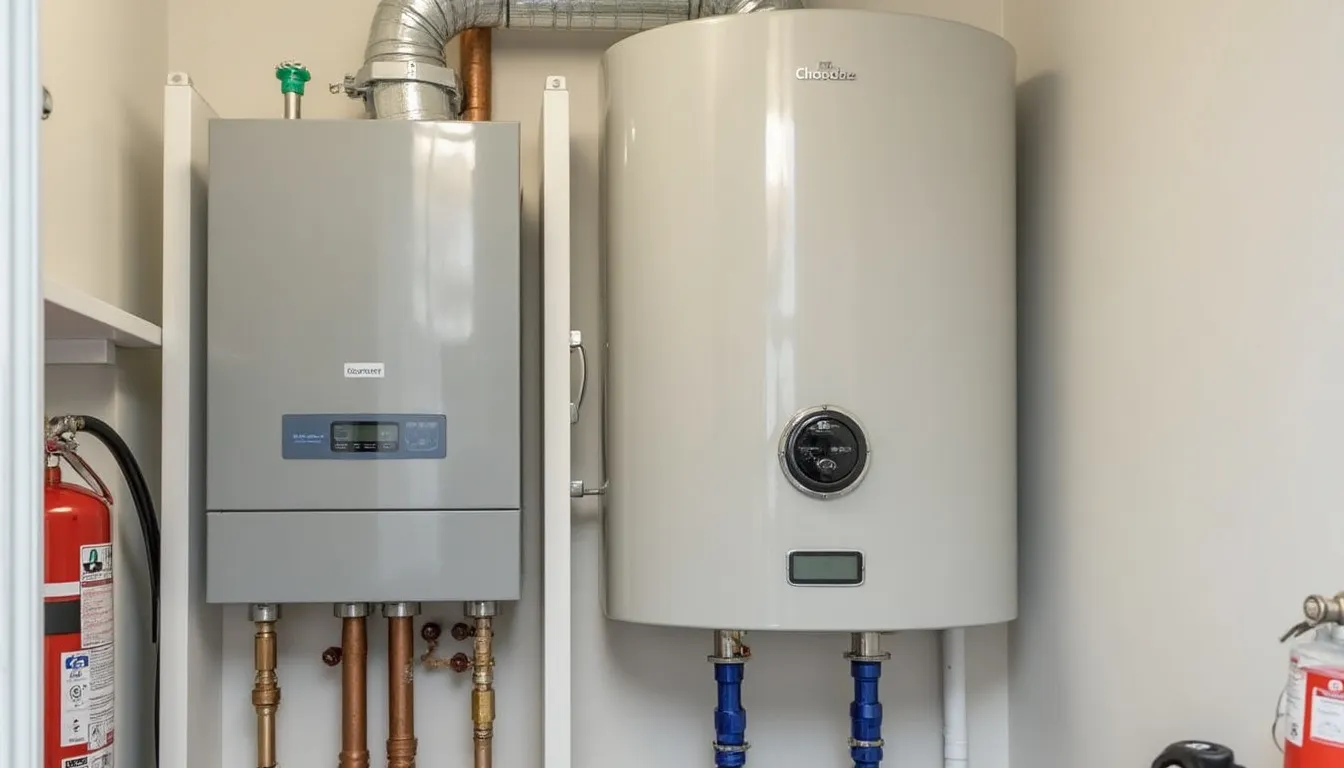
To this end, the choice of the water heater system is crucial. There are mainly two approaches: those that generate hot water on demand, using instant systems, and those that accumulate water in a tank for later use. DHW can be individual, as is often the case in homes in France, or collective, particularly in some buildings, although this remains an uncommon configuration.
Energy sources for domestic hot water
To produce hot water, several energy sources can be utilized:
Fossil fuels: such as gas and oil, often used with boilers.
Heat pump: capturing calories from the air, this system offers interesting efficiency and low energy consumption.
Electricity: via the Joule effect, very widespread and easy to implement.
Solar energy: an eco-friendly and sustainable option, although requiring a higher initial investment.
To avoid the risk of burns, French regulations require limiting the water temperature to 50°C at the tap. However, to prevent the development of legionella, it is recommended to maintain the water heater temperature between 55 and 60°C.
Choosing the right hot water production system
Nowadays, various hot water production systems are available on the market: mixed boilers, thermodynamic water heaters, electric models, etc. Let’s take a look at these different options to help you make the best choice.
Air/water heat pump for DHW production
If you are considering changing your heating system for an air/water heat pump, be aware that there are models that also integrate domestic hot water production. This system operates efficiently with an outdoor unit and an indoor module, which often includes a storage tank. Depending on your needs, the latter can have a capacity ranging from 170 to 300 L.
Here are the two main models available:
2-in-1 model: easy to install, with the tank integrated into the indoor unit, combining heating and hot water in a single device.
Remote tank: useful if space is limited, the tank is connected to the heat pump, maximizing performance.
The heating up process is quick, ensuring optimal comfort. By opting for such a system, you could achieve savings of up to 70% on your bill while contributing to reducing your carbon footprint.
Strengths | Weaknesses |
|---|---|
Optimal and quick comfort | Higher initial cost |
Stable temperature | Bulky 2-in-1 model |
Significant energy savings |
The thermodynamic water heater
Another interesting alternative is the thermodynamic water heater, which uses the same principle as the heat pump. It captures calories from the air, making it an economic and ecological choice, especially in renovation contexts. Its consumption is up to three times lower than that of a conventional electric water heater, while being environmentally friendly.
However, care must be taken during its installation. It should be placed in a well-ventilated room, either large or heated for insulation speed applications. Here are some advantages and disadvantages to consider:
Strengths | Weaknesses |
|---|---|
Energy savings | Not entirely renewable |
Affordable purchase price | Can be noisy |
Eligible for financial aids | Regulated installation |
The electric water heater: simplicity and efficiency
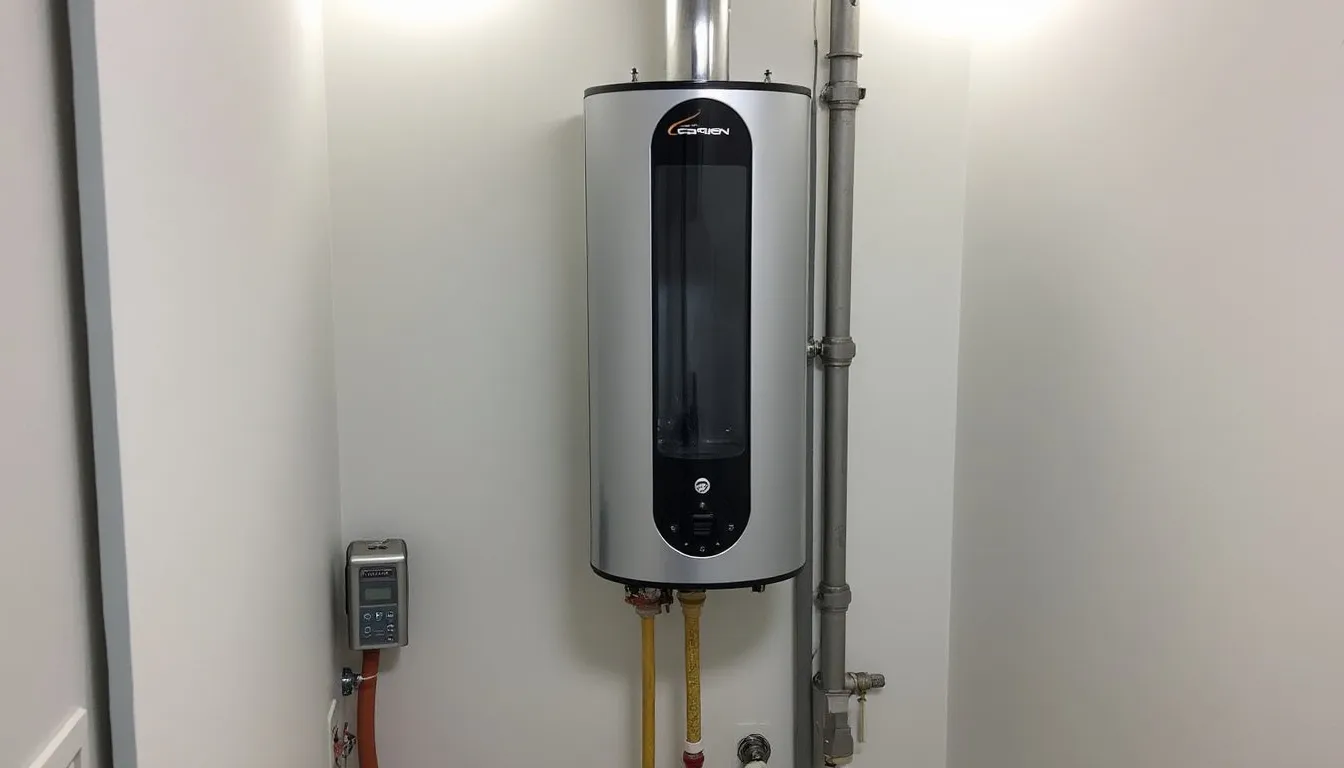
If you are looking for a simple option and want a compact system, then the electric water heater may suit you. This model is frequently chosen for its ease of installation without major works. Its compact size makes it ideal for small homes.
It is important to take care of it and perform maintenance every two years, such as descaling. Additionally, scheduling heating during off-peak hours allows for savings on your bills.
Advantages: easy to install, affordable purchase cost, ideal for small households.
Disadvantages: long heating time (around 8 hours) and potentially high electrical consumption.
Selection criteria | Electric water heater |
|---|---|
Purchase cost | 500 to 1500 € |
Energy consumption | High |
Maintenance | Regular, descaling every 2 years |
Mixed boilers: a versatile solution
Mixed boilers represent a choice option, as they ensure both the production of heat and DHW. Whether powered by gas, oil, or biomass, the main advantage is the flexibility they offer.
Types of mixed boilers
Here are different types of mixed boilers:
Instant boiler: no tank, water is heated on demand, ideal for small households.
Micro-accumulation model: maintains temperature while limiting waste of cold water.
Storage boiler: equipped with a tank, useful for large families.
Thus, beyond the production of hot water, these boilers also allow for optimizing energy consumption, which is essential in the current context, where the desire to save energy is strong.
Type of boiler | Strengths | Weaknesses |
|---|---|---|
Instant boiler | Compact, practical | May lack capacity for multiple simultaneous uses |
Micro-accumulation model | Saves water, heats quickly | Requires regular maintenance |
Storage water heater | Large capacity, suitable for families | Bulkier, variable installation costs |
The economic challenges and available aids
Changing equipment for a more modern and economical system may seem costly, but many financial aids exist to alleviate this investment.
Mixed boilers, as well as thermodynamic and solar water heaters, are eligible for several types of aids such as:
MaPrimeRenov’: for individuals who wish to improve their energy efficiency.
Reduced VAT: when installing renewable energy systems.
Zero-interest eco-loan: for financing energy renovations.
Type of equipment | Price range | Available aids |
|---|---|---|
Mixed boiler | 2000 to 7000 € | MaPrimeRenov’, reduced VAT |
Thermodynamic water heater | 1500 to 2800 € | MaPrimeRenov’, reduced VAT |
Electric water heater | 500 to 1500 € | No aid |
Solar water heater | 3000 to 7000 € | MaPrimeRenov’ |
By making a thoughtful investment and using the aids available to you, it is possible to achieve significant savings while improving the comfort of your home.
FAQ
What are the most economical solutions for producing hot water?
Thermodynamic systems and mixed boilers are often considered the most economical, as they utilize renewable energy sources and consume less electricity.
What type of water heater is recommended for small households?
For small households, an electric water heater or an instant boiler is often recommended, as they require less space and are suitable for lower water consumption.
How can you prevent limescale buildup in a water heater?
To do this, it is recommended to descale every two years and regulate the water temperature in order to limit the formation of limescale deposits.
What government aids are available in 2025 for energy transition?
Individuals can benefit from MaPrimeRenov’, reduced VAT, and zero-interest eco-loans to reduce the cost of changing equipment to more energy-efficient solutions.
Why choose a renewable hot water production system?
In addition to the savings made, a renewable hot water production system contributes to environmental preservation and the reduction of your household's carbon footprint.