
Residents of La Veline in search of answers
6 min read
At the heart of La Veline, a peaceful social residence managed by 13 Habitat, a growing concern animates its residents. Between confusing bills and material damage, the residents of La Veline seek clarifications on a situation that compromises their everyday life and purchasing power. This collective of residents, united under the banner of "Réponses Vélinoises", expresses strong doubts about the unexplained rise in heating charges and the visible impacts of water damage that persist in their homes. This quest for information and justice highlights the complexity of collective energy systems, the importance of transparent management, and the necessity for constructive dialogue between landlords, local authorities, and users. The La Veline Community thus remains on alert, mobilized around the search for suitable Solutions La Veline, to restore trust and comfort in their living environment.
Understanding the conflict over heating charges at La Veline: challenges and disputes
For several months, the residents of La Veline have been facing a worrying surge in their heating charges. They have observed an exorbitant increase in their energy bill. For many, this constitutes a total misunderstanding, especially since their individualized contract seemed to guarantee billing based on actual usage. This situation has prompted a collective of tenants to form, eager to obtain clear and precise answers from the social landlord 13 Habitat and local authorities.
The complexity of the municipal urban heating system that supplies the residence is at the heart of this issue. According to several exchanges with the General Housing Confederation (CGL), billing errors committed between 2021 and 2024 may have generated significant discrepancies affecting charge calculations. The unilateral shift to collective billing, while contracts provided for an individual system, has also exacerbated tensions. The Residents' Voice is thus forcefully demanding a transparent review of bills and an adapted payment schedule.
The technical implications of the transition from individual to collective heating
Transitioning from an individual sanitary installation to a collective heating system does not come without consequences. This involves both technical and administrative intervention including:
A redesign of the energy distribution system in the dwellings;
The establishment of a global accounting and allocation of charges;
However, in the absence of prior information and consultation, the residents of La Veline have suffered increases in charges that they deem unjustified. Recent water damage, poorly repaired, has also compromised the integrity of the structures, leading to energy losses that heavily impact collective consumption.
Year | Energy billed (in €) | Energy provisioned (in €) | Variation (€ and %) |
|---|---|---|---|
2021 | 63,000 | – | – |
2024 | – | 200,000 (estimated) | +137,000 (+217%) |
2025 | – | 220,000 (forecast) | +157,000 (+249%) |
This table illustrates the magnitude of the energy issue at La Veline, with figures to support it. The La Veline community, mobilized through a web platform called InformaVeline, regularly exchanges information to better understand this drift.
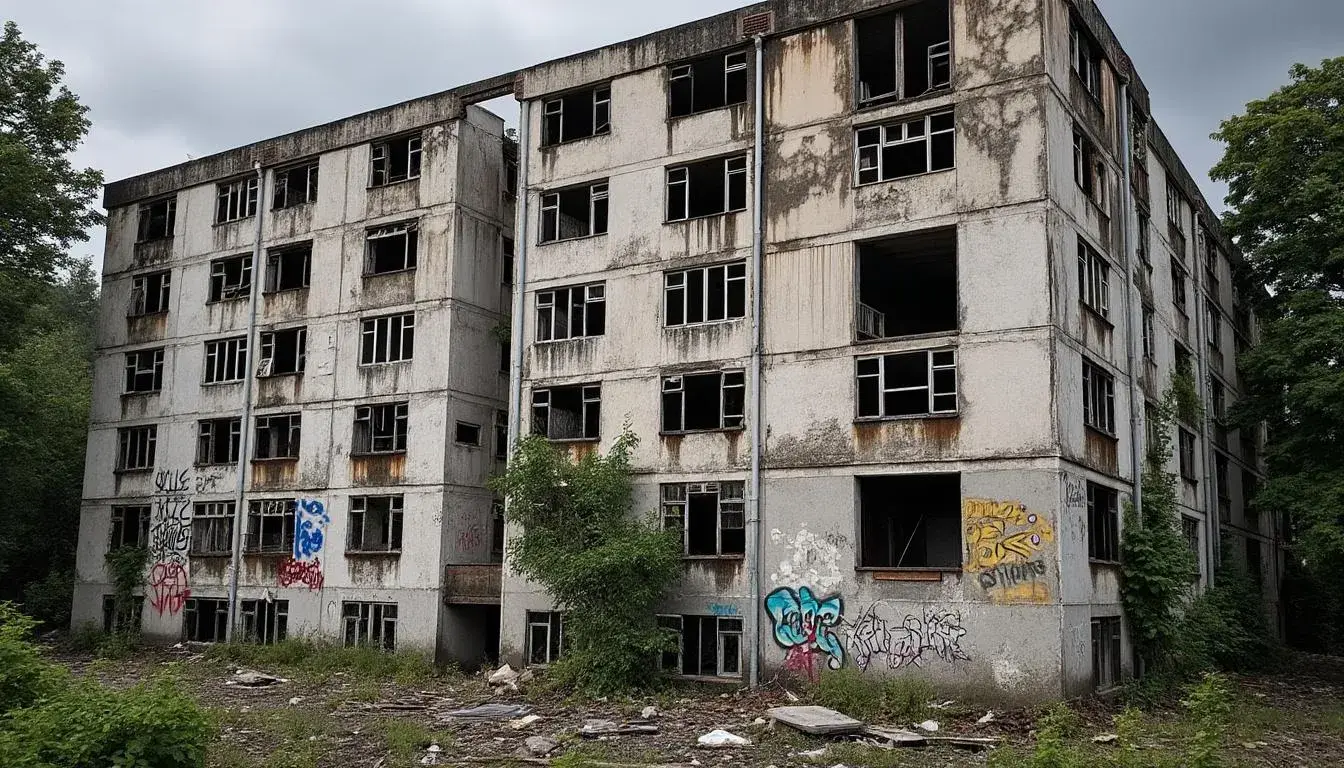
Water damage: an invisible scourge but heavy on the habitat and charges
Another crucial question agitating the residents is the water damage occurring in some apartments, particularly in the unit where the collective formed. These damages, far from being trivial, affect the structural integrity and sanitation of the dwellings. More concerningly, they cause insulation and sealing malfunctions that contribute to increasing heating bills, magnifying the crisis.
Repairing water damage often requires prompt intervention and quality work. Paul Leclerc, a recognized specialist in the maintenance of sanitary installations, reminds us that:
The stability of walls and roofs directly impacts thermal comfort;
A lack of waterproofing leads to energy overconsumption;
The interventions must be carried out with robust and durable materials.
However, delays in repairs at La Veline have mechanically impacted the energy bill. This phenomenon, coupled with an aging urban heating network, puts pressure on Resources La Veline, the municipal maintenance service, which struggles to meet expectations despite its efforts.
Observed Problems | Technical Consequences | Impacts on Charges |
|---|---|---|
Damaged Roof | Moisture entry, degraded insulation | Increased consumption |
Unaddressed Leaks | Detrimental to load-bearing walls | Heat loss |
Poor Ventilation | Humid air, condensation | Decreased comfort |
For the inhabitants, these findings fuel their demand for a more reactive approach to maintenance and transparent follow-up, echoing the steps of Veline aid to regulate costs related to co-ownership and collective heating.
The residents' collective: a model of civic mobilization for transparency
The formation of the collective represents a key step in the Residents' Voice. Aware of the necessity of dialogue with 13 Habitat and the town hall of Gardanne, this coalition relies on the mobilization of the concerned residents to voice their demands. The exchanges between Velines and the General Housing Confederation (CGL) have intensified pressure on the authorities, who eventually organized a public meeting. This session allowed, among other things, the establishment of a schedule for the progressive settlement of contested charges.
The collective is committed to addressing all parties, ensuring that the Solutions La Veline are fair, accessible, and sustainable. Citizen dialogue is also encouraged to prevent similar situations from arising again. Among their demands are:
A systematic consultation before any contractual or technical modification;
Transparent access to billing data and administrative documents;
A swift response to repairs related to water damage;
The establishment of an alert and support mechanism in case of increasing charges.
They thus position themselves as an essential actor for the cohesion of the La Veline Community and the quality of life in the neighborhood. Interactive platforms such as InformaVeline facilitate the sharing of information and the organization of collective actions.
Collective Action | Objective | Expected Outcome |
|---|---|---|
Public Meeting | Obtain commitments from the landlord | Implementation of schedule |
Request for Audit | Clarification of bills | Transparency and correction |
Communication via InformaVeline | Inform residents | Collective cohesion |
Reflections on energy management and available aid for La Veline
In the face of rising energy costs, it is essential that the social landlord and the municipal management adopt responsible and efficient resource management. Paul Leclerc encourages the adoption of high-performance heating systems combined with appropriate thermal renovation. In this regard, several financial aid schemes are currently available for residents and landlords, including:
MaPrimeRénov’: for the energy renovation of dwellings;
Tax Credit for Energy Transition (CITE): tax aid on expenses;
Local Subsidies: offered by local authorities;
Biomass Heating Aid: promoting renewable energies;
Social Aid: for households in difficulty through dedicated funds.
Awareness of these schemes particularly relies on the Veline Network, a local information channel providing practical advice and enabling the creation of funding applications. A commitment to healthier living environments and controlled charges also seems to involve collaborative work between residents and property managers.
Type of Aid | Beneficiaries | Conditions | Approximate Amount |
|---|---|---|---|
MaPrimeRénov’ | Owner occupants and landlords | Certified energy renovation | Up to €20,000 |
CITE | Owners, tenants under certain conditions | Validated energy expenses | 15 to 30% of works |
Local Subsidies | Residents of partner municipalities | Project included in the local program | Variable |
Biomass Heating Aid | Co-properties or social landlords | Installation of efficient systems | According to project |
Social Aid | Households in difficulty | Eligibility based on social criteria | Variable |
Moreover, to understand the complex mechanisms and calculations inherent to the charges, the InformaVeline platform offers guides and FAQs dedicated to residents. The transmission of Veline knowledge is crucial for everyone to exercise their rights, with full awareness.
Perspectives for a sustainable improvement in quality of life at La Veline
The collective search for solutions at La Veline underscores the need for a comprehensive vision that combines technique, social dialogue, and administrative transparency. Paul Leclerc emphasizes the importance of regular preventive maintenance of plumbing and heating installations, both in individual and collective spaces. He notably recommends:
An annual diagnostic of urban heating equipment;
The systematic checking of waterproofing systems at the roof;
The implementation of training and awareness initiatives for residents;
Open communication through the Veline Network and InformaVeline;
Close collaboration between 13 Habitat, the town hall of Gardanne, and the residents.
These actions, punctuated by concrete measures and vigilant oversight, pave the way for better control of charges, restoration of trust, and maintaining a high quality of life in the residence. The case of La Veline illustrates how constructive civic mobilization can be a powerful lever to influence the management of collective spaces and promote sustainable living that respects needs.
Aspect to Improve | Recommended Action | Expected Benefits |
|---|---|---|
Heating Maintenance | Regular diagnostics and maintenance | Reduction of breakdowns, control of consumption |
Sealing Repair | Swift interventions and durable materials | Thermal comfort and preservation of structures |
Resident Information | Dedicated participatory channels | Transparency and civic engagement |
For any urgent request, Paul Leclerc remains available: need a quick repair? He is ready, armed with his expertise and commitment to sustainable solutions.