Safety standards for the creation of local heating installations
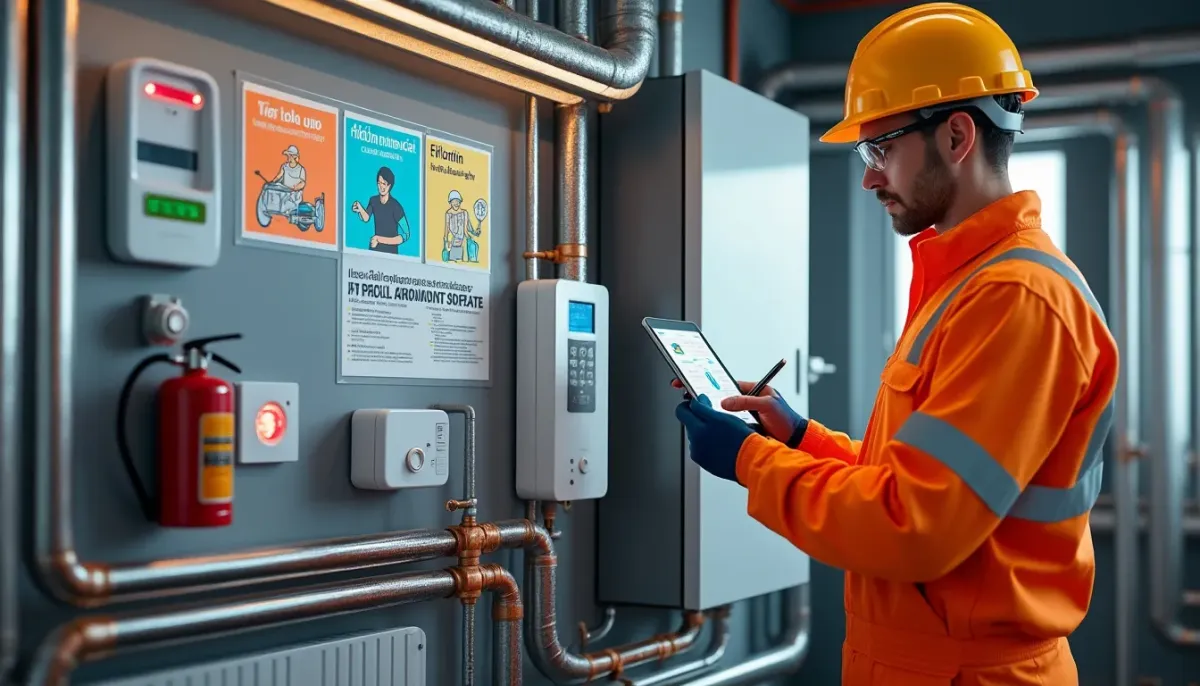
In a constantly evolving world, where the comfort of our homes revolutionizes our perception of space, the safety of local heating installations has become an undeniable priority. Safety standards are constantly evolving to meet the demands of new technologies and environmental concerns. Through this article, we offer an exploration of the essential safety standards for the design of heating installations, while highlighting recognized brands such as Danfoss, Mitsubishi Electric, and Groupe Atlantic that play a major role in this sector.
Why adopt safety standards for local heating installations
As central or individual heating devices improve our daily lives, it is crucial to ensure safe and reliable operation. Safety standards guarantee not only the safety of users but also that of the environment. By complying with regulatory requirements, heating professionals protect users and their property while promoting optimized energy performance.
The importance of standards in the design of heating devices
Safety standards are essential in the design of heating devices, as they aim to prevent potential dangers. Many brands, such as Viessmann, Ferroli, and De Dietrich, have integrated these standards into their manufacturing processes. Indeed, adhering to regulations helps avoid potential risks such as fires, carbon monoxide poisoning, and explosions. This goes beyond mere legal obligations; it is a promise made to users to ensure their safety.
Fire risk prevention
Reduction of pollutant emissions
Ensuring controlled energy consumption
Standards to respect during installation
To ensure the safety of a heating installation, several standards must be followed.These standards vary depending on the types of boilers and heating systems chosen:
Type of installation | Applicable standard(s) | Recommended brands |
|---|---|---|
Gas boilers | Decree No. 2019-496, Order of September 6, 2019 | Danfoss, Saunier Duval |
Heat pumps | EU Regulation No. 813/2013 | Mitsubishi Electric, Atlantic |
Electric heating | RT elements of May 3, 2007 | Chappee, Buderus |
Compliance work: a mandatory step
Compliance is a crucial step for any heating installation. Indeed, this approach helps ensure user comfort while respecting environmental and safety requirements. It concerns various aspects, from the equipment used to the ventilation of premises, including thermal insulation.
Steps for compliance
To successfully carry out this compliance, several steps must be followed. Some of them are directly related to the quality of the equipment used:
Analysis of heating needs according to the dimensions of the location
Selection of equipment compliant with current standards
Installation by a qualified professional
Control and validation of compliance by an accredited organization
Choice of equipment: between innovation and compliance
The choice of heating equipment generally adheres to rigorous manufacturing standards. Recognized brands such as Danfoss, Viessmann, and Ferroli offer devices that combine safety, comfort, and respect for the environment. When selecting these devices, it is vital to prioritize those bearing quality labels:
CE label: guarantees compliance with European standards
Energy labels: define the energy performance of equipment
NF marking: certifies the quality of manufacturing
Repair and maintenance: keys to the longevity of installations
For a central heating system to continue to be effective and safe, it requires regular maintenance and proactive repairs. This allows for identifying anomalies before they become dangerous. The following recommendations should be followed:
Checks to perform regularly
Thorough maintenance ensures the longevity of the system. Here are some operations to carry out:
Control of combustion gas emissions
Verification of the hydraulic circuit pressure
Inspection of air quality in the premises
Evaluation of the state of thermal settings
Innovations in heating system maintenance
New technologies facilitate the maintenance of heating equipment. For example, brands like Groupe Atlantic and Buderaus are introducing connected systems that allow for real-time performance monitoring.
The impact of regulations on the future of heating installations
With evolving societal and environmental expectations, it is imperative that heating installations become more sustainable. Safety standards will continue to adapt, promoting less energy-consuming heating installations. This involves exploring new sources of renewable heat and improving thermal technologies.
The next steps in regulation
Currently, France is emphasizing initiatives toward better energy efficiency. Thus, updates to performance energy standards are to be expected. It is fundamental that stakeholders in the heating sector, such as manufacturers, installers, and customers, commit to adopting these changes. This particularly involves:
The development of systems using renewable energy
The pursuit of technical innovations to reduce consumption
The continuous training of professionals on new standards
FAQ on safety standards and local heating installations
What are the main safety standards to respect?
The main standards to respect concern boiler safety, energy performance, and installation requirements. For example, Decree No. 2019-496 regulates the use of gas boilers.
How can I tell if my heating system is compliant?
You can have a diagnosis carried out by a certified professional who will check if your installation complies with current standards.
What equipment should be prioritized for effective heating?
Reputed brands like Danfoss, Viessmann, or Mitsubishi Electric offer high-performance equipment that complies with standards.
How often should I maintain my heating system?
Maintenance should be performed at least once a year to ensure the safety and efficiency of the installation.
What are the future challenges for heating installations?
The challenges include adapting to new regulations, integrating renewable energy, and reducing pollutant emissions.