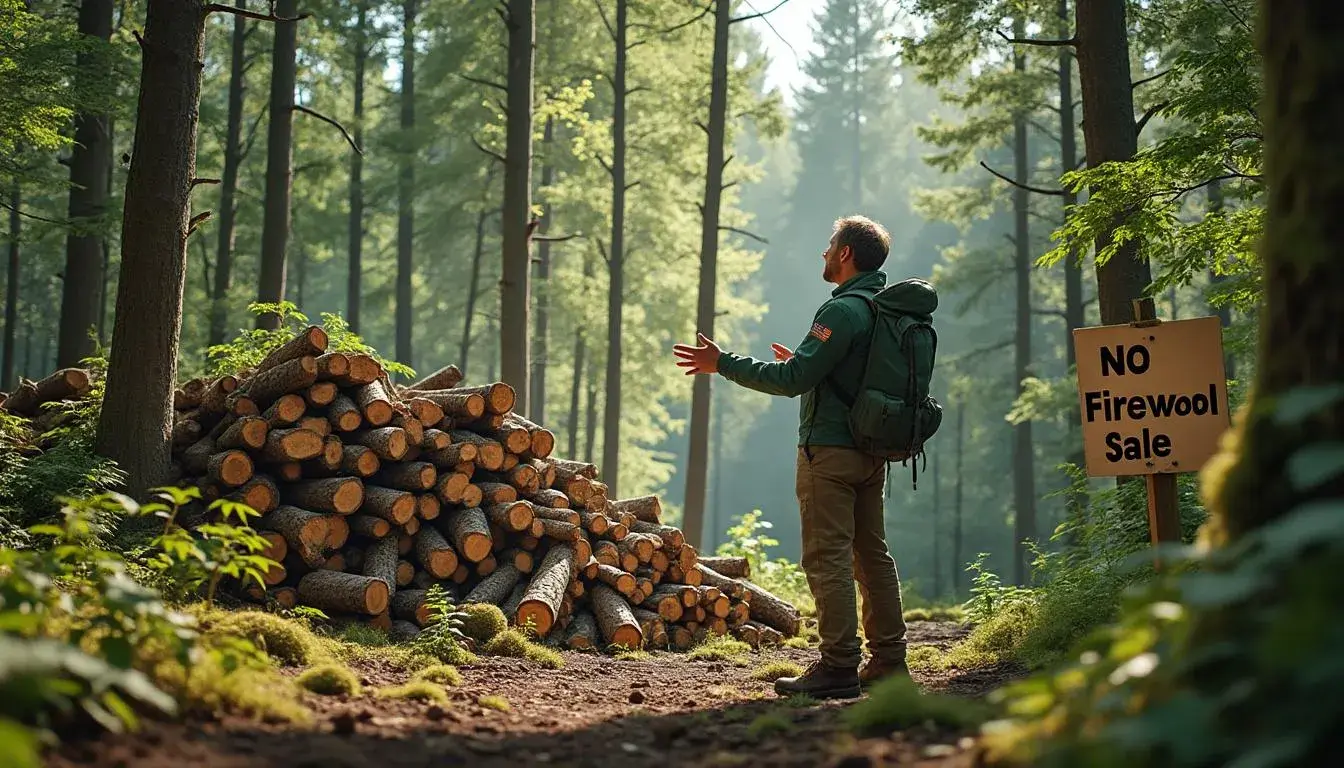
Sugarai ends the sale of firewood
7 min read
In the domestic heating sector, a major turning point is taking place with the recent announcement by the cooperative Sugarai that it has decided to stop selling traditional firewood. This choice is part of a complex economic and environmental context, where the energy transition requires us to rethink our energy sources. While log wood has long been a favored renewable energy source, the evolution of regulations and ecological expectations is reshaping the landscape of ecological heating in France. This change, far from being a simple halt, marks an essential step towards an innovative valuation of wood and a better sustainable management of local forests.
Sugarai and the evolution of the firewood market: economic and environmental challenges
The cooperative Sugarai, known for its commitment to sustainable development and responsible forest management, has just made a significant strategic decision: to end the marketing of log wood. This direction primarily stems from financial constraints related to the firewood market, but also from a strong desire to fully integrate the principles of energy transition and renewable energy.
Firewood, long favored for heating homes, is undergoing a transformation due to its seasonality, logistical costs, and demand fluctuations. Wood chips, on the other hand, offer more economical prospects and facilitate integration into modern heating systems, particularly pellet or chip boilers. Sugarai now prioritizes these products while maintaining a respectful, PEFC-certified forest management, a guarantee of renewable and sustainable exploitation.
This decision is not isolated. It echoes a broader trend where wood must be valued differently, leveraging alternative energies to reduce the overall carbon impact. The ecological stakes are significant: around air quality, reducing pollutant emissions, and sustainably managing local forests. Sugarai also calls for stronger public involvement to financially support this important transition and ensure the sustainability of the wood energy sector while respecting the environment.
Stop the sale of traditional log wood by Sugarai
Maintain production of wood chips
PEFC certification ensuring sustainable management
Requirement for appropriate public support
Adaptation to market and regulatory changes
Type of wood | Advantages | Constraints | Sugarai Orientation |
|---|---|---|---|
Log wood | Traditional heating, widely available | High logistical costs, storage, demand fluctuations | Gradual abandonment of marketing |
Wood chips | Practical, suitable for modern boilers, more economical | Requires specific installations, demands training | Preferred maintenance and development |
To provide additional insight, the wood sector is one of the rare sectors capable of providing a genuine energy transition towards more sustainable consumption patterns. Sugarai thus illustrates a model of wood valuation that aligns with current ecological and sustainable development imperatives, offering a credible alternative in the face of the environmental challenges of our time.
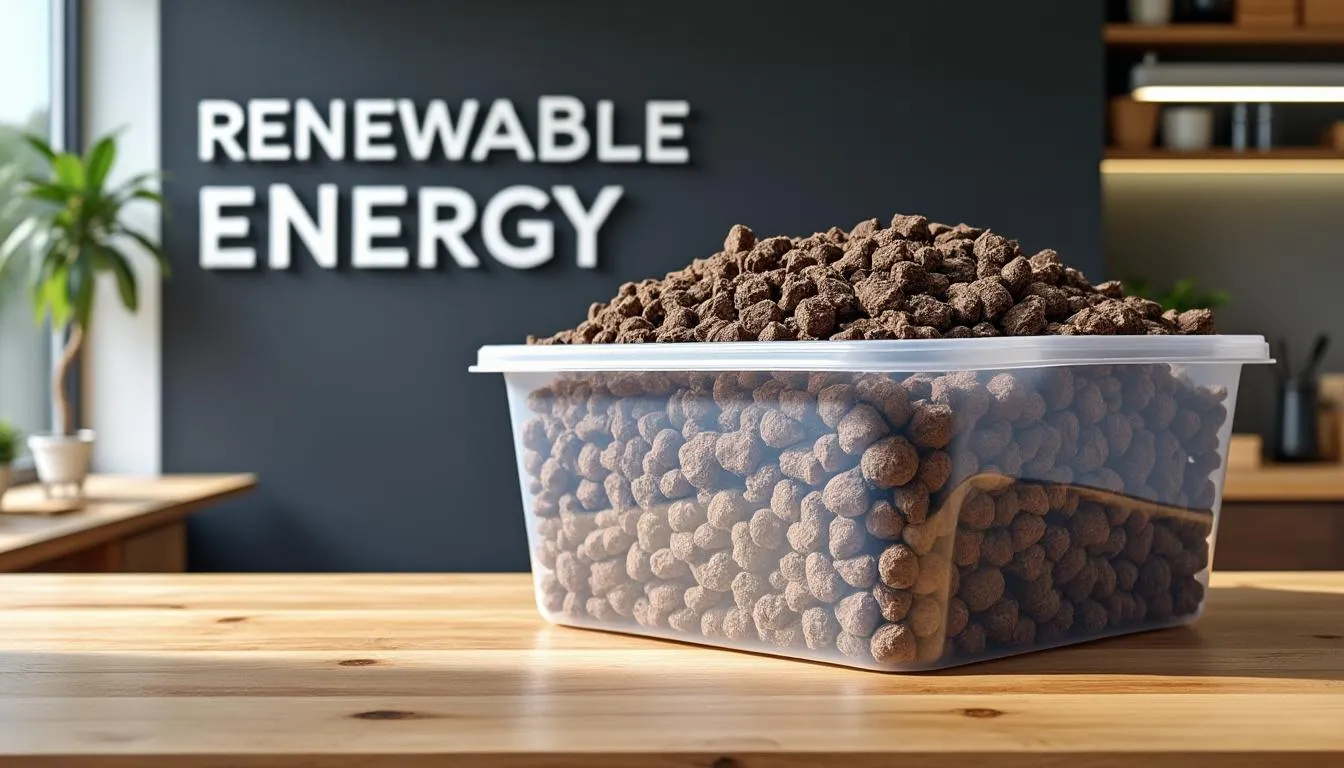
Wood heating in the energy transition: between constraints and opportunities
Firewood embodies both a traditional renewable energy source and a technical challenge at the heart of the energy transition. To fully understand Sugarai's decision, it is crucial to grasp the regulatory, environmental, and economic evolutions that are reconfiguring this sector.
First, European and national regulations are tightening, particularly targeting the most polluting heating appliances. Some wood stoves and boilers have already been banned from sale since 2023, and the prospect of even stricter restrictions planned for 2027 concerns both consumers and professionals. Contrary to some misconceptions, wood heating is not banned but must evolve towards high-performance equipment that meets the new emissions standards.
Meanwhile, the environmental impact of wood heating is under scrutiny. The combustion of wood generates fine particles, sometimes responsible for local pollution. To address this issue, using wood chips is more suitable, particularly for better-controlled and more efficient modern boilers. This evolution is an integral part of a strategy for change towards ecological heating, respectful of both air quality and energy sovereignty.
Tightening of standards for wood stoves and boilers
Progressive bans on polluting devices by 2027
Promotion of efficient and less polluting equipment
Importance of wood quality and combustion methods
Development of pellet and chip systems to better valorize the resource
Standards and regulations | Date of entry into force | Impact on equipment | Consequences for users |
|---|---|---|---|
Ban on very polluting devices | Since 2023 | Exit from the market of old models | Obligation to adapt/replacement |
Tightening of emission criteria | Planned for 2027 | Obligation for more efficient stoves | Investment in new equipment |
This reality necessitates an effort in training and informing professionals and individuals. Sugarai has thus chosen to shift its offer towards products better suited to the context, in line with energy performance and atmospheric pollution reduction requirements. To keep up with these developments, it is advisable to consult reliable and updated resources, such as this link dedicated to questions on the wood heating regulations in 2027: explanatory video or this comprehensive article on upcoming impacts Logic-Immo.
Sustainable wood valuation: Sugarai's strategy for ecological heating
Sugarai's decision to maintain the production of wood chips stems from a clear and responsible vision. Indeed, wood energy from PEFC-certified forests, whether chips or pellets, represents an effective alternative to the current challenges of ecological heating and natural resource preservation.
The valorization of wood encompasses several complementary axes:
Sustainable forest management: ensuring the renewal of resources and preserving local biodiversity, in accordance with PEFC requirements.
Local production and reduced circulation: promoting a short supply chain and minimizing emissions related to fuel transport.
Optimization of heating equipment: encouraging the use of high-performance appliances suited for chips and pellets.
User support: providing information on best practices for use, maintenance, and storage.
Support for virtuous sectors: stimulating the market for alternative energies as a complement to traditional wood, supported by financial aid and incentives.
Valorization measure | Description | Key advantages | Environmental impact |
|---|---|---|---|
PEFC Certification | Sustainable and responsible forest management | Respect for ecosystems, maintenance of resources | Reduction of deforestation and preservation of biodiversity |
Use of chips | Wood processed to optimize combustion | Better combustion, lower pollutant emissions | Reduction of fine particles and CO2 |
Promotion of short circuits | Reduction of transport distances | Limitation of the overall carbon footprint | Less pollution related to logistics |
This orientation naturally fits within a dynamic of sustainable living aimed at enhancing the energy efficiency of systems and consolidating a viable and ecological economic model. Sugarai, as a local actor, also calls for a broader mobilization to make the wood sector an exemplary engine in the fight against climate change.
Financial aids to support energy renovation and the installation of efficient heating solutions
Faced with the choices emerging for individuals wishing to switch to a more sustainable heating solution, it is pertinent to make use of the financial aid available. These tools, often unknown, can significantly facilitate the transition.
In addition to reducing environmental impact, these aids help make efficient equipment accessible and compliant with current standards. For example, subsidies such as MaPrimeRénov’, tax credits, or specific premiums can be mobilized.
Loans and subsidies for the installation of heat pumps (details here)
Aids for energy renovation of heating systems (especially for the elderly)
Financing for efficient boilers and labeled wood stoves (information)
Specific local and regional premiums according to geographical area (example Normandy)
Advice to optimize efficiency and limit consumption (comprehensive review)
Type of aid | Beneficiaries | Estimated amount | Main conditions |
|---|---|---|---|
MaPrimeRénov’ | Owner-occupants and landlords | Up to €10,000 depending on work | Work carried out by an RGE professional |
Zero-interest loan for work | Modest households | Maximum €30,000 | Energy improvement of the housing |
Heating Boost Grant | Any household replacing equipment | Variable depending on installed equipment | Replacement of polluting devices |
It is advisable to inquire with accredited specialists to precisely assess the mobilizable aids and ensure that the work is carried out within a solid regulatory framework. An effective transition also involves professional installations, guarantees of durability and optimal comfort.
Social and economic impacts of the end of firewood sales: a lever for a new local dynamic
The cessation of log wood marketing by Sugarai inevitably affects many actors in the territory. Beyond environmental issues, this decision opens the door to a local economic reorganization and a new social balance around sustainable development.
For individuals accustomed to traditional wood heating, questions arise about the available alternatives and change management. Sugarai promotes the adoption of wood chips in an educational framework, providing information and technical support to facilitate the transition. This approach also includes training local professionals and simultaneously developing virtuous sectors.
The increased use of chips and modern heating systems will allow better control of emissions and optimization of energy costs, essential for many households facing current economic challenges. This dynamic can contribute to a positive local transformation, with improved quality of life and more economic opportunities around the wood energy sector.
Mobilization of local stakeholders around a sustainable project
Creation of jobs related to new forestry and energy sectors
Improvement of air quality and public health
Support and training for users in adapting
Reinforcement of local short circuits for ecological heating
Impact | Description | Expected consequences |
|---|---|---|
Economic | Transition to more profitable and sustainable products | Reduction of costs for users in the long term |
Social | Adaptation of habits and training of actors | Better support and acceptance of change |
Environmental | Decrease in pollutant emissions and sustainable management | Improvement of local public health |
These already palpable transformations illustrate how Sugarai, through its bold choice, contributes to building a remarkable model of renewable energy based on cooperation, proximity, and sustainable living. Now more than ever, the future of heating lies in innovative solutions that respect our resources and our environment.