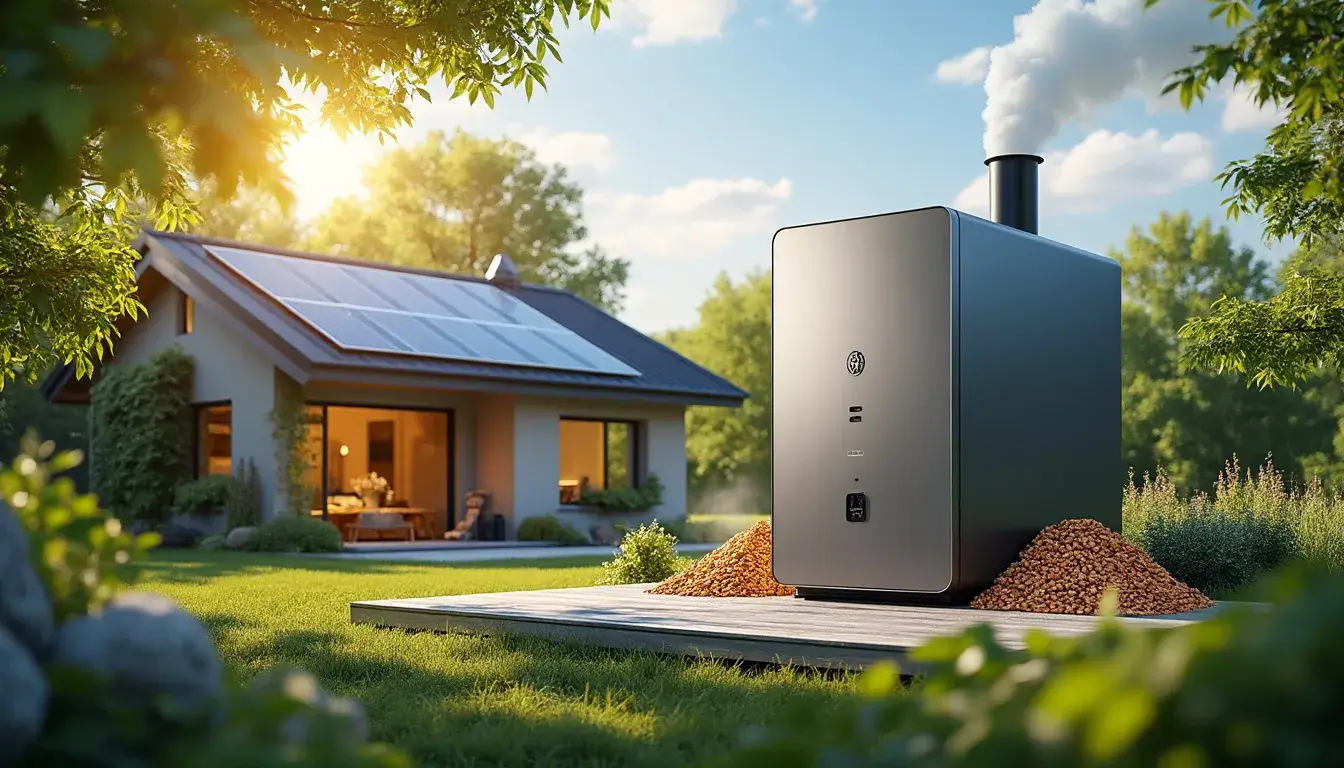
The operation of carbon-neutral biomass boilers: a sustainable solution for your heating
7 min read
Heating is at the heart of our concerns, especially in the face of growing environmental challenges and the need to reduce our carbon footprint. Amidst these reflections, biomass boilers emerge as an appealing option, combining thermal efficiency and respect for the planet. By using renewable resources to fuel our heating systems, they contribute to the energy transition that we all hope for. This article is a thorough exploration of these devices, providing information on their operation, different types, as well as the advantages and disadvantages involved.
What is a biomass boiler?
A biomass boiler is defined as a heating system that uses renewable organic matter as the main energy source. This matter can take various forms, ranging from wood pellets, logs, to agricultural residues. By using these resources, we have the opportunity to produce heat in a sustainable and eco-friendly manner.
The combustion of biomass to generate heat differs from traditional systems relying on fossil fuels. Not only does it use infinite resources like wood, but it also has the advantage of emitting less CO2 than fossil fuels. Finally, by integrating biomass boilers into our daily lives, we actively participate in reducing greenhouse gas emissions.
The different categories of biomass boilers
In the world of biomass boilers, several types are distinguished based on the type of fuel they use. Each of these types has its specifics, advantages, and disadvantages.
Wood pellet boilers: These boilers are highly valued for their automation and high efficiency. Wood pellets, produced from wood waste, provide a convenient and compact fuel.
Log boilers: Cheaper to purchase but requiring manual intervention for loading, they also require adequate storage space for logs.
Wood chip boilers: Primarily designed for large installations, they burn chips from industrial or forestry activities that require a constant supply.
Industrial biomass boilers: These boilers, used in industrial contexts, can burn various types of biomass, including agricultural residues, and are often integrated into systems that combine heat and electricity.
This diversity in types of biomass boilers allows for various needs to be met, whether for domestic or industrial use.
The advantages of using biomass boilers
The adoption of biomass boilers presents several notable advantages that make them an increasingly popular choice for domestic and industrial heating.
Eco-friendly and sustainable
One of the main advantages of biomass boilers is their environmentally friendly nature. By using renewable resources to generate heat, they contribute to the reduction of greenhouse gases. Unlike fossil fuels that release trapped CO2, the combustion of biomass only releases the carbon that plants have captured during their growth, making the process practically carbon-neutral.
Energy savings
Investing in a biomass boiler can also lead to savings in the long run. For those with access to low-cost fuel sources, like wood or agricultural residues, heating costs tend to decrease. Additionally, modern boilers often exhibit efficiencies exceeding 90%, optimizing energy efficiency.
Energy independence
A biomass boiler can reduce dependence on fossil fuels, which are often subject to price fluctuations. By choosing local resources, you not only support the local economy but also promote a welcome energy independence.
Financial incentives
Many governments provide subsidies or tax credits aimed at promoting the use of biomass boilers, which can alleviate the initial installation cost.
Advantages | Description |
|---|---|
Eco-friendly | Reduction of greenhouse gas emissions through the use of renewable organic matter. |
Economic | Long-term savings with a yield exceeding 90% in modern boilers. |
Energy independence | Utilization of local sources to reduce risks related to fuel price fluctuations. |
Financial assistance | Subsidies and tax credits offered by governments to encourage the installation of biomass boilers. |
The disadvantages of biomass boilers
Despite these numerous advantages, the use of biomass boilers presents some disadvantages that should be examined carefully.
Installation costs
One of the main barriers to the adoption of biomass boilers lies in the initial installation cost, which can be significant. Pellet boilers, for instance, often require specific storage and feeding systems, impacting the overall budget.
Storage requirements
The biomass sector also requires adequate storage space. Whether for pellets or logs, a dry location is essential, which may pose a problem for homes with limited space.
Regular maintenance
Biomass boilers require regular maintenance to function effectively. This includes cleaning ash and checking the components of the device. This maintenance, while not excessively complex, requires a commitment of time and resources.
Fuel variability
The availability and costs of fuels can vary depending on your region and the seasons. This variability can affect operating economics and the practicality of using a biomass boiler.
The operation of biomass boilers
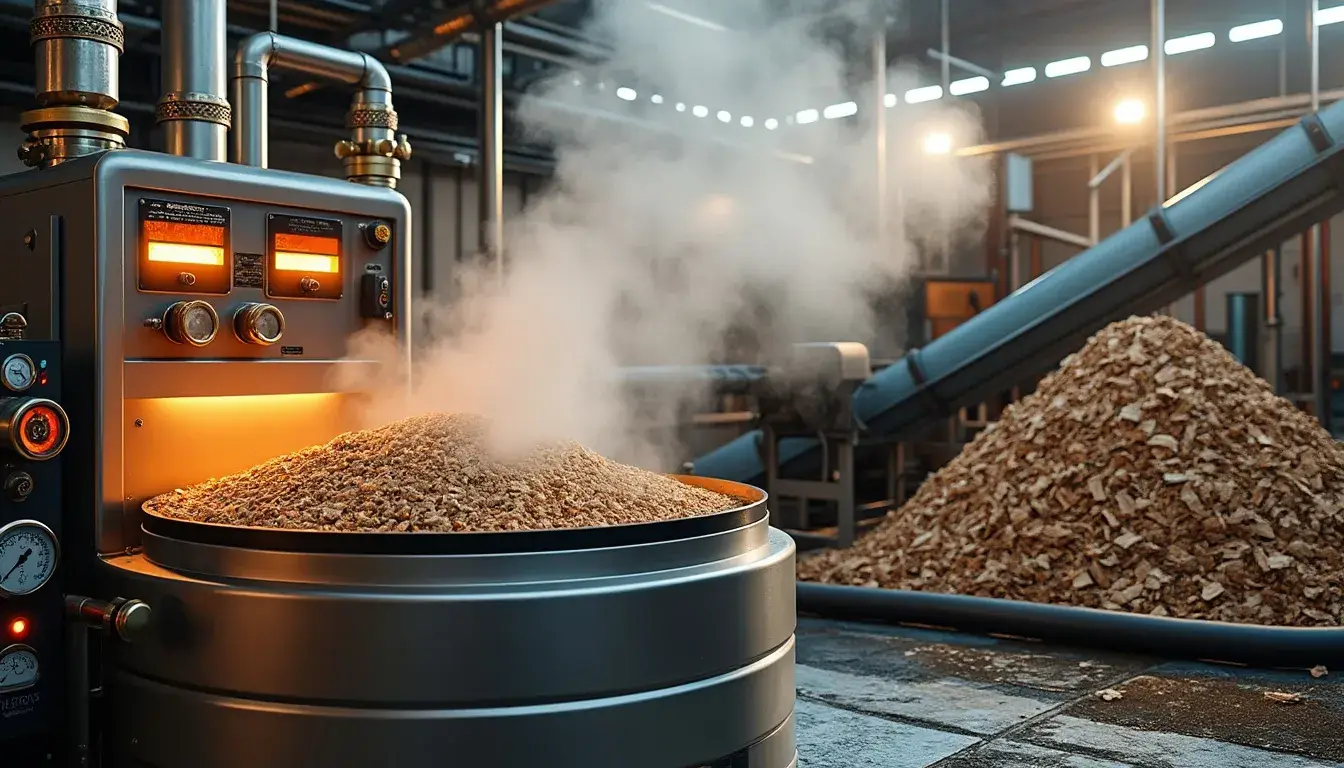
Understanding how a biomass boiler operates allows for a better assessment of its performance and advantages. Although different in design, most systems operate on a combustion principle.
Key steps in operation
The process begins with the fuel supply, which varies depending on the type of boiler:
Fuel supply: Pellets or logs are placed in the boiler. Pellet systems often use a screw conveyor to transport the fuel to the combustion chamber.
Combustion: Once the fuel is in place, it is ignited. Air is blown into the chamber to promote combustion. Modern boilers are equipped with control systems that regulate the supply of air and fuel based on demand.
Heat production: The heat generated by combustion is used to heat water or air, depending on the type of system. In a hot water boiler, water then circulates to supply the home's heating system.
Flue gas evacuation: The combustion gases are evacuated through a flue. Boilers equipped with filters and depollution systems further reduce pollutant emissions from combustion.
The installation of a biomass boiler
Before installing a biomass boiler, several factors must be considered to ensure its proper operation and harmonious integration into your heating system.
Needs assessment
It is crucial to start with an assessment of your heating needs. This includes analyzing the size of the space to heat, insulation, and specific hot water needs. Consulting a professional is strongly recommended for an accurate assessment.
Choosing the boiler
The type of boiler to choose will depend on several factors, such as fuel availability and storage space. Pellet boilers often offer better practicality, while log boilers may be more economical to purchase.
Regulations and standards
Before installing your boiler, it is essential to comply with local regulations, including safety standards and flue gas evacuation requirements. Always check with the relevant authorities to ensure compliance.
Factors to consider | Details |
|---|---|
Needs assessment | Analysis of the space size, insulation, and hot water needs. |
Choosing the boiler | Consideration of fuel availability and budget. |
Regulations | Compliance with safety and flue gas evacuation standards. |
Maintenance of a biomass boiler
The proper functioning of a biomass boiler depends on regular maintenance. Here are some recommendations to follow.
Regular cleaning
Ensuring preventive maintenance includes periodic cleaning of ashes and checking internal components. This maximizes the efficiency of the boiler and extends its lifespan.
Checking components
Particular attention should be paid to regularly checking major components such as the burner and fans. This allows for the quick detection of any potential issues.
Professional maintenance
It is also advisable to engage a professional at least once a year for in-depth maintenance. This includes safety checks, emissions testing, and necessary adjustments for optimal combustion.
Alternatives to biomass boilers
While biomass boilers offer many advantages, there are also other alternatives available in the eco-friendly heating market.
Gas boilers: Easy to install and offering good energy efficiency, they are nevertheless dependent on fossil fuels.
Heat pumps: These systems use energy from the air or ground. They are particularly suitable for well-insulated homes and can significantly reduce heating costs.
Solar heating: By exploiting solar energy, thermal panels can heat water or supply an electric heating system, although they require a more considerable initial investment.
Oil boilers: Less popular now due to their environmental impact and the risk of oil price fluctuations.
Heating options | Advantages |
|---|---|
Gas boilers | Simple installation and good energy efficiency. |
Heat pumps | Energy efficiency and significant reduction in heating costs. |
Solar heating | Utilization of renewable energy, reducing long-term energy bills. |
Oil boilers | Less usage due to their environmental impact. |
FAQ about biomass boilers
What types of combustible materials are used in biomass boilers?
Biomass boilers can use various fuels, such as wood pellets, logs, wood chips, and even agricultural residues.
Do biomass boilers require special maintenance?
Yes, regular maintenance is necessary to ensure optimal functioning, including cleaning ashes and checking essential components.
What financial assistance is available for installing a biomass boiler?
Many governments offer subsidies or tax credits to encourage the installation of biomass boilers. This helps reduce the initial installation cost.
Are biomass boilers really carbon-neutral?
Yes, the combustion of biomass is considered carbon-neutral because it releases only the CO2 absorbed during the plant's growth. However, it is crucial to manage the resource sustainably.
How do I choose between a pellet boiler and a log boiler?
The choice will depend on your specific needs, budget, and available storage space. Pellet boilers offer more convenient use, while log boilers may be more economical to purchase.