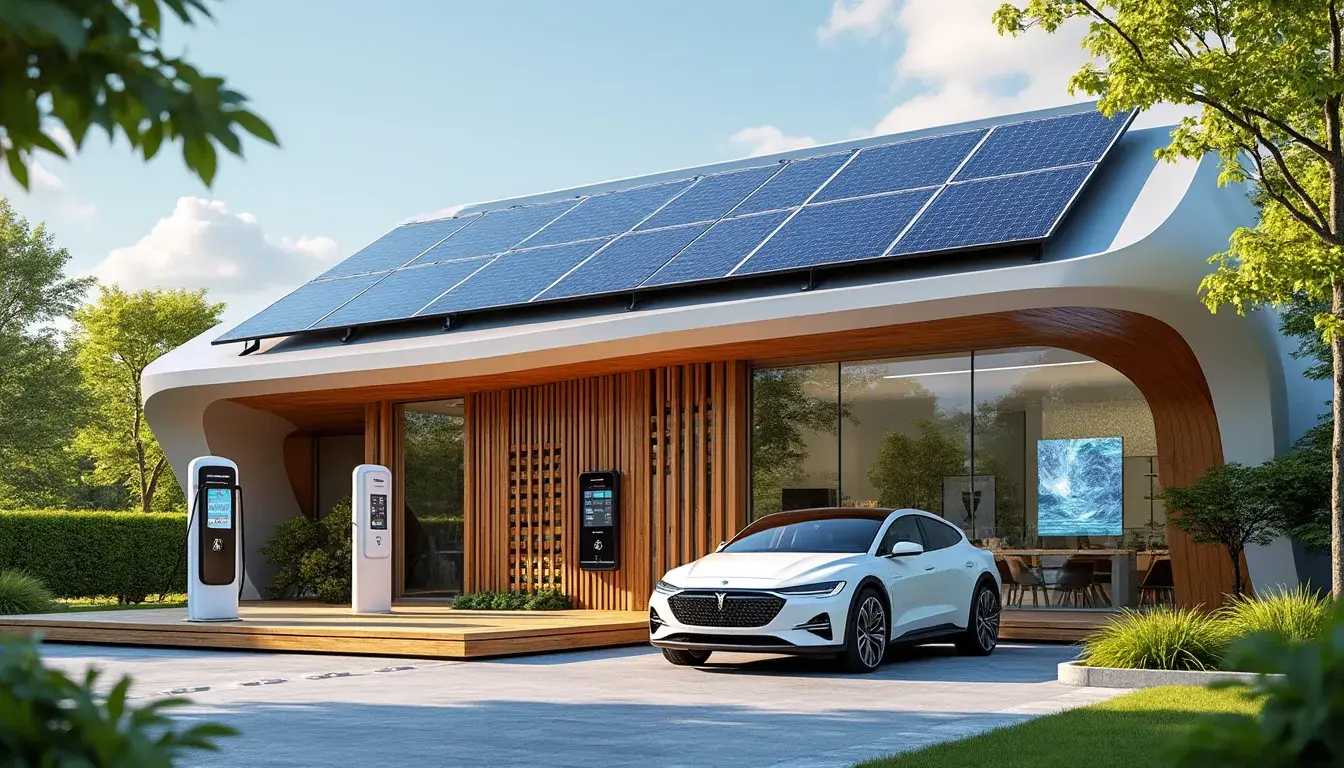
Understanding the autonomous hybrid system: an energy solution combining solar, wood, and electricity
5 min read
In a world where the search for autonomous energy is becoming increasingly urgent, hybrid solutions are emerging as innovative and sustainable answers. By combining renewable energy sources such as solar and wood, these hybrid systems blend efficiency and flexibility. In 2025, with rising environmental concerns and challenges related to traditional networks, exploring these options becomes crucial for both individuals and businesses. This article aims to decode the functioning, advantages, and challenges of autonomous hybrid systems, while highlighting technologies such as SolaireFusion, HybriTech, and EcoSolaire.
What is a hybrid energy system?
Hybrid energy systems are installations that combine multiple energy sources to ensure a continuous and reliable power supply. Unlike traditional installations, which often rely on a single resource, these systems offer an integrated and adaptable approach that can adjust to fluctuations in energy demand.
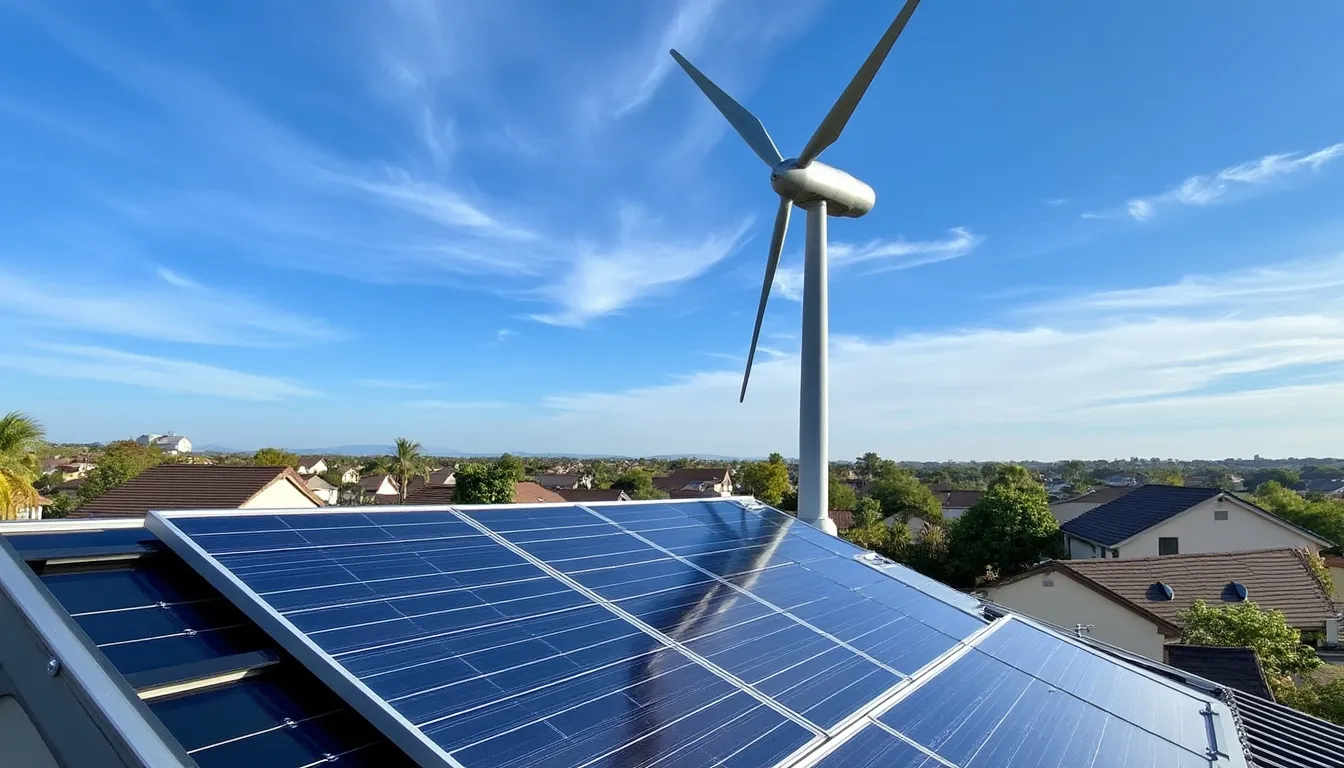
Definition of hybrid energy systems
A hybrid energy system can integrate sources such as solar, wind, and battery storage. By uniting these different energies, we maximize efficiency and minimize service interruptions. For example, in a system that combines solar energy and wind energy, photovoltaic panels can produce electricity during the day, while wind turbines provide a power source when the wind blows, especially at night.
Reasons to choose a hybrid solution
Continuity of supply: Ensures uninterrupted supply in case of failure of an energy source.
Cost reduction: Optimizing the use of renewable energies reduces dependence on fossil fuels, resulting in long-term savings.
Reduced environmental impact: Promotes energy transition by decreasing greenhouse gas emissions.
Flexibility: These systems can be adjusted according to the specific needs of each user.
Components of a hybrid system
An autonomous system typically consists of the following elements:
Component | Function |
|---|---|
Solar panels | Produce electricity from solar energy. |
Wind turbines | Generate electricity using wind power. |
Storage batteries | Store excess energy for later use. |
Converters | Transform the produced energy into alternating current. |
Energy management system | Coordinates the optimal use of generated energy. |
The different hybrid solutions for energy autonomy
In recent years, several configurations of hybrid systems have emerged, offering various alternatives to achieve autonomous energy.
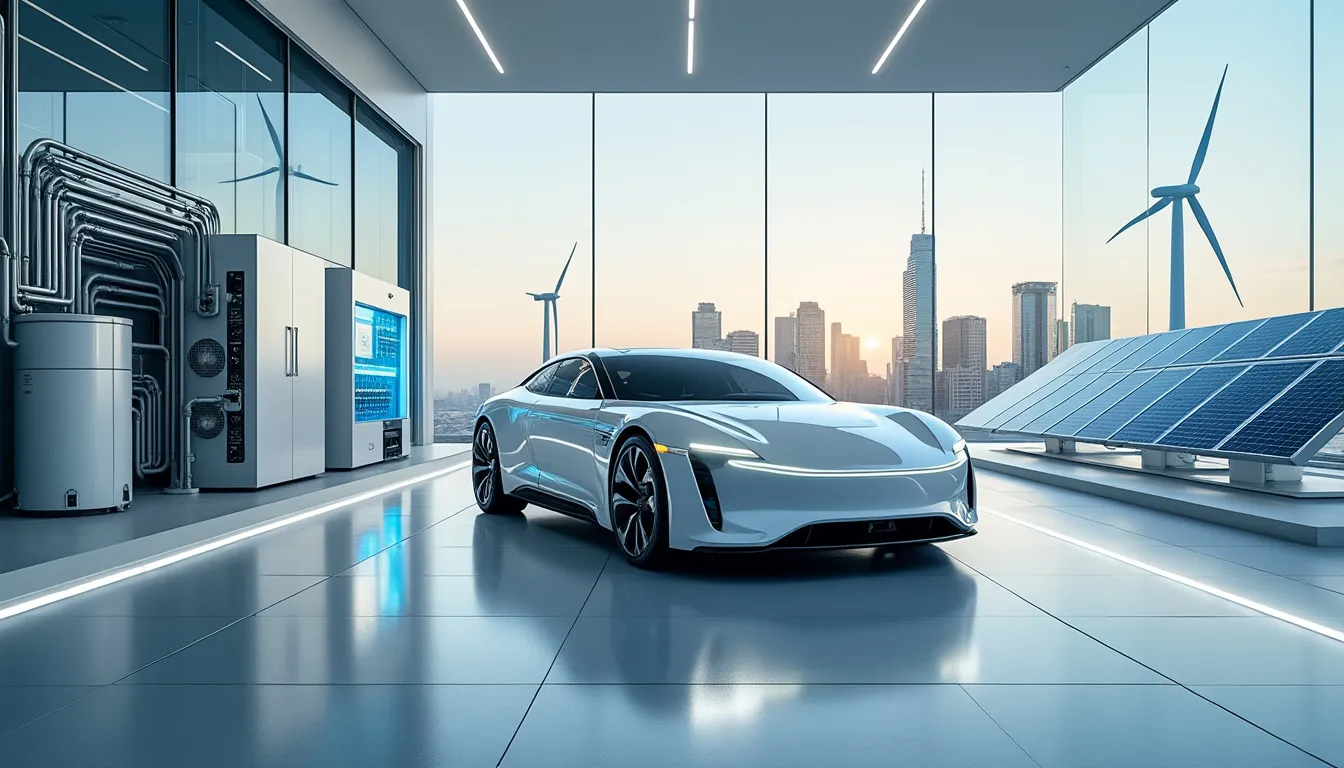
Solar and wind hybrid systems
Systems that combine solar and wind power are particularly effective in areas where both resources are available in complementarity. On a sunny day, solar panels take over, while wind turbines can provide energy during nights or cloudy times. This integration ensures a consistent supply throughout the year.
Solar and battery hybrids
For isolated areas seeking to maximize their energy independence, systems that couple solar installations with storage batteries are particularly suitable. The energy collected during the day is used to meet nighttime needs. This approach is ideal for off-grid homes.
Hybrid systems integrating geothermal energy
These devices, which harness geothermal heat, are typically paired with solar panels. They allow for effective energy management of buildings, particularly in temperate regions where heating represents a significant portion of needs. By combining geothermal energy and solar technologies, we create installations that are both stable and sustainable.
The advantages of hybrid solutions for energy autonomy
The benefits of a hybrid system are numerous and essential for ensuring a sustainable approach to current energy challenges.
Reliability and resilience
Hybrid systems are particularly robust. By relying on various energy sources, they ensure a continuity of supply even in case of unforeseen circumstances. When one source fails or becomes intermittent, the others can compensate, thus ensuring essential longevity especially for isolated sites.
Optimization of energy costs
They significantly reduce energy costs. With decreased dependence on fossil fuels, effective energy management through storage systems allows users to maximize savings. Users can thus better anticipate their expenses and avoid fluctuations in energy prices.
Reduction of carbon footprint
Limiting the use of diesel generators.
Promoting renewable energies.
Complying with environmental standards.
The challenges of adopting hybrid solutions
Although the advantages are many, there are obstacles to the implementation of hybrid systems.
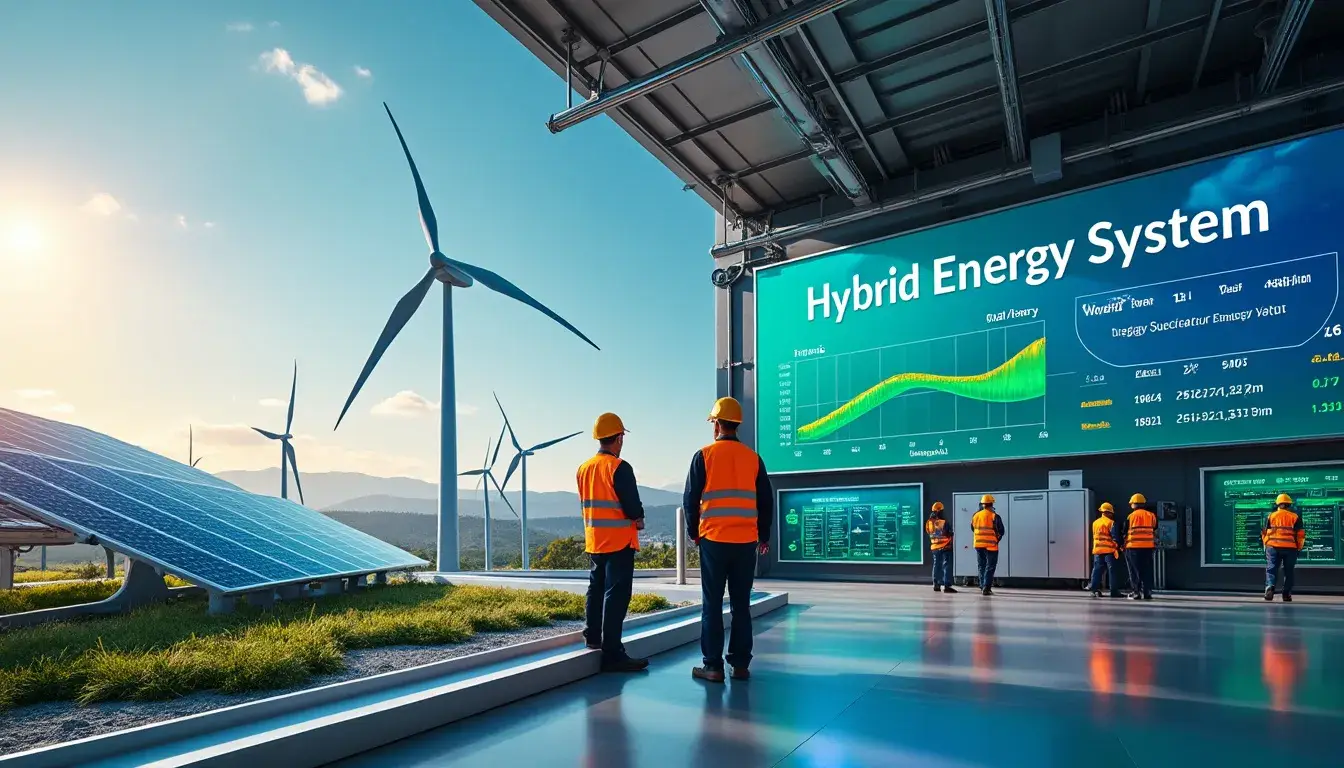
Initial cost and installation complexity
One of the main challenges lies in the initial investment. The costs of purchasing and installing solar panels, wind turbines, and batteries can quickly rise. Additionally, the need for qualified professionals for the integration of components often complicates matters.
Management and maintenance
It is essential to manage these systems with rigor. The coordination between various sources requires technical skills and constant attention. Preventive maintenance is necessary to ensure that each element functions efficiently, which can represent an additional cost for some users.
Regulation and standards
Regulations vary significantly from one region to another and can hinder the adoption of these solutions. This includes restrictions on the installation of solar or wind equipment as well as on energy storage. A lack of subsidies or financial aid for hybrid systems may also deter households and businesses from embarking on this path.
The future outlook for hybrid solutions
The development of renewable technologies offering hybrid solutions is on the brink of a major transformation.
Technological innovations
It is clear that innovation plays a decisive role in the future of hybrid solutions. Continuous improvements in the efficiency of solar panels, the miniaturization of wind turbines, and advances in storage technologies allow for the optimization of each system. Advanced energy management tools and the integration of artificial intelligence also facilitate the implementation of these systems.
Integration with smart grids
Smart grids represent a paradigm shift in energy efficiency. By integrating hybrid systems into these networks, it becomes possible to redistribute excess energy or store it. This enhances the resilience of the grid and promotes self-consumption.
Towards large-scale energy autonomy
Advances in technology and a growing awareness of environmental issues make hybrid systems a model of the future for energy autonomy. Costs continue to decline, making these solutions increasingly accessible.
FAQ about autonomous hybrid systems
What is a hybrid system?
A hybrid system combines multiple energy sources, such as solar and wind, to ensure a constant and sustainable supply.
What are the advantages of a hybrid system?
Hybrid systems ensure continuity of supply, reduce energy costs, and limit environmental impact.
What are the challenges of adopting hybrid systems?
Initial installation costs, management complexity, and regulations can pose obstacles to adoption.
How to ensure the proper functioning of a hybrid system?
Regular maintenance and proactive management of the different components are essential to maintain the efficiency of the system.
Are hybrid systems suitable for isolated residences?
Yes, hybrid systems are particularly suitable for isolated homes seeking to maximize their energy independence.