
When should you really turn off your heating this year to avoid an excessive bill?
7 min read
With the climate fluctuations of recent years, determining the ideal time to turn off your heating has become a major issue. In 2025, spring temperatures showed encouraging signs, allowing many households to make substantial savings. But how can one ensure to make the right decision at the right time?
Discover in this article effective strategies to optimize your energy consumption while maintaining optimal comfort in your home.
Importance of Gradually Regulating Heating
Adopting a gradual approach to reducing your heating can significantly impact your energy consumption. Rather than turning off the heating completely as soon as a ray of sunshine is felt, it is wiser to decrease the temperature progressively.
Advantages of Progressive Reduction
A gradual decrease not only allows you to control your energy bill but also preserves the integrity of your heating system. By reducing the setpoint temperature in increments, for example from 21°C to 19°C, you can achieve notable savings without feeling significant discomfort.

According to TotalEnergies, each degree above 20°C results in an overconsumption of approximately 7%. Maintaining a minimal temperature also prevents having to consume more energy to heat a completely cooled house, especially in poorly insulated homes.
Consequences of a Sudden Shutdown
Turning off your heating completely as soon as temperatures start to rise may seem tempting, but this practice comes with risks. Restarting heating after a total shutdown often requires more energy than maintaining a slightly reduced temperature.
A sudden shutdown can also cause humidity issues and affect indoor air quality, especially in poorly insulated homes.
To avoid these inconveniences, prefer a gradual decrease in temperature while monitoring external conditions.
Key Threshold: 15°C Outside During the Day
The time to turn off your heating is not based solely on a fixed date but rather on a set of stable climatic conditions. The key threshold identified by ADEME is reached when outside temperatures stabilize around 15°C during the day over several consecutive days.
Understanding the Key Threshold
At this threshold, your home, if properly insulated, can maintain an indoor temperature of about 19°C without assistance. This allows for optimal comfort while reducing energy consumption.
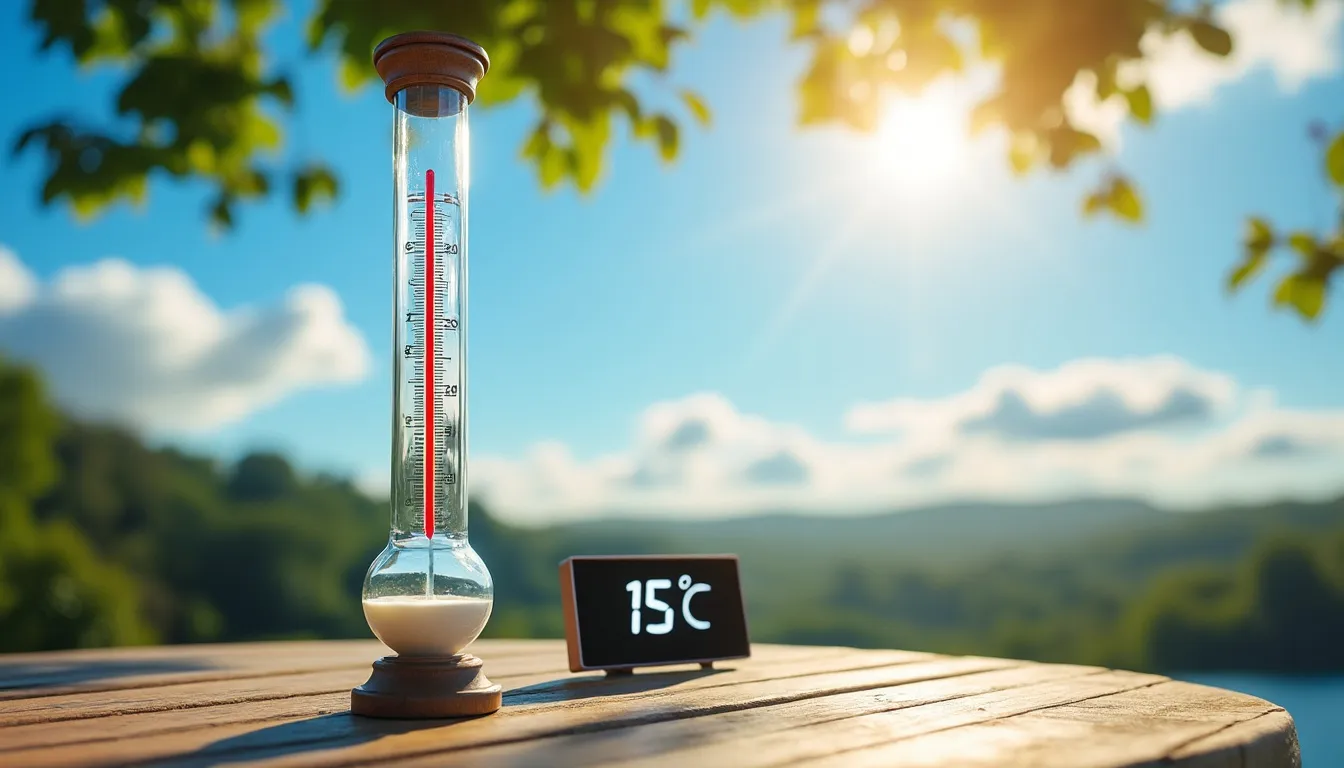
This approach takes into account daily and nightly variations, thus ensuring continuous adaptation to climatic conditions.
Regional Forecasts for 2025
The indicative heating shutdown periods vary by region. In 2025, the trend is towards milder temperatures, allowing for an earlier transition in certain areas.
Region | Indicative Shutdown Period | Target Outside Temperature | Specific Advice |
|---|---|---|---|
North, Île-de-France, East | End of March – Early April | > 15°C day / > 8°C night | First reduce to 18-19°C gradually |
Southwest, Centre, Brittany | Mid-March – End of March | > 15°C day / > 10°C night | Take advantage of sunlight during the day |
Southeast, Mediterranean | Early – Mid-March | > 16°C day / > 10°C night | Possible early shutdown from March |
Mountain Areas | April – Early May | > 14°C day / > 6°C night | Maintain a minimum temperature |
Variability Based on Climatic Conditions
It is crucial to monitor weather forecasts over an entire week rather than basing decisions on a single day. A rising temperature trend over several days ensures a smooth transition.
Each year, climatic conditions can vary, thus affecting the ideal date to turn off heating. Milder winters allow for a quicker reduction in energy consumption.
Monitor forecasts over a complete week.
Adapt the shutdown based on temperature trends.
Regularly check local weather reports.
Specifics of Collective Heating
In buildings equipped with collective heating, the heating period management is often defined by the co-ownership regulations or by the syndic. This management must align with climate recommendations to optimize energy consumption.
Regulations and Recommendations
In France, the conventional heating period generally runs from October 15 to April 15. However, this period can be adjusted depending on local climatic conditions and the specifics of each co-ownership.
Some co-owners choose to adapt the heating shutdown based on actual temperature drops, while others prefer to adhere to fixed dates. It is therefore essential to check the regulations specific to your residence.
Adapting Shutdown in Co-ownership
If temperatures rise earlier than expected, it is possible to propose an early heating shutdown request during general assemblies. This flexibility allows for additional savings while maintaining the residents' comfort.
Check the co-ownership regulations.
Participate in syndic meetings to discuss adjustments.
Propose alternative solutions for vulnerable residents.
To learn more about managing collective heating, visit Prime Coup de Pouce Chauffage.
Other Criteria to Consider
In addition to outside temperature, other factors play a key role in the decision to turn off or reduce heating. The insulation of your home and individual thermal comfort are key elements to consider.
Role of Insulation
Good insulation allows for better retention of heat accumulated during the day, thus facilitating an earlier reduction in heating. Conversely, insufficient insulation may require maintaining a light heat for longer to avoid feeling cold.

Investing in insulation improvements can not only reduce your energy bills but also increase the comfort of your home throughout the year.
Individual Thermal Comfort
Each person perceives the cold differently. Young children, the elderly, or those suffering from certain medical conditions are particularly sensitive to temperature variations. In such cases, it is crucial to adjust the heating shutdown to ensure the well-being of all occupants.
Assess the specific needs of each family member.
Maintain a minimum suitable temperature for the most vulnerable.
Use warm clothing and extra blankets if necessary.
For personalized advice, visit Prime Coup de Pouce Chauffage.
Good Practices for Accompanying the Shutdown
To successfully transition without discomfort or overconsumption, it is essential to adopt certain good practices. These small actions can make a big difference in managing your energy consumption.
Maximizing Natural Heat
Make the most of natural heat by optimizing sunlight entry during the day. Opening curtains and blinds when the sun is shining can significantly warm your interior without resorting to heating.
Similarly, closing shutters at night helps retain the heat accumulated during the day, thereby reducing heating needs.
Equipment Management
Equip yourself with programmable or smart thermostats to manage temperatures room by room more effectively. These devices allow for uniform temperature maintenance and help avoid energy waste.
Program your thermostat according to your daily habits.
Use smart thermostats for remote control.
Regularly monitor the performance of your equipment.
To learn more about thermal management systems, visit Prime Coup de Pouce Chauffage.
Adjusting According to Climate and Your Home
There is no universal date for turning off heating. Each home and each region has particularities that must be taken into account for optimal temperature management.
No Universal Date
The ideal date to turn off heating depends on multiple factors such as local climate, the insulation of your home, and your personal needs. In 2025, with more temperate seasons, many regions in France may consider an earlier shutdown.
However, it is essential to remain vigilant in the face of the latest cold spells to avoid any discomfort or health risks.
Personalized Strategy
Adopting a personalized strategy allows for maximizing savings while maintaining an appropriate level of comfort. Here are a few steps to achieve this:
Assess the insulation of your home.
Monitor local weather forecasts.
Gradually adjust the setpoint temperature.
Use complementary solutions to maintain warmth.
For a detailed analysis of your situation, consult Prime Coup de Pouce Chauffage.
Region | Indicative Shutdown Period | Target Outside Temperature | Specific Advice |
|---|---|---|---|
North, Île-de-France, East | End of March – Early April | > 15°C day / > 8°C night | First reduce to 18-19°C gradually |
Southwest, Centre, Brittany | Mid-March – End of March | > 15°C day / > 10°C night | Take advantage of sunlight during the day |
Southeast, Mediterranean | Early – Mid-March | > 16°C day / > 10°C night | Possible early shutdown from March |
Mountain Areas | April – Early May | > 14°C day / > 6°C night | Maintain a minimum temperature |
FAQ
At what outside temperature is it recommended to turn off the heating?
According to ADEME, it is reasonable to turn off the heating when outside temperatures stabilize around 15°C during the day over several consecutive days.What are the advantages of a progressive reduction in heating?
A progressive reduction allows you to save energy without feeling discomfort and avoids overconsumption related to restarting completely turned off heating.How to manage heating in a poorly insulated home?
In a poorly insulated home, it is advisable to maintain a minimum temperature to avoid having to consume more energy to reheat the space.What solutions can help preserve the natural heat of the home?
Opening curtains and blinds during the day to take advantage of sunlight and closing shutters at night to retain heat are effective solutions.How to adapt the heating shutdown in co-ownership?
It is recommended to check the co-ownership regulations and participate in syndic meetings to discuss adjustments based on local climatic conditions.
For more tips and advice, visit Prime Coup de Pouce Chauffage.