
Increased heating assistance: essential support in the face of energy poverty in 2025
4 min read
In a context where energy insecurity increasingly affects households, the French government has implemented a range of financial aids aimed at alleviating the burden of heating bills and encouraging energy renovation works. In 2025, it is essential to explore these devices that offer households the opportunity to benefit from significant financial support. Between private devices and state aids, let's review the available solutions to assist households in their energy transition.
Understanding Energy Insecurity and Its Impacts
Energy insecurity is a phenomenon affecting many households in France, impacting their ability to heat properly. This situation not only heavily burdens the household budget but also has negative repercussions on the health and well-being of residents. In the face of this growing issue, financial aids have been established to support the most vulnerable households.
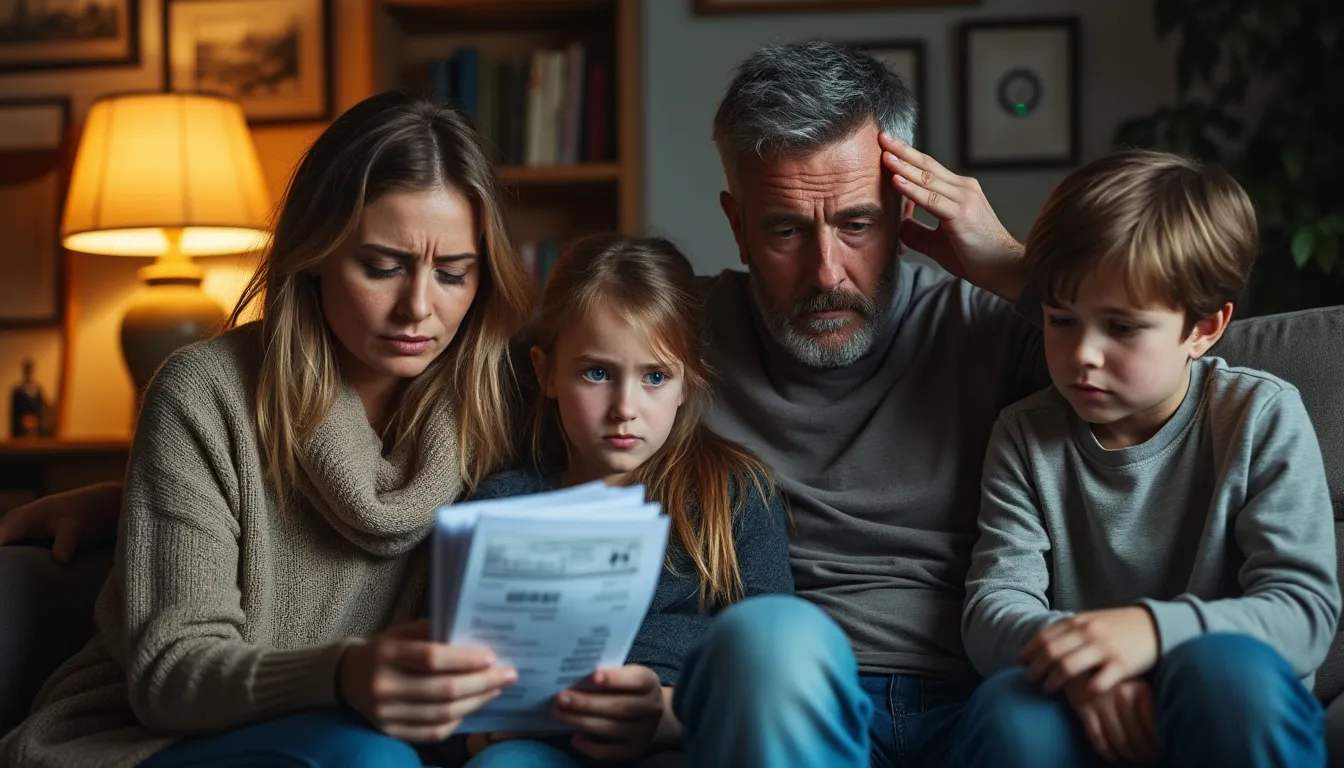
The Stakes of Energy Insecurity
Primarily, energy insecurity manifests as the inability to heat properly, which can lead to health risks, including respiratory illnesses related to a cold and damp environment. In France, according to a 2024 study, 20% of the population already lives in a state of energy insecurity, characterized by an insufficient income level to cover basic energy needs.
The consequences of this insecurity manifest not only in health but also in the overall quality of life. From an economic perspective, it translates into significant inequalities among households, further stressing those who are already struggling to make ends meet.
The Main Financial Aids in 2025 for Heating
Due to these stakes, the state and private institutions like Engie or EDF have established a range of mechanisms aimed at helping households reduce their heating bills. These aids can be divided into several categories, each with its own conditions and applications.
MaPrimeRénov’: The Key Aid for Energy Renovation
MaPrimeRénov’ is a program from the ANAH (National Housing Agency) aimed at encouraging energy renovations. Currently, this program is structured around three pathways:
MaPrimeRénov’ Accompanied Pathway: intended for comprehensive projects and without income conditions.
MaPrimeRénov’ Co-ownership: specifically for works on common areas.
MaPrimeRénov’ Gesture Pathway: for targeted and specific works.
This aid varies depending on the household's resources and the works carried out, allowing coverage of up to 45% of the cost depending on amounts and types of interventions.
Type of aid | Conditions | Amount of aid |
|---|---|---|
MaPrimeRénov’ Accompanied Pathway | Comprehensive projects, without income conditions | Up to 45% of costs |
MaPrimeRénov’ Co-ownership | Works on common areas | Up to 45% of costs |
MaPrimeRénov’ Gesture Pathway | Targeted works on a gesture | Variable amount depending on the type of intervention |
Energy Check: Aid for Daily Life
The energy check is another measure established to help modest households. This aid is allocated automatically, without any steps to take, and varies each year. In 2025, the amount of the energy check can range from 48 to 277 euros and can be used for:
Paying energy bills.
This device is a major asset for low-income households, allowing them to balance budget and thermal comfort.
Additional Devices to Assist Heating Financing
The government is not the only actor in the fight against energy insecurity. Companies like Total Direct Energie and Groupe La Poste also offer support through various incentive programs and aids. Among them, let's mention:
Heating Boost
The Heating Boost system allows households to receive assistance to replace their old heating system with more ecological and efficient models. Accessible to all households, this aid is cumulative with MaPrimeRénov’ and other supports such as the zero-interest eco-loan.
Eligibility conditions: low income and installation of efficient equipment
Amounts of premiums: vary depending on the type of equipment and the income level of the household
Zero-Interest Eco-Loan: Financing Renovation Works
Designed to help homeowners carry out energy renovation works, the Eco-PTZ does not require interest and is available to a wide audience, including rental property owners. This loan can finance up to 50,000 euros depending on the scope of the works carried out, thus covering renovations such as:
Thermal insulation
Replacing heating systems
Improving sanitation systems
By turning to modern installations, households can not only reduce their energy consumption but also improve their daily comfort.
Regional and Local Aids
In addition to national aids, local authorities play a crucial role in supporting energy renovation. Many regions and departments offer subsidies and low-interest loans, often combinable with national schemes. Each locality may have specific criteria, and it is advisable to inquire directly with the services in charge of housing or energy.
Direct subsidies for insulation works
Low-interest loans for renovation
Accompaniment programs and personalized advice
Therefore, it is essential to consult your local authority's website to maximize available aids and benefit from financial support tailored to your situation.
FAQ: Financial Aids for Heating in 2025
What are the main aids available for energy renovations in 2025?
The main aids in 2025 include MaPrimeRénov’, the energy check, the Heating Boost, and the zero-interest eco-loan.
How can I find out if I am eligible for the energy check?
To find out if you are eligible, you must check your income and the composition of your household through the online simulator provided by the administration.
Can I combine different financial aids for my renovation works?
Yes, many aids can be combined, such as MaPrimeRénov’ and the Heating Boost, to maximize the financing of your projects.
How can companies like EDF or Engie help me?
These companies offer financial aid schemes and advice to optimize your energy consumption and improve your heating system.
Where can I find information about local aids available?
It is recommended to consult your local authority's website or contact the services in charge of energy to learn about the specific aids you can benefit from.
These measures constitute a real lever to reduce energy insecurity and improve the thermal comfort of households in 2025. With varied and accessible aids, households can undertake the necessary changes for a more efficient and sustainable habitat.