The available aids in Hauts-de-France to combat energy insecurity related to heating
4 min read
Energy poverty is a crucial issue affecting many households in France, particularly in the Hauts-de-France region. Faced with excessively high heating bills, a large part of the population finds themselves in a delicate situation where access to comfortable warmth in their homes becomes a real challenge. In 2025, measures to support the reduction of energy poverty will be strengthened, and several aids will be made available to the residents of this region. This article aims to enlighten you on the various aids available to combat energy poverty related to heating and guide you towards solutions tailored to your situation.
Understanding energy poverty in Hauts-de-France
Before discussing the available aids, it is essential to define what energy poverty is. According to the Grenelle 2 law of July 10, 2010, a person is considered to be in a situation of energy poverty if they cannot access the energy necessary for their basic needs, due to their resources or inadequate housing.
Legislative definition and indicators of energy poverty
The National Observatory of Energy Poverty (ONPE) highlights several indicators to measure this phenomenon:
Energy effort rate (EER): a household spending more than 10% of its income on energy expenses and belonging to the 30% of the poorest households is considered to be in energy poverty.
Low-income products, high expenses (LIHEAP): this measure identifies low-income households that pay energy bills higher than the national median.
Subjective feeling of thermal discomfort: this criterion assesses how many households feel discomfort due to cold in their homes.
In 2022, approximately 10.8% of households in France were in energy poverty, a figure that highlights the urgency to act.
The situation in the Hauts-de-France region
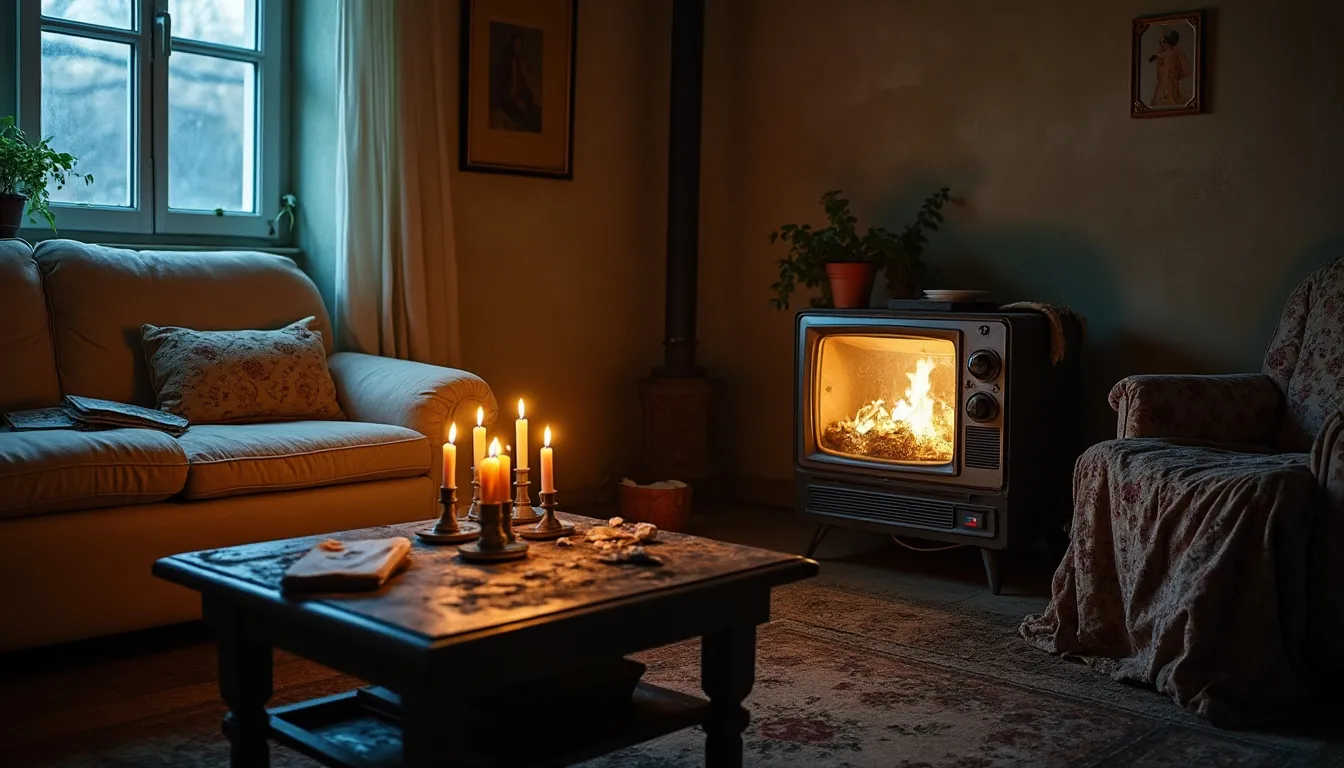
In Hauts-de-France, the challenges related to energy poverty are real. With temperatures often low during the winter, many households struggle to heat their homes effectively, leading to difficult choices between heating and feeding themselves. Accessing adequate assistance is therefore crucial for these families.
The various financial aids in Hauts-de-France
To address the energy poverty situation of households, various aids are set up by the State, local authorities, as well as other partners like ANAH, departmental councils, and numerous associations.
The energy voucher
The energy voucher is one of the flagship measures to assist low-income households in coping with their energy expenses. In 2023, nearly 5.6 million households benefit from it, with an average amount of 150 euros that can go up to 277 euros per year. This aid is sent directly to the beneficiaries and can be used to pay energy bills, regardless of the heating method used.
Energy renovation aids
Programs like MaPrimeRénov’ are implemented to support households in renovating their homes. This measure is designed to help improve the energy performance of houses, with several aid pathways:
Pathway by gesture for specific works such as changing heating systems or improving thermal insulation.
Accompanied pathway for more complex works involving at least two gestures.
These grants can significantly reduce the cost of renovations and improve the comfort and energy efficiency of homes.
Type of aid | Average amount | Conditions |
|---|---|---|
Energy voucher | Up to 277 € | Low incomes |
MaPrimeRénov’ | Variable | Owner-occupants with resource conditions |
Variable | No income conditions |
The stakeholders mobilized to help households
Several organizations play a key role in the implementation of these aids in the Hauts-de-France region. Here are some of the main actors:
ANAH (National Agency for Housing Improvement): it finances energy renovation works and helps households access other subsidies.
Family Allowances Fund (CAF): it provides financial support to households in difficulty.
Partenord Habitat: this organization offers accommodation solutions tailored to the needs of the most vulnerable.
Departmental Council: intervenes in financing local programs dedicated to the issue.
These various organizations unite their efforts to reach as many households as possible and improve their energy situation.
Measures for energy renovation works
In addition to financial aids, several measures are in place to encourage renovation works. Here are some initiatives to be aware of:
Reduced VAT at 5% for works improving energy performance.
Zero-rate eco-loan: this loan allows financing the remaining costs of renovation works without paying interest.
These measures aim to encourage households to invest in the energy efficiency of their home, a crucial step in combating energy poverty.
FAQ - Frequently asked questions about aids for energy poverty
1. What is the energy voucher and how can I obtain it?
The energy voucher is a direct aid for low-income households. It is automatically allocated based on income declarations.
2. Can I combine multiple aids for my renovation works?
Yes, many aids can be combined, including MaPrimeRénov’ and the zero-rate eco-loan.
3. What types of works are eligible for aids?
Works improving energy performance, such as insulation, changing heating systems, or using renewable energies, are generally eligible.
4. Who can benefit from the energy voucher?
The energy voucher is intended for households with low incomes, and its amount depends on the income and household composition.
5. Where can I apply for MaPrimeRénov’?
Applications can be made online, on the official MaPrimeRénov’ website or through similar aid platforms.