
What heating aids are available for rural areas not served by gas?
4 min read
In a world where energy plays a predominant role, optimizing heating has become a crucial issue, particularly for rural areas that are not serviced by gas. Energy savings, respect for the environment, and thermal comfort are major concerns for many families. However, changing heating methods can represent a significant investment. That is why it is essential to know the various financial aids available to alleviate this burden. This article aims to provide an overview of heating aids that households can request to improve their comfort while adhering to their budget.
Government assistance for changing heating methods
The transition to more sustainable heating systems is supported by several programs. Among them, MaPrimeRénov stands out as one of the main aids from the French government, facilitating energy renovation work. This aid aims to encourage households to invest in more efficient and environmentally friendly solutions.
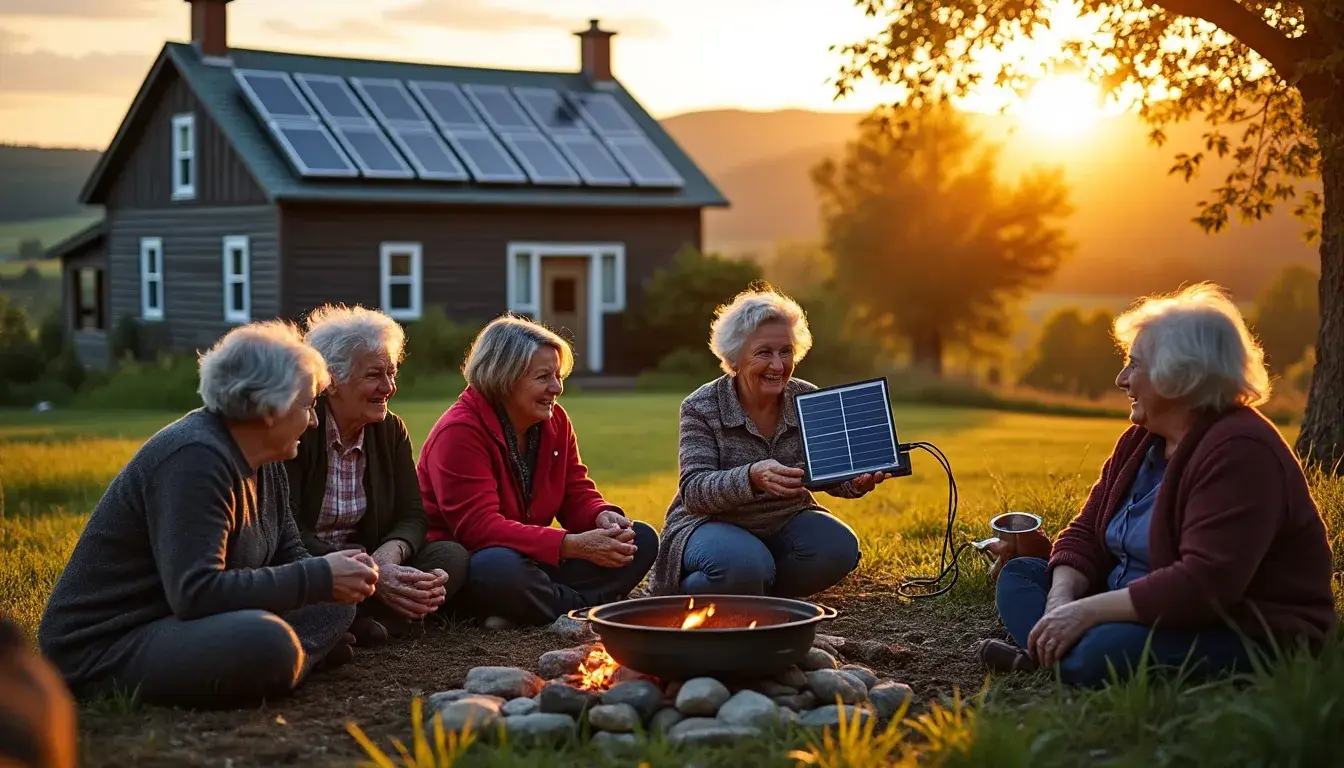
MaPrimeRénov: an essential aid
Since its launch, MaPrimeRénov has been designed to meet the diverse needs of households. In 2025, it remains a cornerstone for financing heating work, with variable amounts depending on resources and projected commitments. Here’s what you need to know:
Eligible works include the installation of biomass boilers, thermal solar panels, and high-performance heating equipment.
Aid amounts can reach up to 20,000 euros, depending on the household's financial situation and the nature of the work.
Households must ensure they hire recognized environmentally friendly craftsmen (RGE) to benefit from the aid.
Specific aids based on equipment type
When selecting new heating systems, different options are available, and each can benefit from specific financial support. Here’s an overview of options for households inclined towards innovations.
Installing solar panels: a sustainable investment
The installation of solar panels is an excellent option to reduce heating costs while respecting the environment. Moreover, in cases of excess energy production, households can benefit from financial compensation by selling this energy.
Available aids:
Energy Transition Tax Credit (CITE): allows deduction of up to 30% of the costs of works.
Subsidies from Anah: for low-income households.
Through partnerships with companies like EDF Energies Nouvelles or Engie, individuals can also benefit from advice and tailored support.
Boiler replacement: towards greater efficiency
Replacing an old boiler with a more efficient model is a critical step. This action not only helps reduce bills but also contributes to energy conservation. To support this change, several aids exist:
Energy Voucher: assistance that can finance part of the work.
Energy Savings Certificates (CEE): bonuses to encourage households to opt for less energy-consuming equipment.
Companies such as TotalEnergies and Butagaz also offer suitable solutions for boilers and fuel storage, essential in rural areas.
Digital solutions and management options
Innovation in the heating sector is not limited to equipment. Integrating technology into energy consumption management is crucial. This is where connected thermostats, increasingly popular, come into play.
Connected thermostats: an impersonal but effective aid
The Connected Management Assistance initiative allows households to receive assistance for acquiring and installing smart thermostats. These devices, connected via a smartphone, allow optimal temperature management in each room, significantly reducing energy consumption.
Amount of aid: between 260 and 624 euros, depending on the size of the housing.
Eligibility: housing over two years old with an independent heating system.
Focus on insulation aids
Improving the energy efficiency of a home also requires insulation. Targeted aids exist to encourage households to undertake insulation work, whether it involves walls, roofs, or windows.
Insulation aid programs
Specifically, several national or local aids help owners to start insulation work:
MaPrimeRénov: also applicable to home insulation.
Eco-PTZ: zero-interest loan to finance energy renovation work.
VAT reduction: applicable to certain energy improvement work.
The Prime Air Bois: a breath of fresh air in heating
For households wishing to turn to wood heating solutions, the Prime Air Bois represents significant assistance. Indeed, the objective of this initiative is to replace old heating devices with modern and less polluting installations.
Eligibility conditions and amounts
To benefit from this aid, certain conditions must be met:
Replacement of an old device, dating back to before 2002.
The new equipment must be certified Flamme Verte or approved according to the ADEME register.
The amount of the Prime Air Bois varies between 500 and 3000 euros, depending on the rules in force in the local authority concerned. In a context where many local authorities are mobilizing for the energy transition, it is pertinent to inquire about the support available at the local level.
Summary list of heating aids
Aid | Type of Equipment | Amount | Eligibility |
|---|---|---|---|
MaPrimeRénov | Boilers, insulation, solar panels | Up to €20,000 | Depends on income and works |
Energy Voucher | Heating, insulation | Variable | Owners and tenants |
CEE | Heating equipment | Variable | Household resources |
Prime Air Bois | Wood heating devices | €500 to €3,000 | Devices before 2002 |
Connected Management Assistance | Connected thermostats | €260 to €624 | Residences with independent heating |
FAQ on heating aids
What are the main aids for changing heating?
The main aids include MaPrimeRénov, CEE, Energy Voucher, and Prime Air Bois.
Is it possible to combine several aids?
Yes, several aids can be combined, notably MaPrimeRénov with local aids, the Energy Voucher, and other programs.
Who can benefit from these aids?
The aids are accessible to owners and tenants, under certain conditions related to the type of work and financial resources.
How to apply for aid?
To apply for aid, you need to prepare the necessary supporting documents, contact a professional, and often initiate the work before submitting the application.
Are aids valid in all regions?
Yes, but some local aids may vary by region. It is advisable to consult your departmental or municipal council to learn about the specific aids you may benefit from.