
How to benefit from staggered payments for your heating work at no cost?
4 min read
Every year, many French people make the wise choice to replace their old heating systems, which are often energy-intensive, with modern installations that are more environmentally friendly. The issues related to the energy transition are becoming increasingly important in our lives. To support this change, several financial aids offer households advantageous financing solutions, notably the Heating Boost Grant. This article presents how to benefit from this aid in 2025 and offers practical advice for staggered payments for your work at no cost. Let's discover together the keys to this initiative that aims to save money while preserving our planet.
What is the Heating Boost Grant?
The Heating Boost Grant is an initiative set up to encourage individuals to replace their old heating systems with high-performance and eco-friendly equipment. The goal of this approach is to reduce energy consumption and lower greenhouse gas emissions.
Starting in 2025, this aid, implemented by energy suppliers, falls under the Energy Savings Certificates (CEE) scheme. Companies that sign the "Heating Boost Grant" commitment charter pledge to offer subsidies to households undertaking energy renovation work, with the aim of accelerating the transition to environmentally friendly heating modes.
A Boost for Households
The primary objective of this grant is to provide financial support to households wishing to get rid of gas, coal, or oil boilers by opting for cleaner alternatives. At the same time, this helps accelerate efforts to meet environmental standards regarding heating. As an experienced plumber, I realize that these aids are essential for encouraging the transition to more sustainable heating systems.
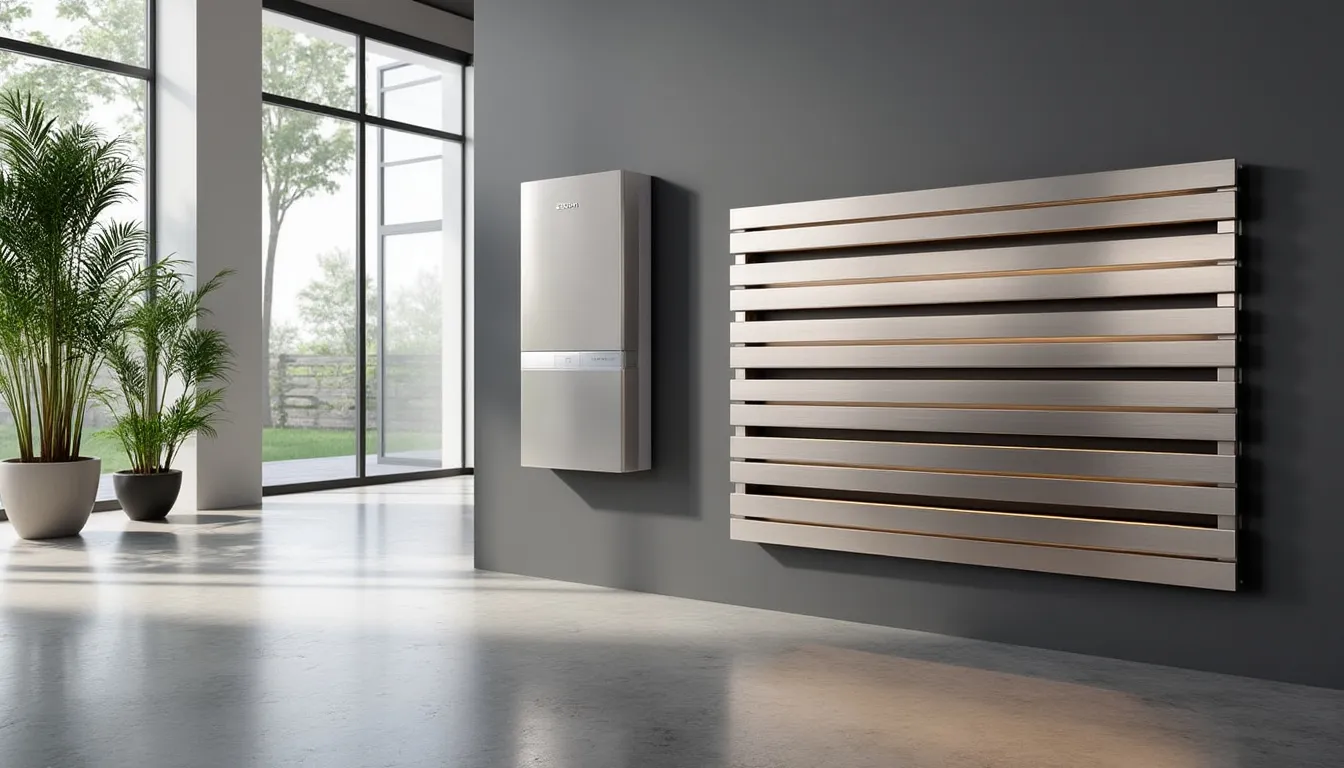
Which installations are eligible for the Heating Boost Grant?
In 2025, this program offers a wide range of modern and environmentally friendly heating equipment. The list of eligible installations includes:
High-performance biomass boilers
Air/water heat pumps
Hybrid heat pumps
These options offer French households alternatives to transform their old heating systems into more efficient solutions while contributing to an ecological approach.
Profiling Modern Heating Installations
Choosing the right equipment is a crucial step in your renovation project. Biomass boilers, for example, use renewable resources and can significantly reduce your energy bill. Similarly, heat pumps utilize the calories present in the air or ground, allowing for substantial savings.
Type of Installation | Advantages |
|---|---|
Biomass boilers | Use of renewable resources, reduction of energy bills |
Air/water heat pumps | Energy savings, reduction of CO2 emissions |
Combined solar systems | Energy autonomy, reduction of heating costs |
Who can benefit from this financial aid?
To access the Heating Boost Grant, certain criteria must be met. All households, whether owners or tenants, can benefit, under certain conditions:
Main and secondary residences of at least 2 years
Updated income ceilings
Work carried out by a certified RGE (Recognized Environmental Guarantee) professional
As a plumber, I can assure you that the conditions for granting this aid are straightforward and adaptable to a wide audience, making the energy transition easier. Moreover, the income ceilings allow for greater aid for households with modest resources.
What is the amount of the Heating Boost Grant?
The amount of the grant varies depending on the work done and the household income. Here is a summary table of the minimum amounts for different installations in 2025:
Type of Installation | Amount for Low-Income Households | Amount for Other Individuals |
|---|---|---|
Air/water heat pump | €4,000 | €2,500 |
Combined solar system | €5,000 | €5,000 |
Hybrid heat pump | €4,000 | €2,500 |
Connection to the heating network | €700 | €450 |
These amounts are significant and can greatly reduce the cost of your heating work.

How to benefit from this aid?
To benefit from the Heating Boost Grant, it is essential to follow several steps to complete your file:
Choose an energy supplier that is a signatory to the commitment charter.
Accept their offer before signing the work estimate.
Select an RGE-certified professional to carry out the work.
Then, sign the estimate and have the work carried out.
Finally, send the necessary supporting documents.
This is a simple yet rigorous process. Ensure that the work is initiated before December 31, 2025, and completed before December 31, 2026, for your grant to be validated.
The payment modalities of the grant
The grant can be paid in different forms, allowing beneficiaries to choose the method that suits them best:
By bank transfer
By check
In the form of a deduction from the work invoice
Or even in the form of gift vouchers
Don't forget to compare the offers from different suppliers to opt for the one that best meets your specific needs.
Can the Heating Boost Grant be cumulated with other aids?
Great news: it is possible to cumulate the Heating Boost Grant with other government aids. This can significantly reduce the total cost of renovation work. Here are some aids that can be combined:
MaPrimeRénov’: a grant for energy renovation projects.
Zero-interest eco-loan (Eco-PTZ): a loan to finance energy improvement work.
This combination of schemes is a great opportunity that makes the adoption of more economical and environmentally friendly heating solutions much more accessible. Contact me if you would like to know more about the steps to follow.
FAQ about the Heating Boost Grant
What are the eligibility criteria for the grant?
The criteria include the type of residence (main or secondary), the age of the works, and the household's income level.
How do I know if my equipment is eligible?
Check your energy supplier's website or contact an RGE professional to guide you.
Is there a time limit to apply for the grant?
Yes, you must start the work before December 31, 2025, and complete it before December 31, 2026.
Are the grant amounts fixed?
Yes, the amounts vary depending on the installation and the household's resources but are clearly established by the scheme.
Where to apply for this grant?
The application is made with the energy suppliers that are signatories to the commitment charter, who can explain the steps to follow.