
Modernization of the regulation of old heating systems: practical advice for 2025
5 min read
At the dawn of 2025, the heating sector is undergoing a significant transformation, facing ecological and regulatory challenges. Optimizing both old and modern heating systems is becoming a necessity to ensure adequate energy performance. Whether you are the owner of an old building or a recent construction, it is essential to understand the stakes of the modernization of heating system control. By adopting new technologies and complying with current regulations, you will not only improve your comfort but also reduce your energy bills and contribute to a greener planet.
The stakes of modernizing heating systems
The modernization of heating systems is not simply about updating obsolete equipment. It involves a deep reflection on energy efficiency and the integration of new technologies. In this context, several factors must be considered:
Evolving regulations: Laws on the energy performance of buildings impose increasingly strict standards.
Innovative technologies: Smart heating systems, such as condensing boilers or heat pumps, offer efficient and sustainable solutions.
Consumer awareness: Owners are becoming aware of the importance of sustainable heating and the impact of their choices on the environment.
This modernization is also part of a framework where the goal is to reduce energy consumption while promoting smart heating, which adapts to each user's specific needs. Thus, transitioning to a modern 2025 heating system can reduce your carbon footprint while providing optimal thermal comfort.
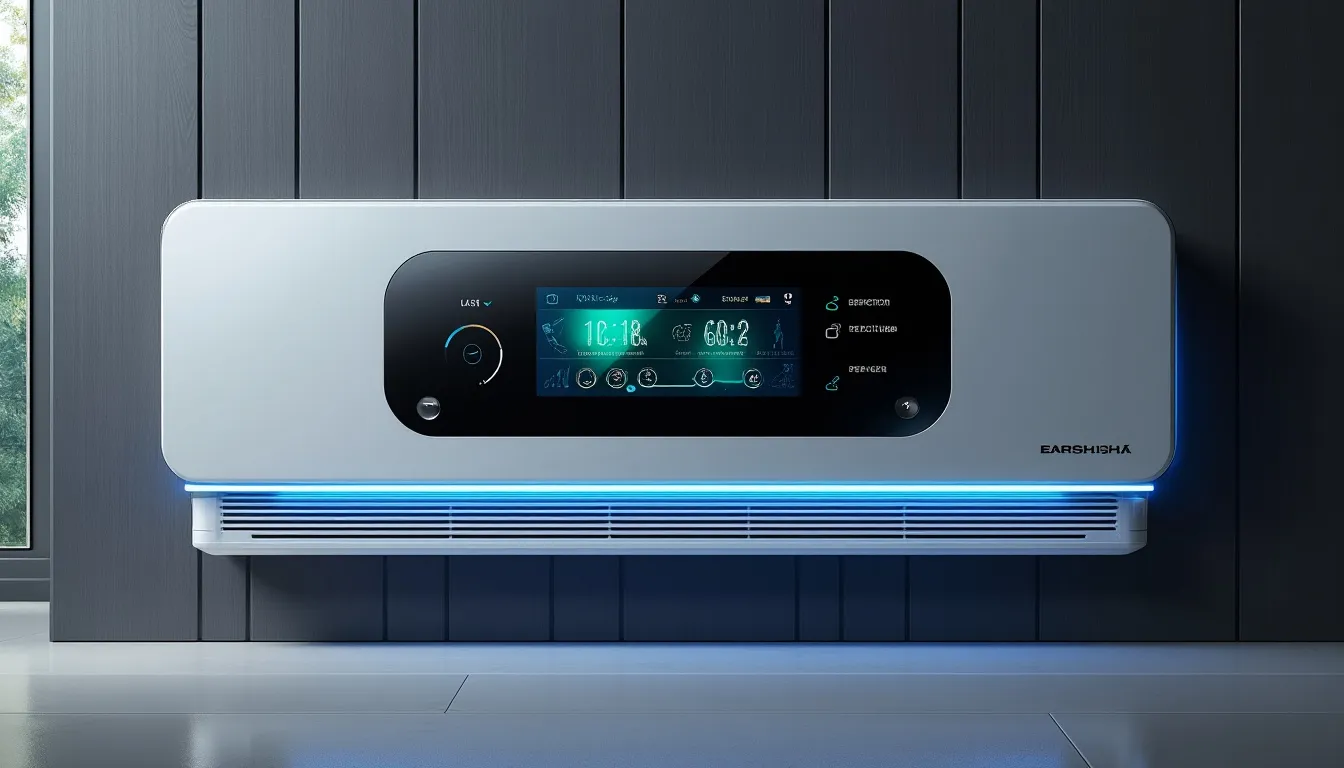
Modern control: an imperative to respect
As of January 2027, all heating systems must be equipped with an automatic temperature control system. This means that buildings must meet specific temperature thresholds that adapt to different situations. This control hinges on certain essential standards:
Heating temperature: The regulation sets the limit at an average of 19 °C.
Responsiveness: Systems must be able to adjust based on different room usages (comfort, reduced, frost-free, off).
Location of sensors: For optimal performance, sensors must be positioned 1.50 m from the floor.
The advantages of this modern regulation are undeniable. It not only allows for a reduction in energy costs but also improves comfort within the dwellings.
The different types of heating systems: what choice for maximum efficiency?
To adapt to the new energy efficiency requirements, there is a plethora of heating systems available on the market. Here is a brief presentation of the most common options:
Type of system | Advantages | Disadvantages |
|---|---|---|
Condensing boiler | High efficiency, ecological | High initial cost |
Heat pump | Uses natural resources, low consumption | Requires good building insulation |
Solar heating | Renewable energy, low long-term costs | Significant initial investment |
Your choice of system should consider your geographical situation, the characteristics of your building, and of course, your specific heating needs.
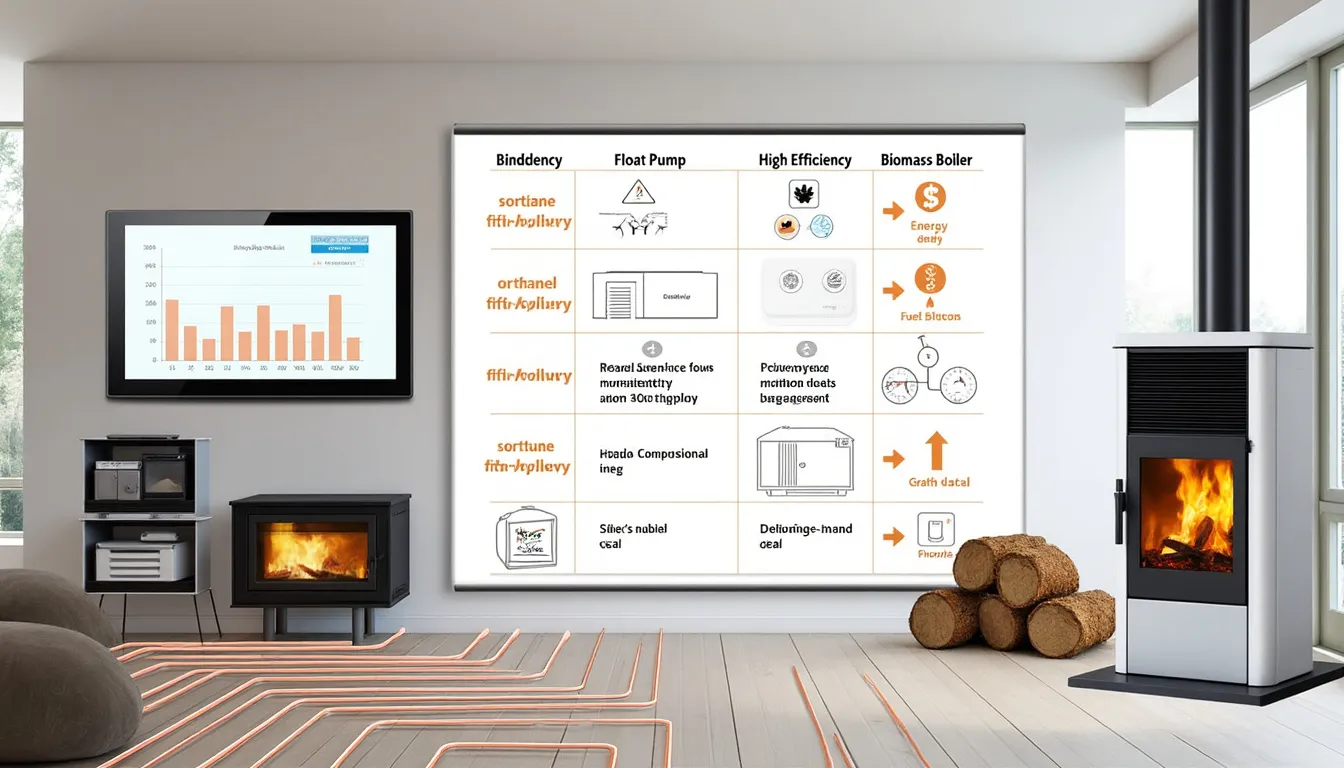
Advantages of EcoHeating and solar heating
As a professional in the sector, I can only recommend considering EcoHeating and solar heating solutions. These systems not only offer optimal energy efficiency but also align with an ecological approach. Here are some key points:
Savings on energy bills: By using renewable resources, you reduce your monthly costs.
Reduced environmental impact: Switching to renewable energy systems contributes to combating climate change.
Access to financial aids: You may benefit from grants and assistance for energy transition.
Installing an efficient heating system: my practical advice
Installing an efficient heating system is not simple. It requires particular attention, and certain steps must be followed to ensure effective installation. Here is my practical advice:
1. Assessing needs and building characteristics
Before any intervention, it is crucial to conduct a thermal diagnosis of your home. This includes analyzing heat loss, insulation, and the orientation of the building. A professional in modern regulation will guide you:
Assess the performance of your current insulation.
Check the existing ventilation systems.
Estimate the necessary power for the intended heating system.
2. Choosing the equipment
The choice of appliances is essential to ensure energy efficiency. Based on the previous assessment, opt for suitable equipment such as:
Condensing boilers for their performance.
Heat pumps for a sustainable and economical long-term solution.
Solar heating systems to harness renewable energy.
3. Installation and commissioning
The installation phase must be carried out by a certified professional. This guarantees not only optimal operation but also the safety of the building's occupants. Here are some tips:
Ensure that the control settings are correct.
Check the correct functioning of safety systems.
Request training on the use of the equipment.
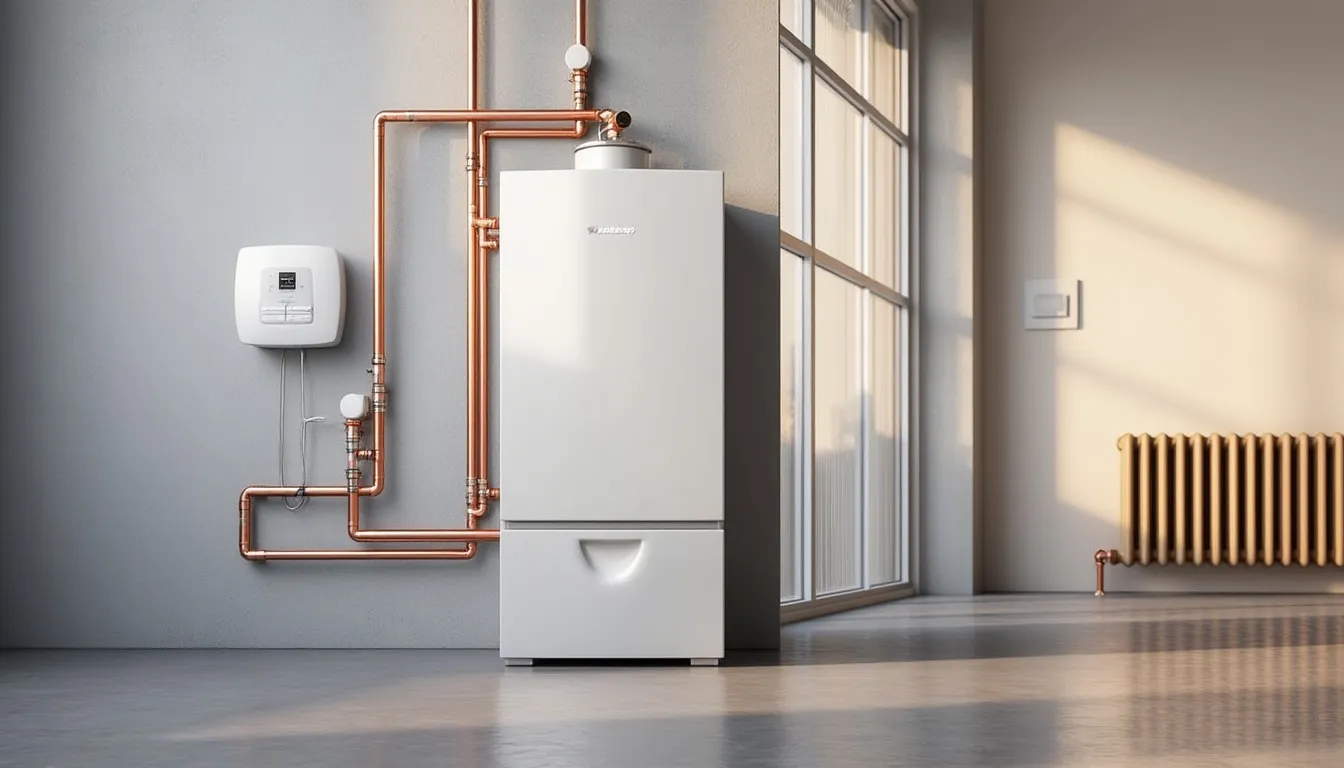
Measuring the impact of your new heating system
Once the system is installed, it is essential to measure and analyze its performance. Here are some criteria to follow:
Energy consumption: Monitor your bills to evaluate the savings made.
Thermal comfort: Ensure that the temperature is uniform in all rooms.
Environmental impact: Reduce your carbon footprint and check your contribution to ecological goals.
Measures to enhance efficiency
As your experience continues, it is important to further optimize your setup. Some suggestions include:
Choose regular maintenance contracts to ensure proper functioning.
Participate in training on energy consumption management.
Criterion | Evaluation method | Frequency |
|---|---|---|
Energy consumption | Bill monitoring | Monthly |
Thermal comfort | Subjective evaluations (occupant satisfaction) | Quarterly |
Environmental impact | CO2 emission analysis | Annually |
In conclusion, the year 2025 will mark a turning point for the heating sector, both in terms of standards and available technologies. Embracing SmartHeating solutions, modern controls, and initiatives aimed at sustainability is not only an obligation but also a responsible approach. Taking the lead in these developments will allow you to be an agent of change while benefiting from substantial savings.
FAQ
What are the main legal requirements regarding heating systems in 2025?
By 2027, all heating systems must be equipped with automatic control. Temperature limits are also imposed.
What are the advantages of solar heating?
Solar heating utilizes a renewable energy source, which reduces energy bills and environmental impact.
How do I know which heating system is best for me?
A thermal diagnosis of your home is essential to determine your specific needs and choose the appropriate system.
Are financial aids available for the modernization of my heating system?
Yes, there are various grants and tax credits available to encourage the transition to more efficient heating systems.
Can I install it myself?
It is strongly advised to consult a professional to ensure the safety and efficiency of the installation.