Choosing between a wood stove and pellets for an old house: practical advice
5 min read
In a world where the energy transition is at the heart of concerns, choosing a heating system suitable for an old house can be essential. Between the authenticity of a traditional wood stove and the modern efficiency of pellet stoves, homeowners often find themselves facing a dilemma. In 2025, with the evolution of ecological standards and energy efficiency, how do you choose the option that best meets your specific needs? This article guides you through the characteristics, advantages, and disadvantages of these two heating solutions, while considering economic and environmental realities.
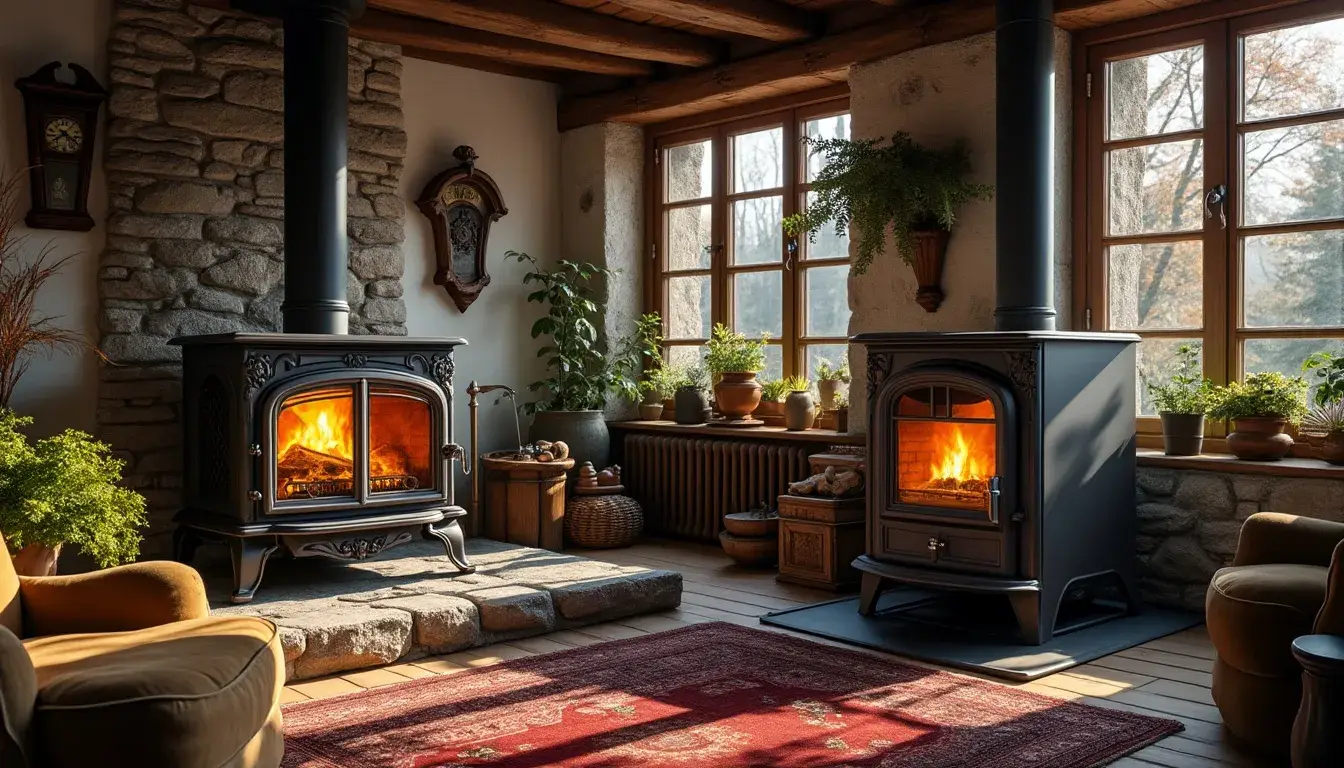
Understanding wood stoves: tradition and authentic warmth
The choice of a wood stove, often named log stove, represents a historic and warm solution to heat your interior. This heating system is particularly appreciated for its aesthetic aspect and the quality of heat it distributes. With brands like Godin, Invicta, or Jotul, you have a wide range of designs available that adapt to every space.
Advantages of wood stoves
Fuel cost: Wood is often cheaper than pellets, especially if you have access to local logs. This helps reduce your heating expenses.
Welcoming warmth: Wood stoves provide radiant heat, often considered more comfortable and inviting.
Autonomy during power outages: Unlike pellet models, the wood stove does not depend on electricity for its operation.
Aesthetic: The flame in a wood stove adds a pleasant ambiance and can enhance the attractiveness of your home.
Disadvantages of wood stoves
Manual fuel management: Regularly reloading logs is necessary, which can be cumbersome.
Lower efficiency: Wood stoves generally have an efficiency of 70%, compared to 85% for some pellet stoves.
Pollutant emissions: Burning wood can produce more fine particles than pellets, depending on the models.
Pallet stoves: the modern and efficient option
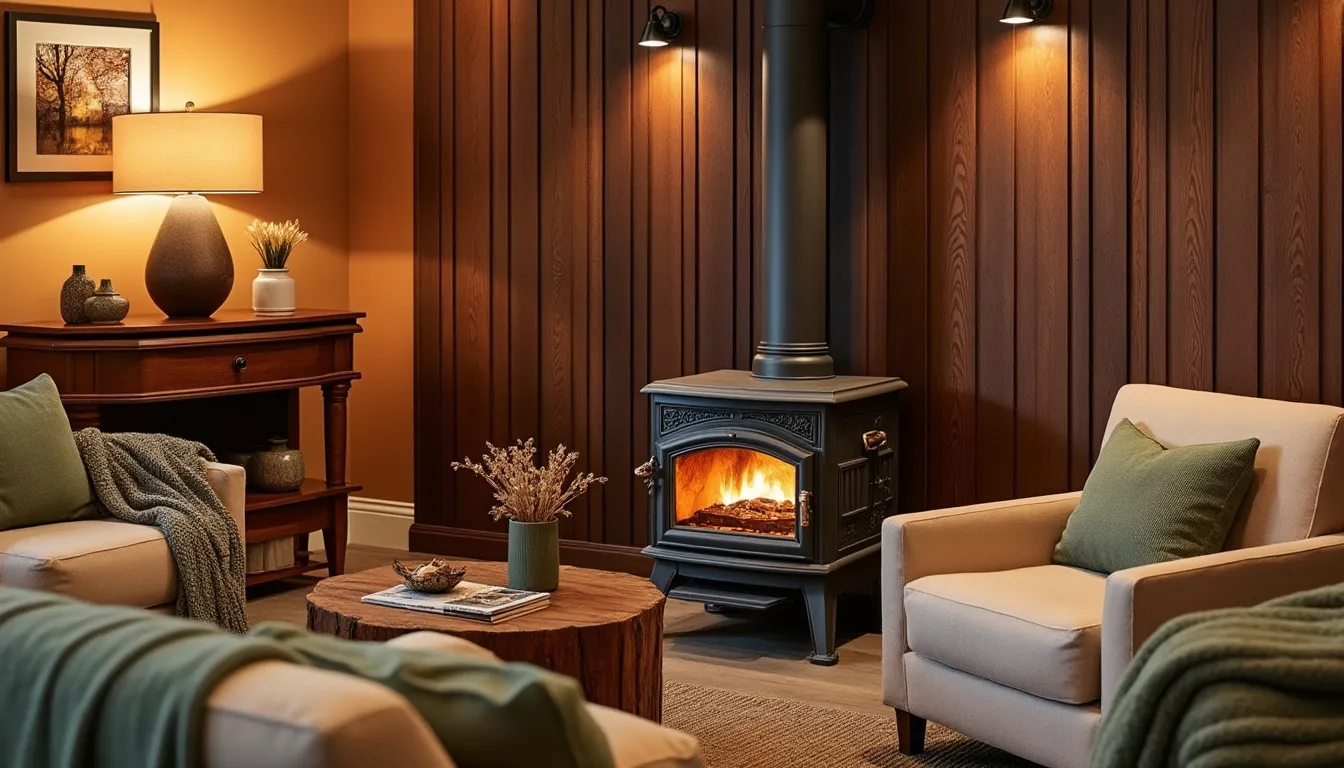
Pellet stoves, also called pellet stoves, represent an innovative option that uses compressed wood pellets as an energy source. These devices are gaining popularity and are often chosen for their efficiency and ease of use. By opting for brands like Deville, Wamsler, or Skantherm, you invest in advanced technologies offering numerous advantages.
Advantages of pellet stoves
Ease of use: Thanks to automatic systems, pellet stoves precisely regulate the temperature and the amount of pellets burned, offering increased control.
High energy efficiency: With efficiencies often exceeding 85%, these devices consume less fuel for the same amount of heat.
Fewer pollutants: The combustion of pellets occurs more cleanly, generating fewer fine particles and thus improving air quality.
Disadvantages of pellet stoves
High initial cost: The investment for a pellet stove is generally higher than for a wood stove, ranging between €2500 and €7000.
Dependence on electricity: These stoves require an electrical supply, which can be problematic in case of power outages.
Regular maintenance: Regular maintenance is necessary to ensure optimal performance and limit technical problems.
Technical comparison: performances and costs in 2025
It is essential to assess the technical performances and associated costs of the different types of stoves before finalizing your choice. Indeed, power, efficiency, and maintenance needs are all decisive factors for an informed decision.
Energy efficiency: difference between wood and pellets
Type of stove | Energy efficiency | Consumption per hour | Fine particle emissions |
|---|---|---|---|
Wood stove | 70% - 85% | 1 - 2 kg of wood | Higher |
Pellet stove | 85% - 92% | 0.7 - 1 kg of pellets | Lower |
It is interesting to note that the quality of the wood also plays a crucial role in efficiency. Well-dried wood, with a moisture content of less than 20%, not only improves energy efficiency but also reduces pollutant emissions.
Annual operating costs
Annual operating costs can vary significantly depending on climate conditions and fuel prices. For example, consider a 100 m² house located in a cold region:
Type of stove | Estimated annual cost |
|---|---|
Wood stove | €500 - €1500 |
Pellet stove | €600 - €1400 |
Choice based on your priorities and situation
The choice between a wood stove and a pellet stove depends on several criteria specific to your situation. If you value the traditional and warm aspect of a wood stove, brands like Franco Belge or Contura offer you aesthetic and functional solutions. However, for a more modern and automated approach, brands such as Haas + Sohn or Skantherm should be considered.
Criteria to consider
Initial budget: Determine how much you can invest in purchase and installation.
Access to fuel: Do you have an easy way to access wood or pellets?
Aesthetic preferences: What style of stove fits best with your home?
Climate conditions: What type of winter do you anticipate in your region?
Energy savings and environmental respect
In 2025, the energy transition and respect for the environment are more than concerns: they are imperatives. Therefore, the choice of a heating solution must be part of a global approach to energy saving and reduction of CO2 emissions.
Environmental impact of wood and pellet stoves
The ecological balance of wood and pellet stoves relies on several elements:
Criteria | Wood stove | Pellet stove |
|---|---|---|
CO2 emissions | High, if poorly managed | Reduced thanks to controlled combustion |
Resource sustainability | Variable, depends on forest management | Often better, if certificates are in place |
Impact on biodiversity | Can be negative if poorly managed | Certificates ensuring responsible production |
It is therefore crucial to choose a supplier committed to sustainable forest management and to ensure that the products you use are certified, such as pellets bearing the ENplus label.
FAQ: frequently asked questions
Which type of stove is the most economical? Wood stoves often have a lower fuel cost, but their efficiency is lower than that of pellet stoves.
Is a pellet stove easy to maintain? Yes, but it requires regular maintenance for proper functioning, including cleaning the ash pan.
Do wood stoves pollute a lot? They can emit fine particles, but using dry, quality wood can reduce these emissions.
Is it possible to switch from one system to another? Yes, but it requires prior study to assess the modifications needed for your installation.
How to choose the right model? Identify your heating needs, your budget, and your aesthetic preferences, then compare the brands and models available.