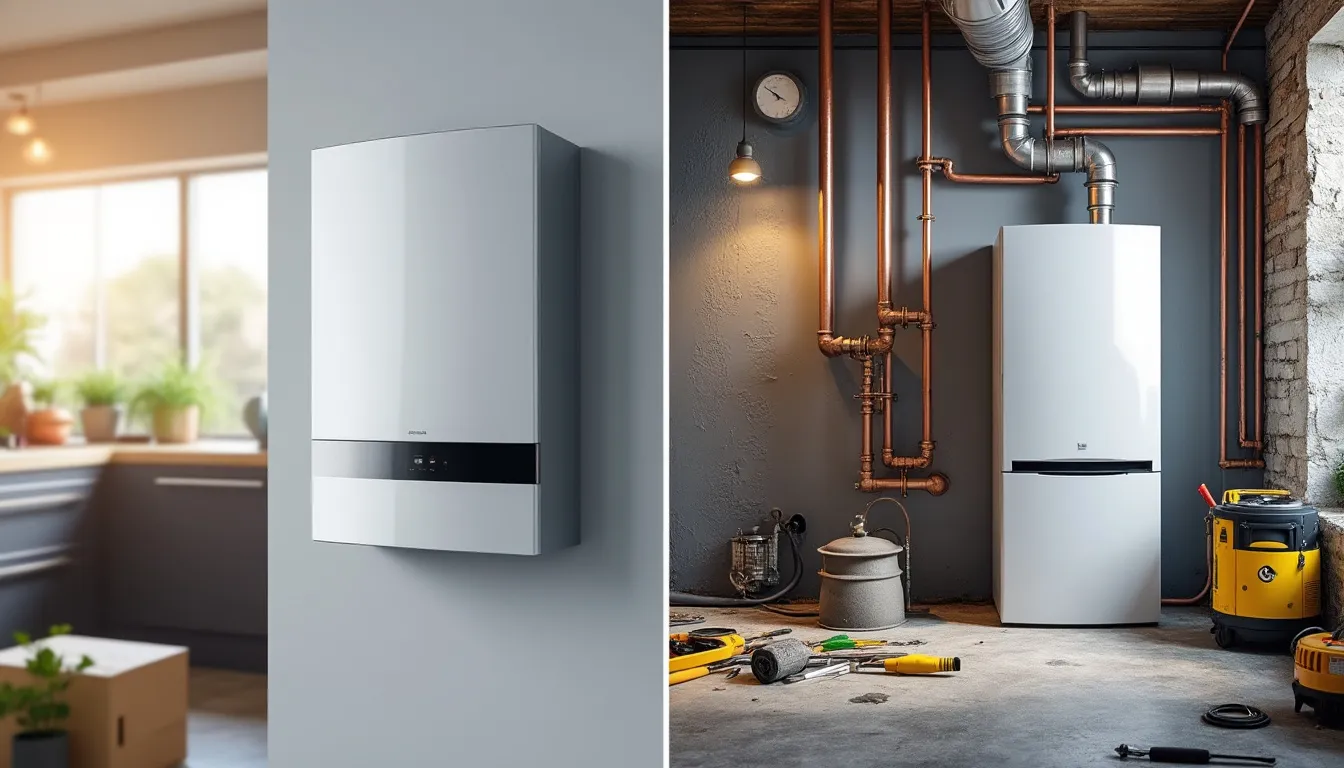
Choose between a wall-mounted or floor-standing gas boiler: installation guide and practical advice
4 min read
In a world where energy management is becoming crucial, choosing the right heating system proves essential. As we approach 2025, the question of gas boilers, whether wall-mounted or floor-standing, remains relevant. So, which should you favor for your home? This guide provides an overview of the characteristics of each system as well as practical advice for a successful installation. Whether you have been a homeowner for years or are considering moving into a new home, it's time to make the right decisions for your thermal and economic comfort.
The fundamental differences between wall-mounted and floor-standing gas boilers
Before discussing installation steps and practical advice, it is essential to understand the differences between wall-mounted and floor-standing gas boilers. These two types of boilers offer distinct features that can influence your choice.
1. Wall-mounted gas boilers
Wall-mounted boilers are compact and ideal for small spaces. They are generally lighter, easy to install, and maintain. Here are some key characteristics:
Space-saving: Wall-mounted boilers are fixed to the wall, allowing for space savings in modest-sized homes.
Simplified installation: Often, their installation requires less work than for floor-standing boilers.
Energy efficiency: Recent models, especially those from reputed brands like Saunier Duval and Viessmann, offer particularly interesting yields.
2. Floor-standing gas boilers
Floor-standing boilers, on the other hand, are often more powerful and suitable for heating larger areas. They can also offer options for hot water storage. Here are their main characteristics:
Heating capacity: Ideal for medium to large houses, they meet greater energy needs.
Durability: Floor-standing boilers tend to have a longer lifespan, especially models from brands like De Dietrich or Chaffoteaux.
Aesthetics: Although less discreet, they can be integrated into technical spaces or in a basement.
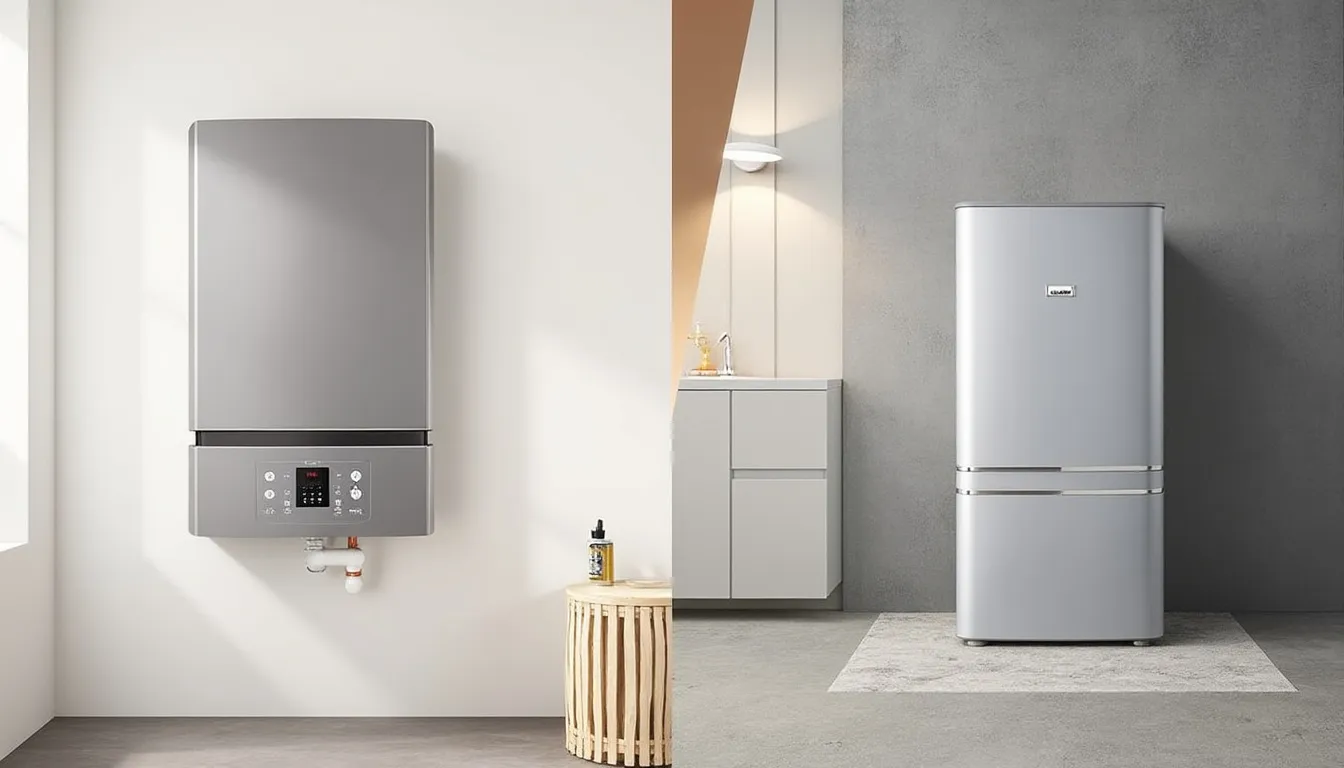
Boiler installation: essential steps for proper functioning
A successful installation is crucial to ensure the proper functioning of your boiler. Whether it is a wall-mounted or floor-standing boiler, here are the fundamental steps to follow:
1. Choosing the location
To ensure optimal performance, the choice of location is critical. For wall-mounted boilers, ensure there is sufficient free space around the unit. Floor-standing boilers should be placed in a well-ventilated area, away from any moisture source.
2. Preparation for installation
Assessment of needs: Assess the required power based on the area to be heated.
Electrical considerations: Ensure that the electrical system is suitable to support the chosen boiler.
3. Installation
This step may require the intervention of a professional, especially if plumbing or electrical modifications are necessary. A good installation includes:
Integrating the flue gas exhaust ducts, especially if you choose a condensing boiler.
Setting up a central heating circuit if you install a floor-standing boiler.
4. Commissioning
Once installed, the boiler must be commissioned by a professional. This includes safety tests, operational checks, and necessary adjustments.
Energy consumption and savings: which system to choose?
To make an informed choice, it is essential to examine energy consumption for boilers and their associated costs. Here are some analyses:
1. Estimating consumption
On average, the consumption of a gas boiler in France varies according to the size of the home. In 2025, ADEME estimates that households consume approximately 16,500 kWh per year for heating. Depending on your type of home, here are some estimates:
Type of housing | Estimated annual consumption (kWh) | Invoice cost (in €/year) |
|---|---|---|
Apartment 50 m² | 4,930 | 598.5 |
House 100 m² | 13,829 | 1,678.84 |
2. Impact of model choice
The choice of boiler model can significantly influence energy consumption. Here are some brands to consider:
Frisquet: Known for its efficient and durable boilers.
Ferroli: Offers models designed to optimize consumption.
Atlantic: Often recommended for its value for money.
Maintenance and upkeep of boilers: an investment not to be neglected
After installation, regular maintenance is essential to ensure the safety and longevity of your boiler. Here are points to consider:
1. Legal obligations
In France, the maintenance of a gas boiler is mandatory. This includes an annual check by a professional to ensure proper functioning and prevent accident risks, particularly those related to carbon monoxide.
2. Maintenance tips
Regular checks: Monitor low and high pressure, as well as water temperature.
Filter cleaning: Ensure that filters are clean to optimize efficiency.
Noise monitoring: If you hear unusual noises, contact a professional promptly.
FAQ: frequently asked questions
1. What are the cost differences between a wall-mounted boiler and a floor-standing boiler?
Wall-mounted boilers are generally cheaper to purchase and install, while floor-standing boilers may represent a larger initial investment, but they can prove more economical in the long run due to their durability.
2. What is the average lifespan of a gas boiler?
The average lifespan of a gas boiler is around 15 to 20 years, but this can vary depending on regular maintenance and the quality of the chosen model.
3. Do I need professional assistance for the installation of my boiler?
It is strongly recommended to hire a professional for the installation of your boiler to ensure proper and safe operation.
4. What financial assistance is available for purchasing a new boiler?
In 2025, several aids such as the tax credit for energy transition or local subsidies may be available for the purchase and installation of high-performance energy boilers.
5. How can I optimize my energy consumption with a gas boiler?
To optimize your consumption, you can install a programmable thermostat, ensure perfect insulation of your home, and carry out regular maintenance of your boiler.