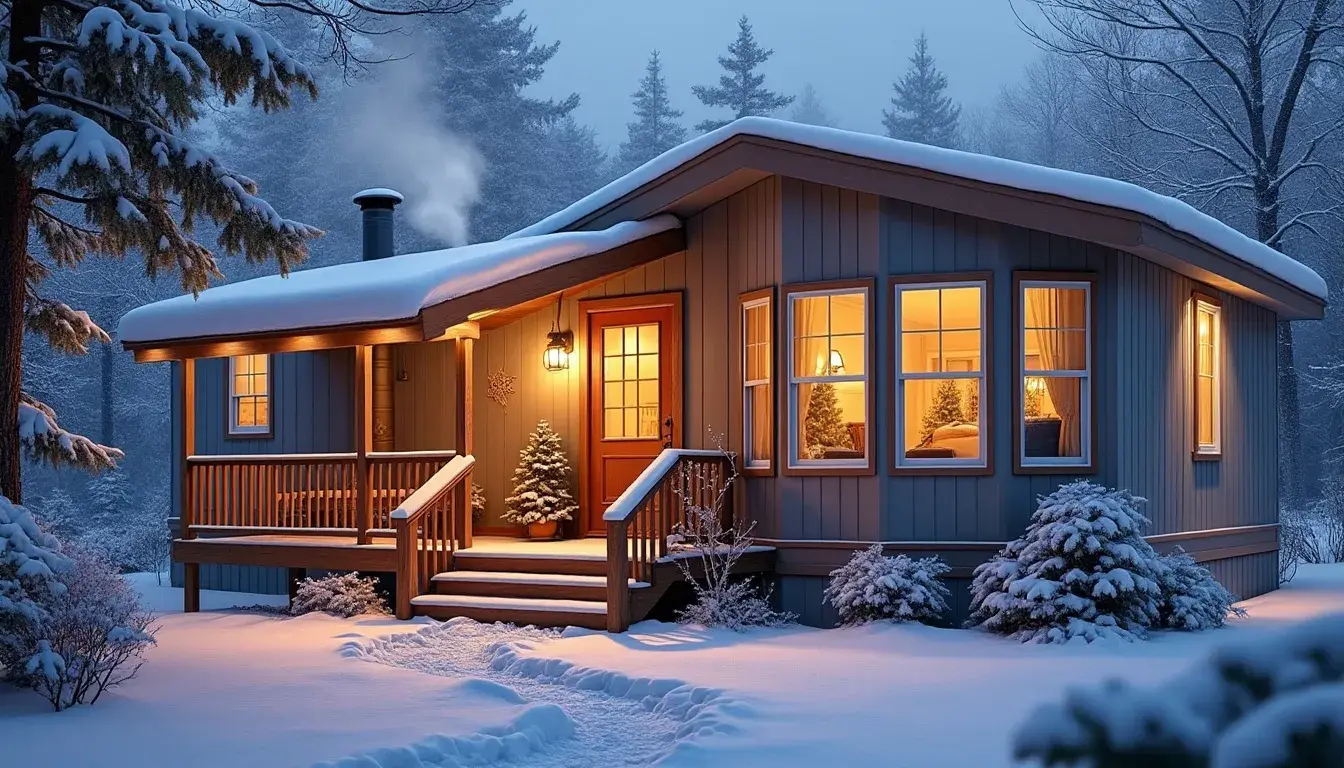
How to improve the insulation of your mobile home for a warm winter?
4 min read
A mobile home can be a true oasis of comfort, especially in winter. To ensure your experience is not marred by the cold, it is crucial to optimize the insulation of your dwelling. Every detail counts, from the windows to the walls, including the floors and even the ceiling. Thanks to advances in technology, many modern materials such as Ecoflex Insulators and ThermoFleece guarantee excellent thermal performance. With practical tips, transform your mobile home into a pleasant cocoon that retains warmth even in the middle of the cold season.
Understanding the Importance of Insulation in a Mobile Home
Insulation is not just about thermal comfort; it plays a fundamental role in maintaining a pleasant atmosphere throughout the year. In winter, low insulation levels can lead to significant heat loss, thereby increasing heating costs. By improving insulation, you not only optimize comfort, but you also achieve energy savings. This also has a positive impact on the environment, as reduced energy consumption translates into lower greenhouse gas emissions.
Critical Areas to Target for Insulation
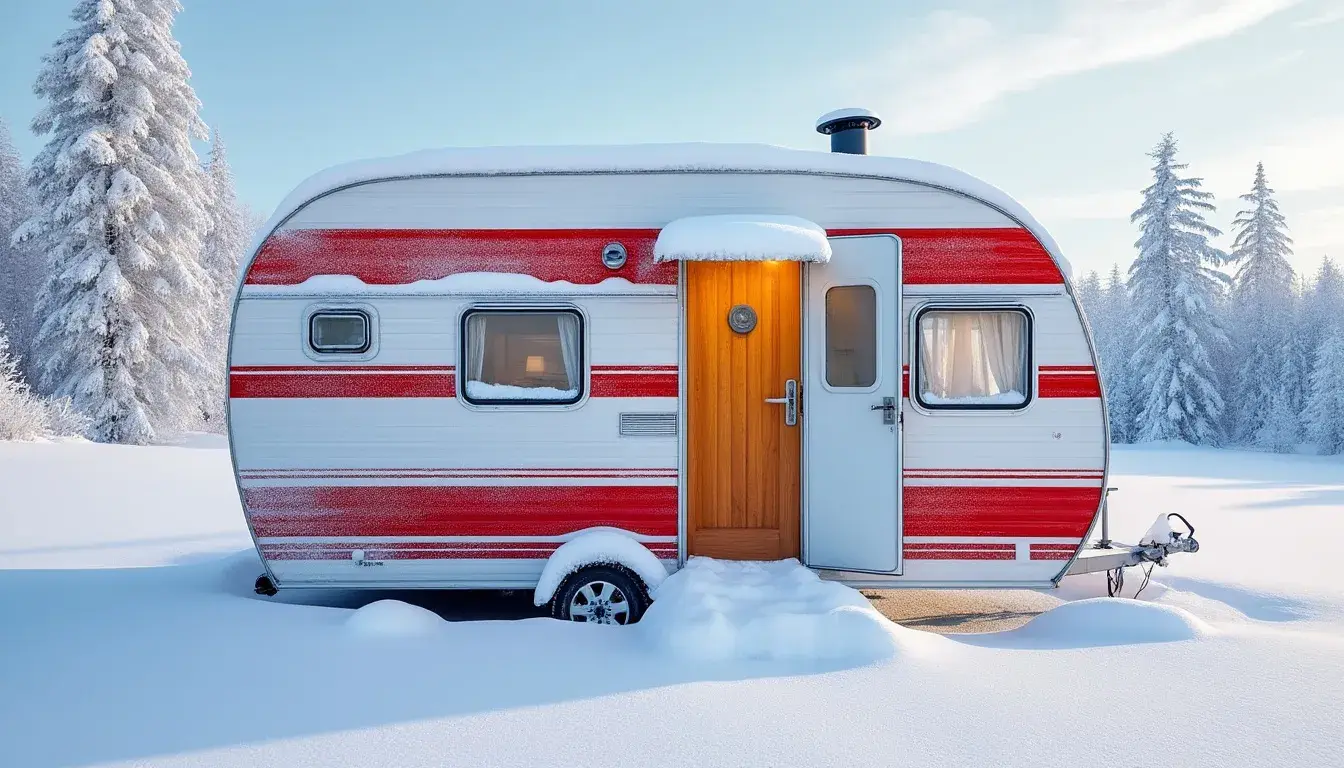
When improving the insulation of your mobile home, certain key areas should be examined closely. Here are the main ones:
The windows: Often regarded as weak points, they are responsible for many heat losses. Installing double glazing or even triple glazing can significantly improve energy efficiency.
The ceiling: A poorly insulated ceiling also causes heat leaks. Adding drywall panels with good insulation can enhance overall comfort.
The walls: Use modern insulators such as EcoIsolation or WinterShield that ensure excellent value for money.
The floor: Particularly the terraces that are often overlooked. Using insulating slabs prevents heat loss through the floor.
The Best Materials for Effective Insulation
Choosing the right insulation material is fundamental to achieving the desired level of comfort in your mobile home. Here’s a selection of the most effective materials:
Material | Advantages | Disadvantages |
|---|---|---|
Fiberglass | Affordable, easy to install | Can be irritating to the skin |
Rock wool | Excellent fire resistance | More expensive than fiberglass |
Polystyrene panels | Good thermal performance | Less eco-friendly |
Phenolic foam | High moisture resistance | Higher cost |
How to Apply These Materials?
Correctly applying the materials is just as crucial as the choice. For example, when insulating the walls, ensure there are no gaps left, as even a small crack can reduce efficiency.
It is also recommended to hire a professional, especially for the installation of more technical materials like phenolic foam. Specialists can also check the sealing of windows to avoid drafts. Simple caulking work around openings can have a significant effect on energy consumption.
Optimize Heating of a Mobile Home: Practical Tips
Improving insulation is not enough; proper heating management is essential. Here are some practical tips to maximize the use of heat in your mobile home:
Install an efficient heating system: Consider models like SolarRénov, which are not only effective but also environmentally friendly.
Use thermal curtains: By installing thick fabrics at the windows, you can keep the heat inside.
Control ventilation: Maintain a good balance between ventilation and insulation to avoid moisture buildup.
Turn off heaters when you are not there: This may seem obvious, but it is a crucial action to save energy.
Funding Your Insulation Improvement Projects
Having good insulation is essential, but the cost of improvements can also be a barrier. Fortunately, several funding opportunities exist:
Energy bonuses: They can cover up to 30% of insulation costs.
Tax credits: Check your eligibility to benefit from a reduced VAT on insulation work.
State aid: Some local programs may also support projects for improving energy efficiency.
To check your eligibility for aid, visit websites like Prime Coup de Pouce.
Maintaining the Good Condition of Insulation
Once the insulation is completed, regular maintenance is required to ensure its durability. Here are some steps to follow:
Inspect regularly: Check your windows and other critical areas for cracks or signs of wear.
Clean the gutters: Ensure that rainwater does not stagnate, which could affect the integrity of the insulating materials.
Check the ventilation: Make sure all ventilation ducts are clear and functional.
FAQ
1. What are the best materials for the interior insulation of a mobile home?
The recommended materials include rock wool, polystyrene, and phenolic foam depending on your budget and thermal efficiency needs.
2. How long does well-installed insulation last?
Correctly installed insulation can last more than 20 years, depending on the materials used and maintenance performed.
3. What aids are available for improving insulation?
Energy bonuses, tax credits, and government assistance are available to finance the improvement of your mobile home’s insulation.
4. Does improving insulation really affect heating bills?
Yes, better insulation can significantly reduce your heating costs by preventing heat from escaping.
5. Should I hire a professional for insulation installation?
While some work can be done yourself, hiring a professional ensures both the quality of the installation and compliance with current standards.