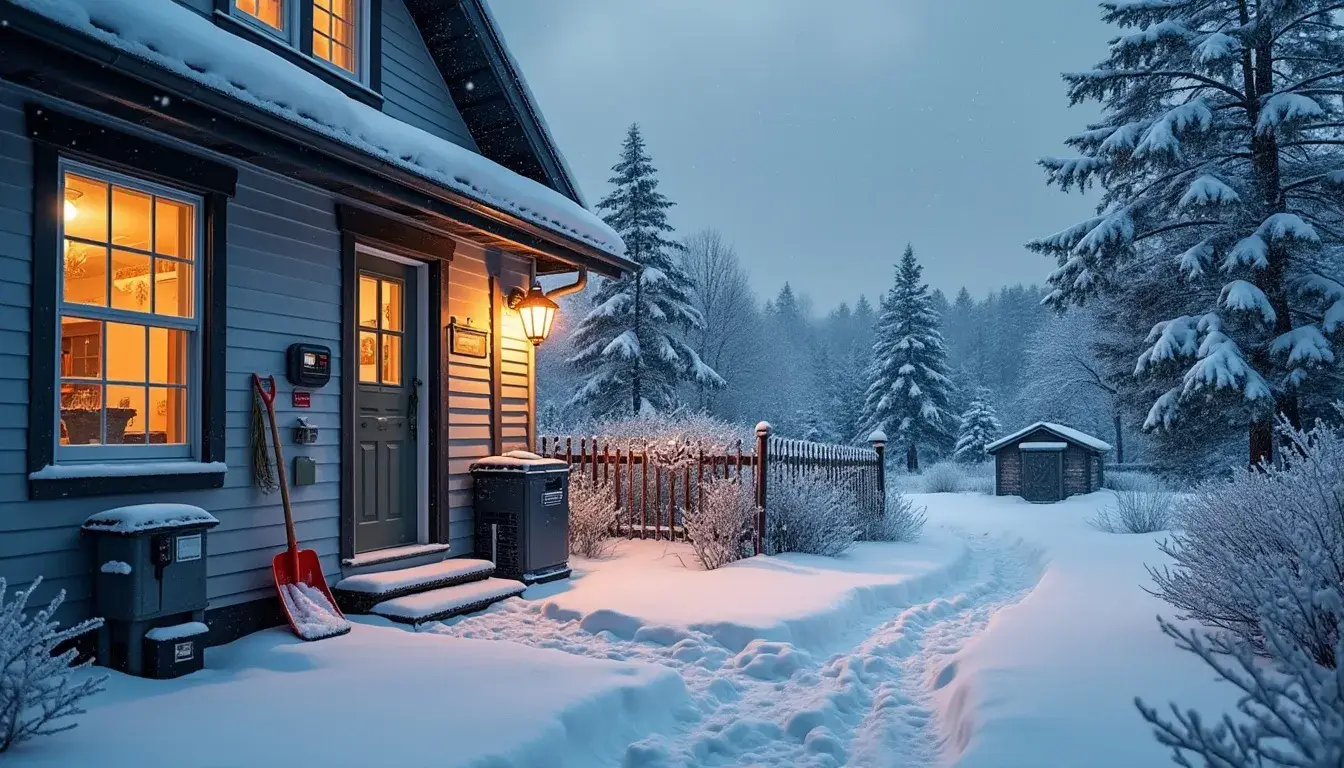
How to effectively protect your heating system during a winter absence?
4 min read
When winter settles in, it is essential to ensure that our heating system is ready to face the rigors of the cold, especially if one is considering an extended absence. Protecting your heating circuits is not just about comfort, but also about preserving your home. In this article, we will provide practical advice and proven methods to ensure the proper functioning of your heating network during your winter absence.
The dangers of frost for your heating circuit
Frost is a formidable enemy for plumbing and heating installations. Indeed, when temperatures drop, the water contained in the pipes can freeze, causing cracks and breaks. This phenomenon can lead to high repair costs and considerable inconveniences.
In at-risk areas, such as the Haut Jura, where temperatures can drop very low, it is essential to anticipate these risks. Here are some main dangers related to frost:
Breakage of pipes
Damage to central heating
Water leaks inside the house
To avoid these inconveniences, planning and preventive measures are necessary. Renewable energy heating systems, such as pellet boilers or heat pumps, may require specific precautions depending on their design.

Techniques to protect your heating circuit
There are several techniques to implement to protect your heating circuit during your absences. Here are some effective strategies that have proven themselves in practice.
Activate the protective functions of the devices
Many boilers and heating systems, such as those from the brands De Dietrich or Viessmann, have a frost protection function. This option allows for the maintenance of a minimum temperature in the circuit to prevent the freezing of fluids. Make sure that your device is properly set before your departure.
Use an appropriate antifreeze
Using an antifreeze mixture is often recommended. For installations in France, a mixture of 15 to 20% is common. However, this requires the assistance of a professional, especially for more complex systems such as those using a water accumulator or a hot water tank like those from Atlantic or Saunier Duval.
Drain sensitive circuits
For the various parts of the circuit that may contain water, such as sanitary installations, it may be wise to carry out a complete drainage before leaving. This limits the risk of frost. However, make sure you know the specifics of your installation to avoid damaging sensitive elements such as condensing boilers.
Equipment to consider for better protection
When thinking about the protection of your heating circuit, it may be wise to invest in certain equipment. Here are some effective installations:
Heating cables: They maintain the temperature of the pipes and prevent freezing. Make sure to opt for models equipped with a thermostat, suitable for your installation.
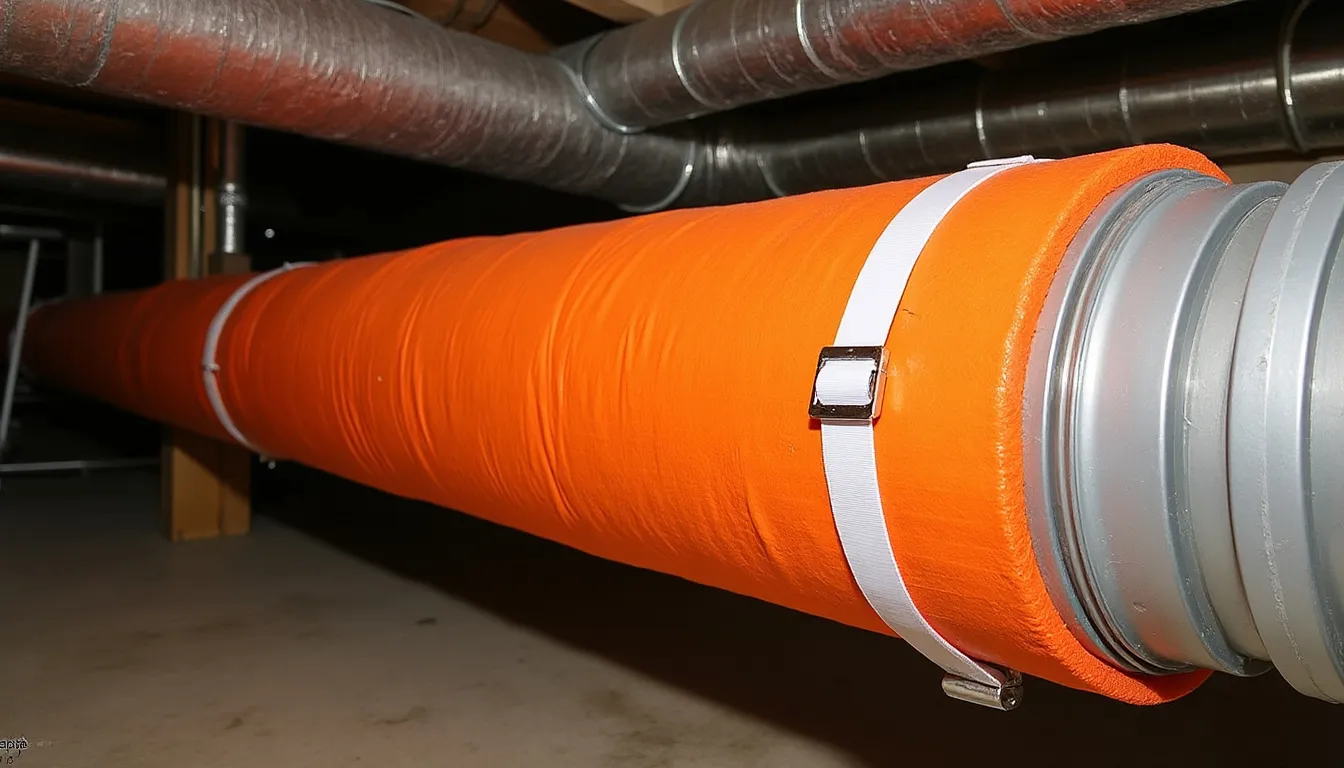
Insulation: Wrapping your pipes with insulating sleeves, whether made of foam or glass wool, will protect them from the outside cold.
Supplementary heaters: As mentioned by forum members, using an electric heater can help maintain an adequate temperature in the main room, thus preventing freezing in the heating circuits.
It is recommended to install this equipment with the help of a professional to ensure its effectiveness.
Regular maintenance: an indispensable ally
Preventing frost-related problems is not limited to temporary solutions. Regular maintenance of your heating system is essential for optimal performance. Here are some recommendations:
Check your boiler once a year, calling on a qualified technician for a complete maintenance.
Ensure that the radiator valves are not stuck.
Bleed the radiators to ensure optimal water circulation.
Items to check | Frequency |
|---|---|
Boiler check | Annual |
Radiator bleed | Before winter |
Pipe inspection | Bi-annual |
What to do in case of frost?
Despite all precautions taken, it sometimes happens that installations freeze. If this occurs, here are the steps to follow to thaw your pipes:
Open the cold water tap to relieve pressure.
Use a hairdryer to slowly warm the frozen section of the pipe.
Place a space heater nearby to speed up the process.
Then, visually check if any cracks have formed before restarting your installation.
FAQ
What are the signs that my heating system needs maintenance?
Strange noises, temperature variations in the house, or decreasing energy efficiency can indicate that it is time to have your system checked.
Can I use antifreeze for my heating system myself?
Although you can technically do this, it is strongly recommended to call a professional to avoid any potential damage to your installation.
Are heating cables effective against frost?
Yes, they are very effective if installed correctly and can significantly reduce the risk of frost on external pipes.
What temperature should I set my boiler to in winter?
It is advisable to maintain a minimum temperature of 10 to 15°C for your boiler, even in case of absence, to prevent freezing.
What type of insulation is the most suitable?
Foam sleeves are generally the most used for their ease of installation and effectiveness. However, glass wool can provide better insulation, especially for more sensitive areas.