Heating and hot water: the advantages of a combined system for your comfort
4 min read
In a world where energy efficiency and environmental respect take precedence, the question of managing heating and hot water in our homes becomes crucial. The use of a combined system for these two functions offers a multitude of advantages in terms of comfort and energy savings. By integrating renewable energies, such as solar energy, and modern technologies, it is possible to meet even the most demanding expectations while reducing its ecological footprint. Discover with me how such a system can transform your daily life in 2025.
The advantages of a combined system for heating and hot water
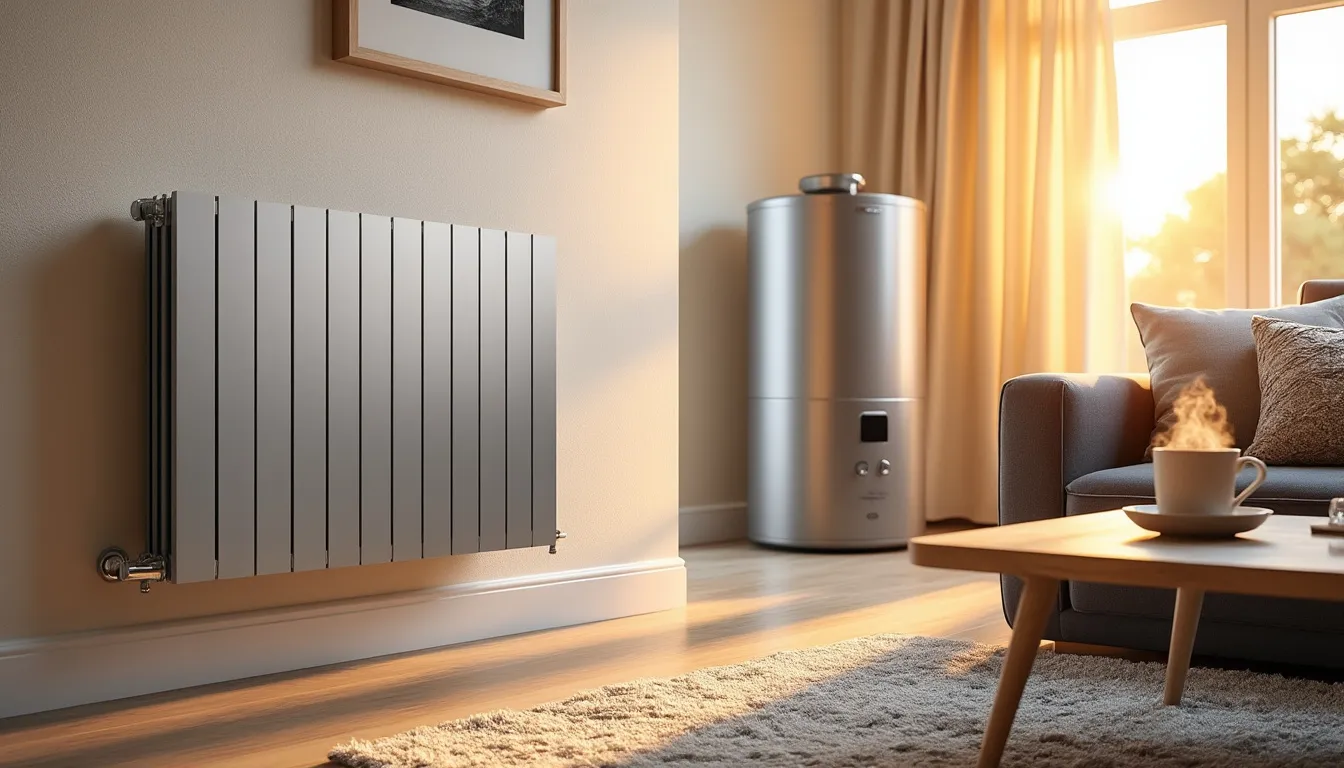
A combined system for heating and hot water relies on the use of a single piece of equipment that can meet both needs simultaneously, resulting in a noticeable improvement in thermal comfort within homes.
Here are some of the main advantages:
Energy savings: Combining these two functions allows for better heat management and a reduction in energy consumption.
Optimal use of renewable energies: Integrating solar panels into the system increases profitability and further reduces energy bills.
Reduced space: An integrated device requires less space, leaving more room for other uses.
Smart control solutions: Connected thermostats allow for effective temperature management based on occupants' needs.
How a combined system works
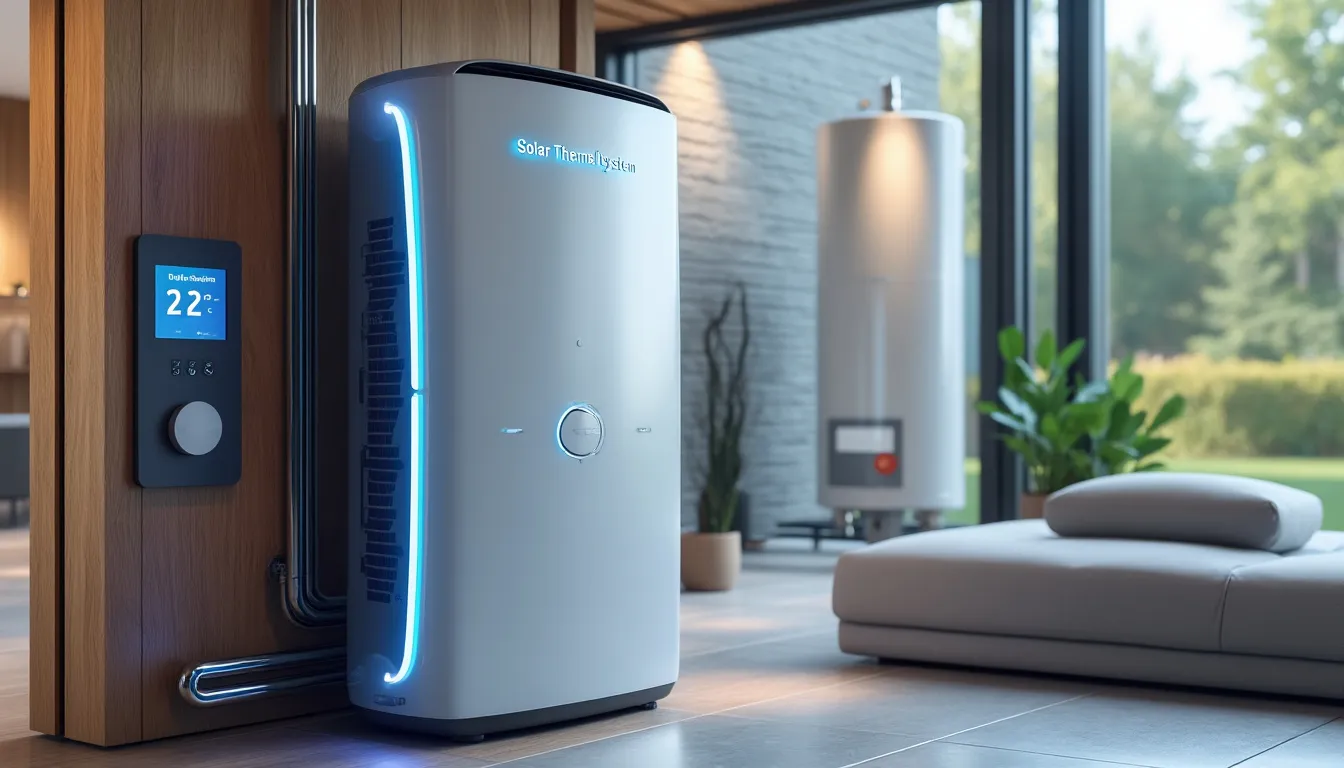
A combined system works by centralizing heating and hot water production in one device. Generally, it is a water heater that uses various energy sources, whether traditional or renewable. This device can include elements such as boilers, heat pumps, solar collectors, and is often associated with a storage tank. This setup allows, for example, to heat water using solar panels when there is enough sunlight, and to supplement with the boiler during colder periods.
Type of Equipment | Function | Advantage |
|---|---|---|
Solar water heater | Production of hot water using solar energy | Significant energy savings |
Photovoltaic panel | Electricity production | Use of clean energy |
Heat pump | Heating and hot water | High energy performance |
The technologies serving thermal comfort
Modern management of heating and hot water is accompanied by the use of advanced technologies. In 2025, we are fortunate to benefit from connected management systems that optimize the performance of our equipment while adapting to our lifestyles.
Exploitation of renewable energies
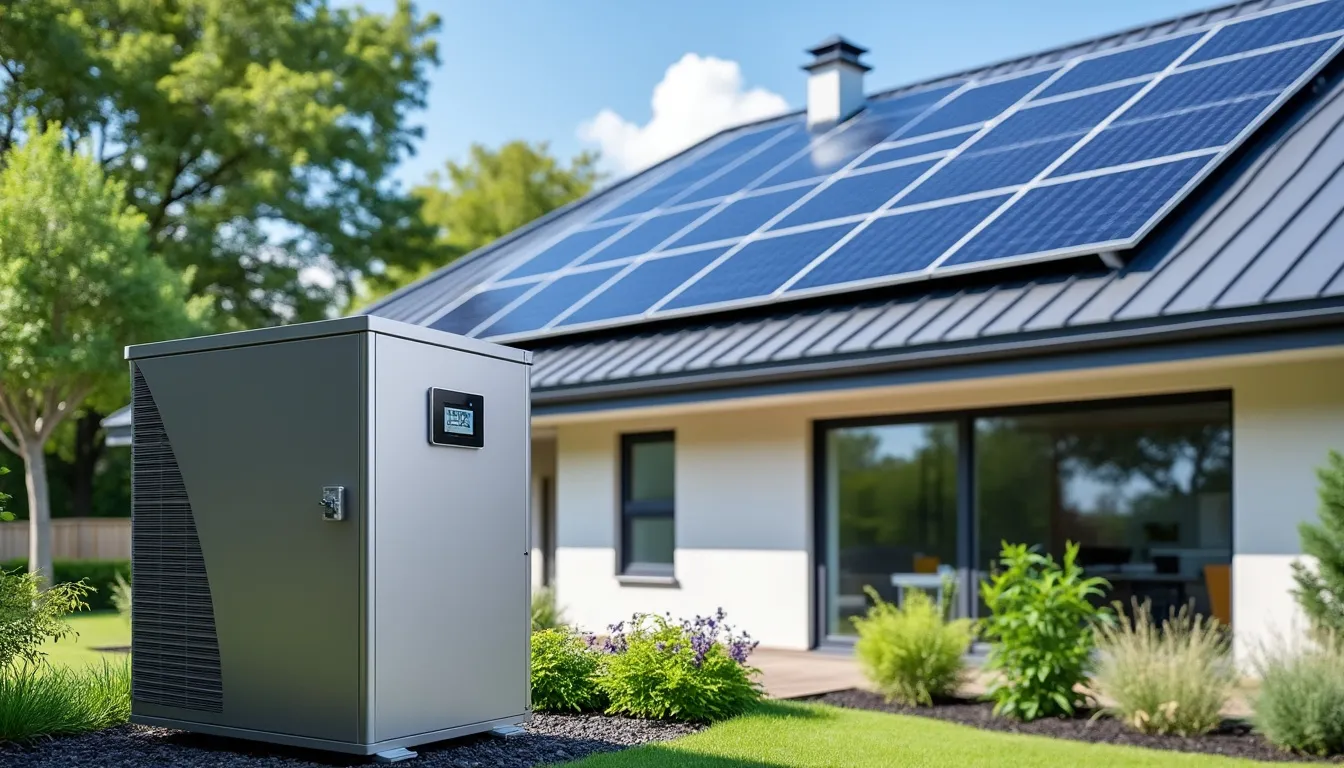
One of the major challenges of our time concerns the use of renewable energies to ensure optimal thermal comfort at a lower cost. Combined systems have exactly this capability to associate different energy sources. Thus, a model capable of combining heat production, using a heat pump, while integrating a solar water heater, guarantees a constant supply of hot water while reducing associated costs.
Here’s how to optimize this aspect:
Install solar panels to produce hot water in summer.
Use a heat pump in winter for heating and hot water.
Integrate smart thermostats to manage temperature in real-time according to needs.
Energy performance and energy savings
Combined systems are designed to make energy savings by using less electricity or fossil fuels. Thanks to improved thermal insulation, which is crucial for limiting heat loss, these installations maximize their energy efficiency.
The immediate benefits include:
Reduction of energy bills due to lower demand.
Improvement of equipment performance, often visible from the first bill.
Access to financial aids for the installation of high-performance equipment.
Type of Combined System | Approx. Annual Savings | Main Energy Used |
|---|---|---|
15-25% | Solar energy / Gas or oil | |
Heat pump + hot water tank | 20-30% | Renewable electricity |
Hybrid system | 25-35% | Electricity / Gas |
Financial aids for a combined system
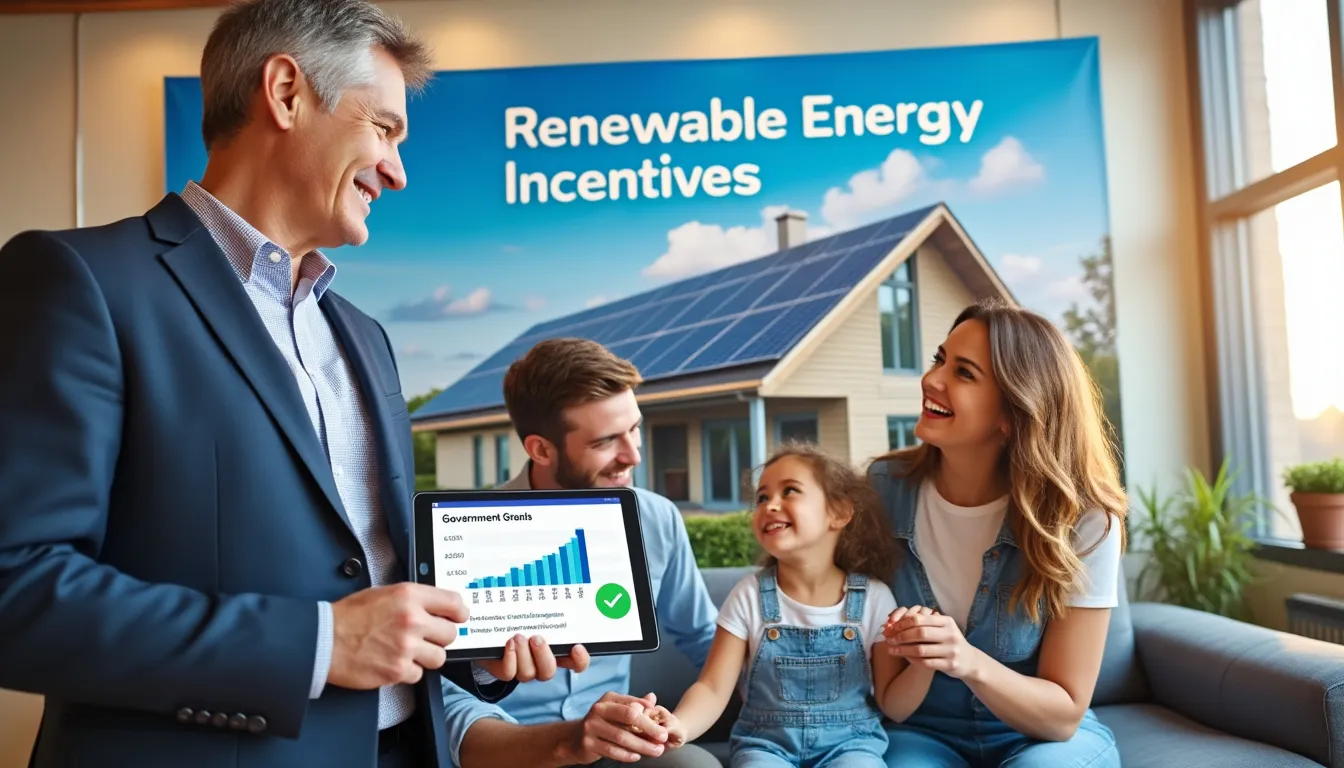
To encourage the use of low consumption technologies, the government has established several financial aids. These programs aim to reduce the installation cost of combined systems, making their acquisition more accessible.
Main aids available in 2025
If you are considering installing a combined system, here are the main aids you could request:
MaPrimeRénov': A direct aid to finance energy renovations.
Éco-PTZ: Zero-interest loan to invest in high energy performance equipment.
Reduced VAT: For energy-saving equipment.
Criteria to benefit from these aids
To benefit from these aids, it is essential to meet certain criteria:
Engage certified professionals for the installation.
Choose equipment that complies with energy performance standards.
Aid | Eligibility Conditions | Maximum Amount |
|---|---|---|
MaPrimeRénov' | Primary residence, old housing | 3,000€ |
Éco-PTZ | Primary residence, work within the year | 30,000€ |
5.5% VAT | For energy transition equipment | N/A |
FAQ on combined heating and hot water systems
What are the installation costs of a combined system?
The cost of a combined system can vary depending on the chosen equipment, but it generally ranges from €5,000 to €15,000, taking into account available financial aids.
What is the lifespan of a combined system?
A well-maintained combined system can last between 15 to 25 years, depending on the installed components.
Can I install a combined system myself?
It is highly recommended to hire a professional for the installation of a combined system to ensure the safety and compliance of the equipment.
Are there specific aids for old housing?
Yes, some aids, such as MaPrimeRénov', are specifically intended for owners of old housing who wish to carry out energy installations.
How can I maximize energy savings with my combined system?
To maximize your savings, ensure your home is well insulated, use connected thermostats for optimal control, and choose high-performance equipment.