Maintenance of a solar heating system: what is its lifespan?
5 min read
When considering the installation of a solar heating system, a crucial question arises: what is the actual lifespan of this type of equipment? In 2025, as the energy transition is at the forefront of concerns, it is essential to understand not only how thermal solar panels work but also the aspects that influence their longevity. This article guides you through the key elements to know to maximize your investment in solar heating.
Understanding the operation of thermal solar panels
Before delving into the heart of the matter concerning the lifespan of thermal solar panels, it is relevant to recall what this system consists of. Essentially, a thermal solar panel is designed to capture sunlight and convert it into heat to meet the needs for domestic hot water or heating in a home.
The process is relatively simple:
The panels are equipped with thermal collectors that absorb solar energy.
A heat transfer fluid, often a mixture of water and glycol, circulates in the circuit to transport heat to a storage tank.
A heat exchange system allows for the transfer of the heat stored in the water.
The cooled fluid is then returned to the panel to repeat the cycle.
There are two main types of systems: the Individual Solar Water Heater (ISWH) which focuses on producing domestic hot water, and the Combined Solar System (CSS) which also uses this heat to supply the heating of the home, whether through radiators or underfloor heating.
Variations related to pools and spas
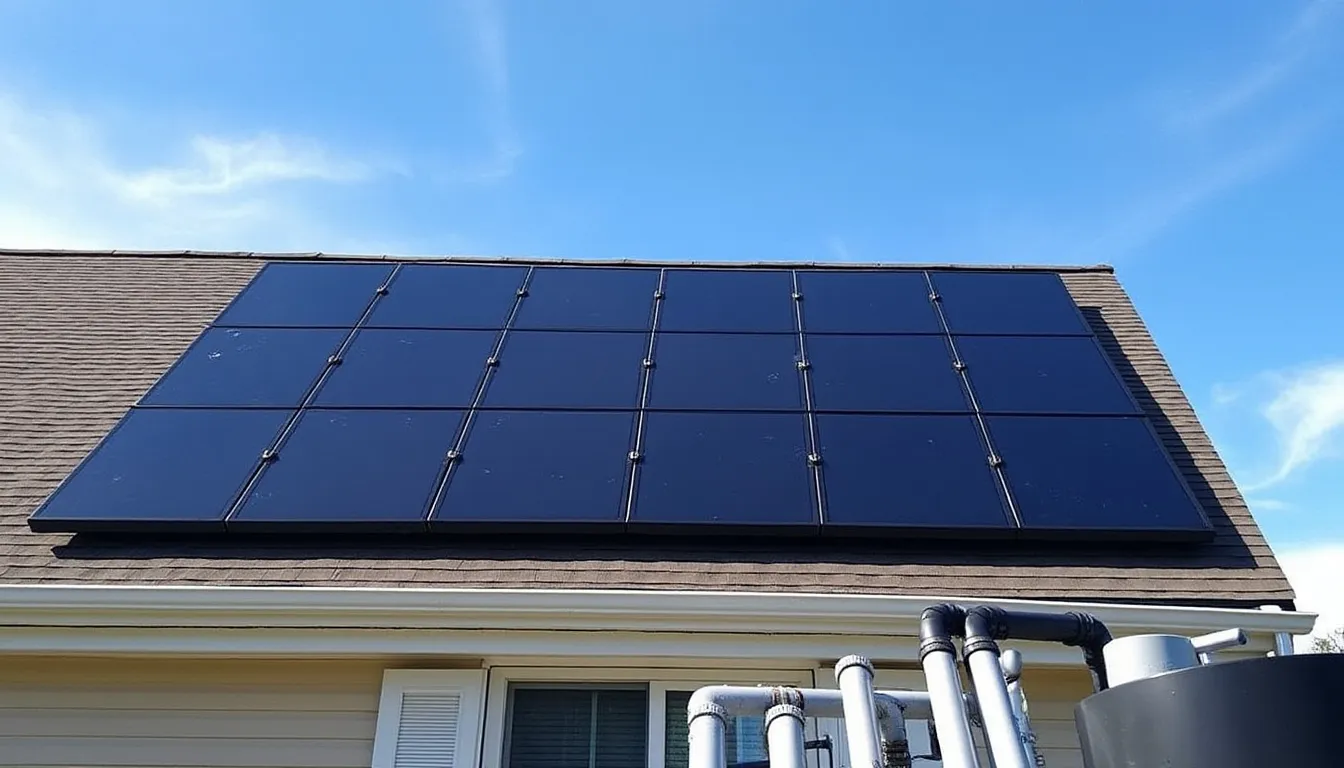
It is also essential to note that thermal solar panels can be used to heat pools or spas. In this specific case, a separate circuit for the heat transfer fluid is set up, providing an ecological and economical solution for heating water.
What is the lifespan of a thermal solar panel?
The question of the longevity of thermal solar panels is crucial for assessing their profitability. Generally, the lifespan of a panel ranges from 20 to 30 years, according to the French Environment and Energy Management Agency (ADEME). However, it is important to consider that this figure is based on the first models installed in the 1990s.
Significant technological advances made in recent years may suggest that the longevity of current panels could exceed that of these older models. Nevertheless, it is prudent to stick to a realistic estimate of a maximum of 30 years for your profitability forecasts.
Comparison with photovoltaic panels
It should be noted that the lifespan of thermal solar panels is generally shorter than that of photovoltaic panels, which can last up to 50 years of use. This criterion has direct repercussions on the overall profitability of the two renewable energy production systems.
Type of Panel | Lifespan |
|---|---|
Thermal solar panel | 20 to 30 years |
Photovoltaic panel | 25 to 50 years |
Factors influencing the durability of thermal solar panels
The lifespan of a thermal solar panel does not solely depend on its initial manufacturing. Several essential factors influence its longevity:
1. Quality of materials
The choice of materials used in the design of the panels has a direct impact on their durability. The research and development invested by manufacturers are also indicators of the final quality. Be sure to opt for reputable brands such as Solaris, Soleiltech, or ThermoSolaire, which guarantee rigorous manufacturing standards.
2. Installation conditions
An effective installation is paramount for the durability of the system. Elements such as:
The quality of the mounting supports
Compliance with standards for piping connections
Taking into account the climatic conditions specific to the region
... play a crucial role in the performance of the panels.
3. Regular maintenance
Proper maintenance is a determining factor in prolonging the life of thermal panels. Maintenance generally includes:
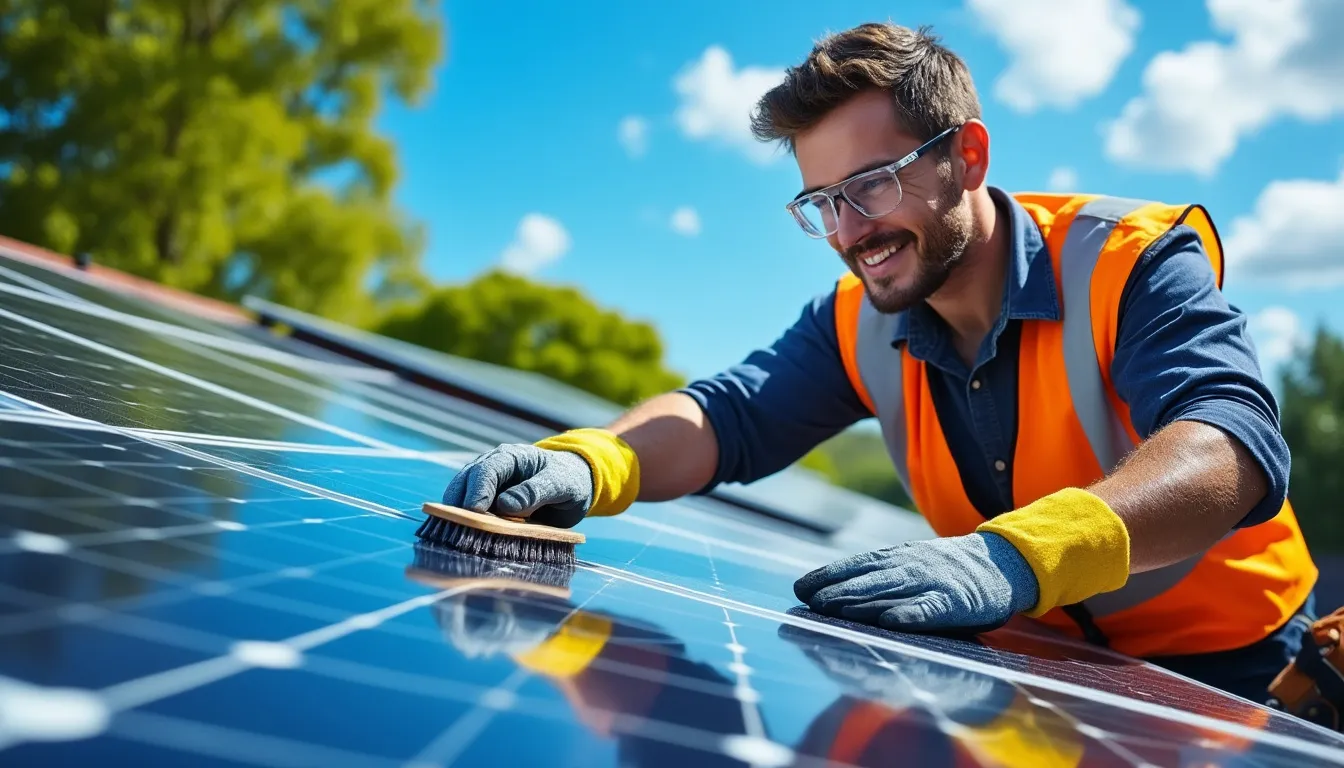
Regular cleaning of the panels to remove dust and debris.
Pressure and regulation checks at least once a year.
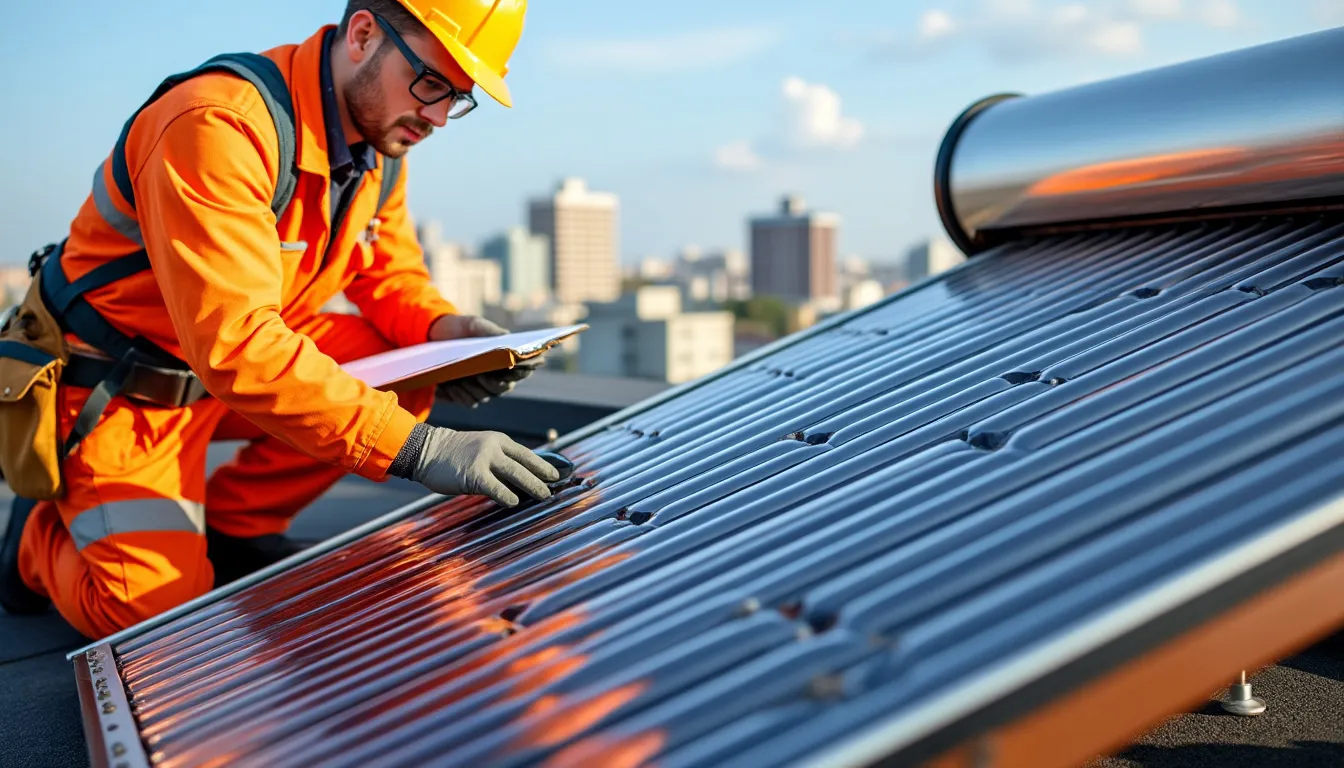
For those who prefer peace of mind, it may be wise to call in professionals to ensure proper maintenance.
The warranties available on thermal solar panels
It is essential to fully understand the different types of warranties offered when purchasing thermal solar panels:
1. Manufacturer's warranty
This warranty covers the replacement or repair of your device in case of defect over a period generally ranging from 10 to 15 years. This can serve as an indicator of the minimum durability expected from the product.
2. Production warranty
Less common for thermal panels than for photovoltaic ones, this warranty guarantees a minimum level of performance over the years, often expressed as a percentage (e.g., 85% efficiency after 20 years).
3. Installation warranties
During installation, several warranties can be established:
Decennial guarantee to cover damages related to the work performed.
Biennial guarantee for operational defects during the two years following installation.
Guarantee of perfect completion for any failure to correct within the year following installation.
Type of warranty | Duration | Details |
|---|---|---|
Manufacturer's warranty | 10 to 15 years | Replacement or repair in case of defect |
Production warranty | Variable | Guaranteed minimum performance level |
Decennial warranty | 10 years | Protection against damages from work |
Biennial warranty | 2 years | Malfunctions or breakdowns |
Guarantee of perfect completion | 1 year | Correction of defects post-installation |
How to maximize the lifespan of your thermal solar panels?
To ensure a long lifespan for your thermal panels, there are several best practices to adopt:
1. Regular maintenance
Clean your panels several times a year, using a sponge and non-pressurized water. Adjust this frequency based on the environment (presence of trees, pollution, etc.).
2. Call a professional
It is often wise to subscribe to a maintenance contract with a specialized company, such as EcoHeat or EnergiSoleil, to benefit from regular monitoring.
3. Proactive monitoring
Make sure to monitor your system to quickly detect any signs of failure. Signs such as leaks or a drop in performance require prompt action.
Opinions on the benefits of thermal solar panels
At this point, it is time to evaluate the benefits that the installation of thermal solar panels can bring:
Energy savings: Producing your own heat significantly reduces energy bills.
Reduced environmental impact: Using solar energy helps decrease the carbon footprint of your home.
Financial aids: Several aid schemes, such as MaPrimeRénov' or local subsidies, can alleviate the cost of your installation.
Benefit | Details |
|---|---|
Savings on bills | Heat production at zero cost thanks to solar energy |
Reduction of environmental impact | 100% renewable and clean energy |
Financial aids | Available subsidies depending on eligibility conditions |
FAQ about the maintenance and lifespan of thermal solar panels
Are thermal solar panels recyclable? Yes, they are mainly made of recyclable materials such as glass and aluminum.
What is the return on investment of a thermal solar system? It depends on the installation conditions and the quality of the equipment, but they generally offer good value for money.
What financial aids are available for the installation of panels? Several schemes exist: MaPrimeRénov’, Eco-PTZ, and regional subsidies.