
Underfloor heating: how to optimize the distribution of heat in your home?
6 min read
As temperatures drop, the need for optimal thermal comfort in our homes becomes paramount. Underfloor heating stands out as an innovative solution, combining aesthetics and efficiency. But how can we ensure an even distribution of heat in every room? Several factors, such as insulation, heating equipment, and room layout, come into play in this quest for flawless comfort. Simple tips, cutting-edge technologies, and proper maintenance can maximize the effectiveness of your underfloor heating system while reducing your energy bills.
The importance of good insulation for effective heating
Before discussing heating systems themselves, it is essential to consider the insulation of your home. Imagine your house as a thermos: quality insulation is crucial to keep the heat inside. Heat loss can occur through windows, walls, and roofs. Thus, the first step towards efficient heat distribution often involves reevaluating insulation.

Choosing the right insulation materials
Materials play a decisive role in energy efficiency. Here is a list of recommended insulation materials:
Fiberglass: effective against thermal loss, ideal for walls and attics.
Rock wool: fire and moisture resistant, perfect for humid environments.
Polyurethane panels: highly effective, often used for external thermal insulation.
Cellulose: an eco-friendly material, providing excellent thermal performance.
For optimal insulation, don't overlook passage points like windows. Opt for double or triple glazing, which acts as an excellent barrier against thermal loss.
Techniques to enhance the airtightness of the house
In addition to materials, the airtightness of your home is crucial. Consider:
Installing sealing joints on windows and doors
Using thick curtains to retain heat
Regularly checking ventilation ducts, which could let in cold air
In this regard, systems like Uponor and Viessmann offer advanced solutions to improve insulation and limit heat loss.
The role of attics and basements in insulation
Finally, don't forget the importance of insulating attics and basements. These spaces are often overlooked but can be weak points in heat distribution. Adopt solutions such as:
Insulating floors with insulating panels
Evaluating and improving the insulation of basement walls
Using suitable ventilation systems in attics
In summary, ensuring effective insulation is the foundation of any efficient heating strategy, even before installing complex systems.
Optimizing heat distribution with underfloor heating
Underfloor heating proves to be an innovative and effective solution, providing unmatched thermal comfort while optimizing space. But how can we maximize its effectiveness? By focusing on harmony between technology, the use of suitable materials, and good energy management.
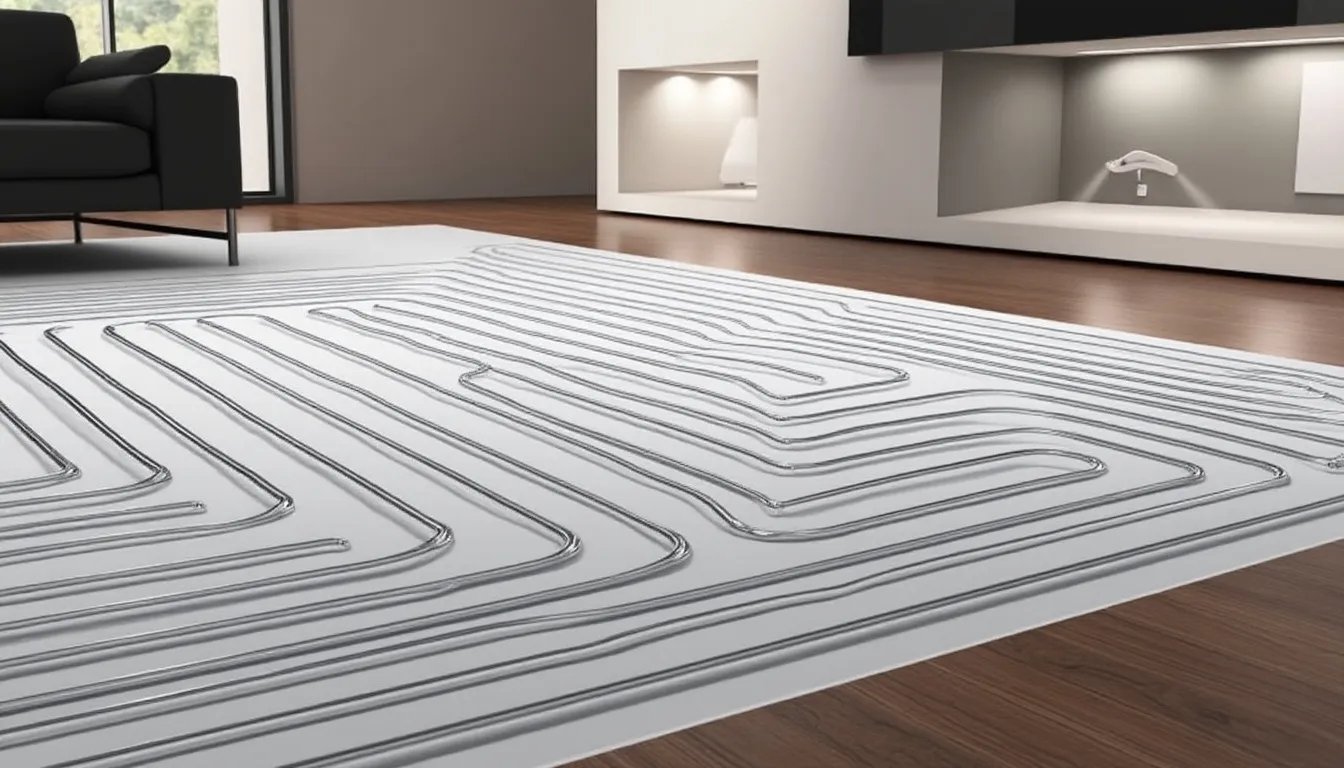
Different types of underfloor heating to consider
There are mainly two types of underfloor heating: hydraulic and electric. Each has its advantages:
Type of heating | Advantages | Disadvantages |
|---|---|---|
Hydraulic | Even heat distribution, suitable for large homes | More expensive installation, requires a boiler system |
Electric | Quick and easy installation, ideal for small spaces | Electricity cost, less efficient for large areas |
Your choice will depend on your needs, the layout of your home, and your budget.
Using smart regulators and thermostats
Integrating smart thermostats, such as those offered by Schneider Electric, allows for optimal temperature management based on your daily activities. These devices enable you to:
Adopt personalized heating schedules
Regulate temperature according to outdoor weather
Decrease energy consumption when away
A good thermostat contributes to constant and even heat while reducing your energy costs.
Materials and effective implementation of underfloor heating
When installing underfloor heating, it is crucial to choose the right components. Systems using cross-linked polyethylene tubes, such as those from Thermor, provide excellent thermal performance during heating. Likewise, using suitable screeds ensures optimal heat diffusion.
During this installation, remember to consider the placement of furniture to avoid any blockage: a sofa in front of a radiator can limit heat distribution.
Tips for improving heat distribution in each room
Beyond the technique, simple everyday actions can make a big difference in the circulation of heat in your home. These tips can help you improve heat distribution without additional investment.

Optimizing furniture and layout
Furniture can significantly influence the circulation of warm air. Here are some recommendations:
Avoid placing furniture in front of radiators or heat vents
Prefer lightweight curtains, allowing solar heat to enter your home
Use insulating rugs to increase heat retention in areas without underfloor heating
Importance of ventilation for even heat
A good ventilation system is key to a well-heated home. The Controlled Mechanical Ventilation (CMV) actively renews the air needed while preserving the heat in the rooms. Consider:
Regularly check the proper function of your CMV
Ensure that ventilation openings are not obstructed to facilitate the circulation of warm air
Exploiting natural heat gains
Finally, taking advantage of natural heat gains can enhance thermal comfort. Open your shutters or screens to let the sun in during the day, then close them at night to retain the accumulated heat. There are also interesting techniques:
Heat your home by using heat diffusing ovens
Encourage heat accumulation through massive walls, which store daytime heat
Use objects like heated stones for additional heat supply
Regular maintenance for prolonged efficiency
A heating system, whether underfloor, radiator, or stove, requires regular maintenance to operate optimally. Without appropriate care, energy costs can quickly rise, and system efficiency will be compromised.
Checking and cleaning heating elements
Conducting regular checks is essential. Here are some simple steps to integrate into your maintenance routine:
Check and clean filters in heating and ventilation systems
Inspect plumbing connections for potential leaks
Call a professional for an annual system inspection
Companies like Ferroli and Daikin offer maintenance contracts designed to ensure the proper functioning of your installations.
Evaluating boilers and heating systems
Boilers can be sources of energy efficiency gains. Consider:
Assess the performance of your boiler and consider a replacement if necessary
Use a high-performance model such as those from Wienerberger or Roth to reduce operating costs
Consult a professional for recommendations suited to your home
Anticipating future needs
Anticipating potential changes in your home can also influence your heating needs. Consider long-term solutions such as:
Investing in high-efficiency devices that fit the size of your space
Thinking about combined installations, such as underfloor heating coupled with solar panels
Every step counts in maintaining a pleasant and warm interior.
FAQ
What is the difference between hydraulic underfloor heating and electric underfloor heating?
The hydraulic underfloor heating uses hot water circulating through pipes to heat the space, whereas electric heating relies on electric cables to generate heat. This means that the first is generally more suitable for large areas, while the latter is often preferred for small rooms.
How do I know if my house needs better insulation?
Signs such as drafts, high heating bills, or temperature variations between rooms can indicate the need for improved insulation. You can also conduct an energy audit with a professional to assess your situation.
Is it possible to install an underfloor heating system in an existing house?
Yes, it is entirely possible to install underfloor heating in an existing home, although it may require significant work. Technical solutions like electric heating or the use of special screeds can minimize interventions.
How can I keep my underfloor heating system in good condition?
Perform regular maintenance, check filters and pumps, and call professionals for an annual inspection. Also consider adjusting the temperature with smart thermostats to avoid overloading your system.
What are the benefits of a smart thermostat?
A smart thermostat allows you to program the temperature according to your habits, track your energy consumption, and optimize heating management, thereby reducing your bills.