
What is the ideal temperature for optimal comfort in your living room?
3 min read
In a world where home comfort has become a priority, defining the ideal temperature for your living room is crucial. With technological advancements and the emergence of smart homes, it is easier than ever to create an environment conducive to well-being. Whether you want to enjoy a cozy evening or welcome friends, adjusting the temperature plays a key role in your comfort. Especially since home automation now allows you to regulate your living space with ease.
Understanding the notion of thermal comfort
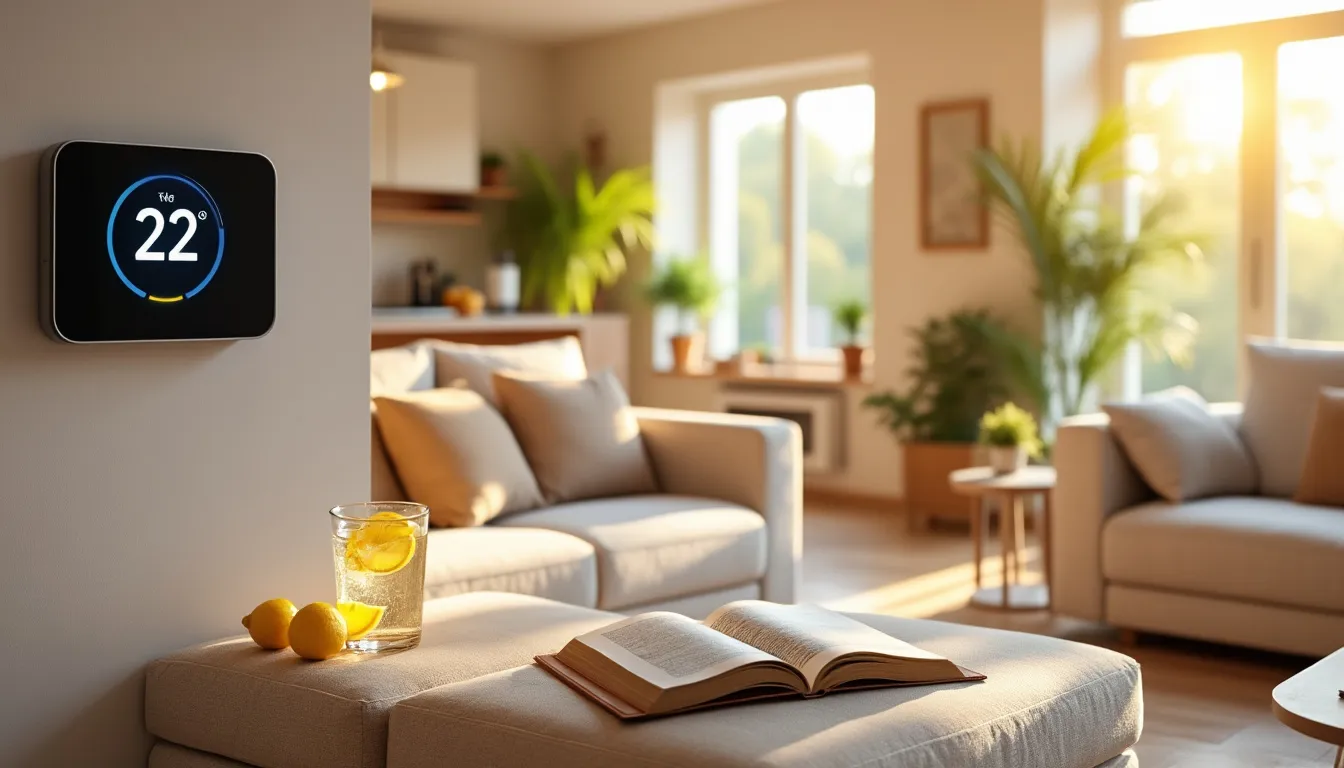
Before diving into the numbers and recommendations, is it pertinent to understand what thermal comfort really means? This term refers to an individual's sensation of well-being in response to the thermal conditions of a given environment. Heat, humidity, and air circulation all influence our perception of temperature. According to various studies, an "ideal" ambient temperature generally lies around 20 to 22 degrees Celsius for living spaces.
The factors influencing thermal comfort
Many elements can impact the perceived temperature, including:
Humidity: A high humidity level can make a room feel hot and stuffy, even at an adequate temperature.
Furniture: The materials used and wall colors can influence the warmth of the room.
Windows: Heat loss through windows is a major source of energy waste.
Heating system: The quality of your heating installation (radiators, wood stoves, heat pumps) plays a crucial role.
Proper heating solutions for optimal comfort
In 2025, choosing a heating system that meets your needs is essential. Various options are available, each with its specifics. Here are three systems that I often recommend:
Heating type | Advantages | Disadvantages |
|---|---|---|
Underfloor heating | Evenly distributed heat | High installation cost |
Hot water radiators | Ease of use | Possible heat losses |
Heat pumps | Energy efficiency | High initial price |
Each of these systems has its own characteristics, and the ideal choice will depend on your budget, the size of your space, and your lifestyle preferences.
The importance of home automation in thermal management
Home automation has transformed our interiors by making our homes smarter. With connected devices, it is easier to adjust the temperature in your living space. Products from brands like Thermor, Delonghi, and Nexity offer various solutions. Here are some useful options:
Smart thermostats: They learn your habits and adjust the temperature automatically.
Remote controls: Control your heating via a mobile app, wherever you are.
Multi-zone systems: Allow heating only certain areas according to needs.
These technologies not only promote comfort but also help reduce your energy bill.
Common mistakes to avoid for effective heating
There are various recurring mistakes that compromise your home comfort, even with an optimized heating system. Some of them include:
Not properly setting the thermostats, leading to unnecessary temperature variations.
Neglecting regular maintenance of heating equipment, reducing their performance.
Not taking advantage of natural heat sources, like the sun, which can warm your living spaces.
By being aware of these mistakes, you can improve the thermal management of your home.

The impact on your energy bill
Inappropriate heating leads to energy waste, which directly affects the cost of your energy bill. Adopting virtuous practices and modern technologies can alleviate these costs. In 2025, there are various government aids and subsidies that support the energy transition. Follow the advice of specialists like those from Darty, Leroy Merlin, or Castorama for a performing and cost-effective installation.
FAQ: Frequently asked questions about the ideal temperature for your living space
What temperature should I set for my living space?
The recommended temperature for comfort in your living space is between 20 and 22 degrees Celsius.
How do connected devices improve thermal comfort?
They allow for effective temperature regulation, adapting to your specific needs and reducing energy costs.
What are common mistakes to avoid regarding heating?
Inappropriate thermostat adjustments, lack of maintenance of heating systems, and neglecting natural heat sources are frequent mistakes.
Can heating systems combine comfort and savings?
Yes, modern systems, particularly heat pumps and smart radiators, offer excellent energy efficiency.
Should I contact a professional for the installation of my heating system?
It is recommended, especially for complex systems, to ensure optimal and sustainable operation.