
Renovation of a heating system: key steps for successful planning
5 min read
When it comes to renovating a heating system, many homeowners face a major challenge: how to effectively plan this work while maximizing energy savings and reducing their carbon footprint? At a time when the energy transition is at the heart of concerns, it is essential to carefully navigate through the various steps that will lead to a successful renovation. This article will guide you through the key elements to consider for a thoughtful and effective approach, whether you are an owner-occupied, landlord, or even a tenant.
Assessing the energy performance of your home
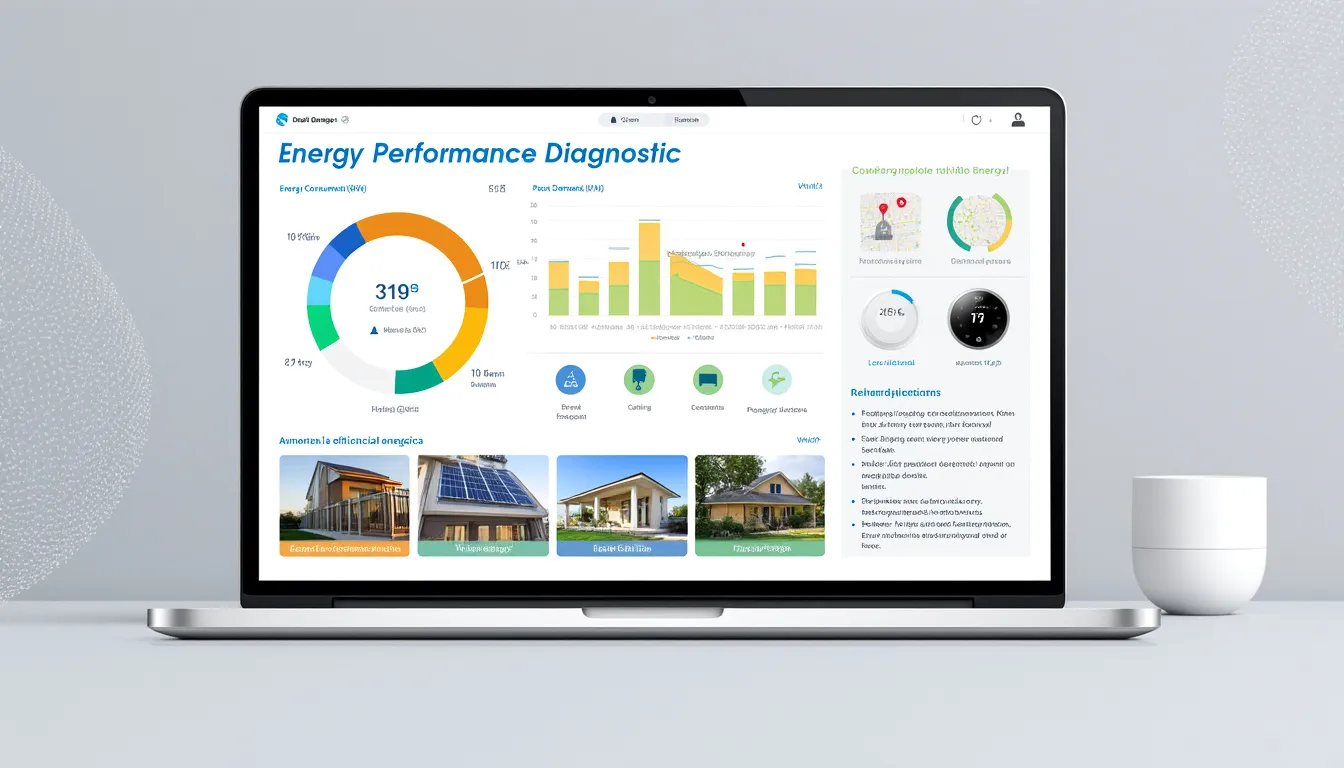
Before diving into renovation work, it is crucial to take stock of the current energy performance of your home. This first step is often summarized by the Energy Performance Diagnosis (DPE), an essential document that reveals the energy consumption and greenhouse gas emissions of your property.
Established by a certified professional, the DPE assigns a rating ranging from A to G, where A represents the best performance. A home rated F or G is considered an "energy sieve," and under the ever-evolving regulations, it is expected that the rental of such homes will be prohibited by 2034.
Here are the main points to check during your DPE:
Windows and openings (doors, double-glazed windows)
Heating system (old boilers, fuel heating, gas, or electricity)
Ventilation and heat loss through thermal bridges
Gathering this information will not only allow you to understand the situation of your home but also to identify the work that will have the most impact on your energy performance.
Determining the improvements to be made
Once you have obtained your energy diagnosis, it is time to identify the improvements to implement. With this data, you can prioritize the work based on its impact on the energy class of your home. The most common actions include:
Strengthening insulation (roofs, walls, windows)
Replacing old boilers (e.g., Ferroli, De Dietrich, Remeha) with more efficient and environmentally friendly models
Improving the ventilation system
Installing renewable equipment, such as solar panels (Viessmann, Atlantic)
Furthermore, reviewing your heating system can play a decisive role in the energy optimization of your home. Modern boilers offer better performance and significant long-term savings.
Type of work | Energy impact | Estimated cost |
|---|---|---|
Attic insulation | Up to 30% savings | €5,000 |
Boiler replacement | Up to 40% savings | €8,000 |
Solar panels | 60% reduction in electricity bill | €15,000 |
Financial aids available for renovation
In order to support homeowners in carrying out energy improvement work, several aid schemes have now been implemented. This helps to reduce the overall cost of renovation and encourages the energy transition.
Here are the main financial aids to consider:
MaPrimeRénov’: A grant available to homeowners and tenants, mainly for heating, hot water, and insulation.
Zero-interest eco-loan (Éco-PTZ): This aid allows borrowing interest-free up to €50,000 to finance energy performance work.
Energy savings certificates (CEE): Offered by energy suppliers to encourage renovations.
Local aid or tax exemptions depending on the regions.
Reduced VAT at 5.5% on certain work, which is a significant advantage for lowering costs.
It is important to check your eligibility for these aids in order to create a solid and complete application to maximize your renovation budget.
The conditions for obtaining aids
To benefit from various grants and financial aids, it is often necessary to meet certain conditions, such as:
Entrusting the work to a RGE (Recognized Environmental Guarantee) professional
Meeting certain technical and execution standards
Submitting a request for aid before the work begins
Justifying all expenses incurred
These criteria ensure that the work undertaken is of high quality and meets current energy standards.
Choosing the right professional for the renovation of your heating system
One of the key steps in this renovation is choosing the right professional to carry out this work. It is essential to verify the qualifications of the craftsmen. Prefer companies that have an RGE label, which guarantees their competence in the field of energy renovation.
By comparing estimates and asking specific questions about their experience, you ensure that the work will be done according to the required standards.
Reputable brands such as Saunier Duval, Viessmann, Atlantic, Buderus, Chaffoteaux, Bosch, or Vailant offer quality equipment that can improve the performance of your heating system and reduce your energy bills in the long term.
Criteria for choosing a craftsman
To select the right professional for your renovation project, here are some criteria to consider:
Certifications and qualifications (RGE, professional insurance)
Experience and specialization in similar work
Quality/price ratio of the estimates
Reviews and testimonials from previous clients
By taking the time to select a competent professional, you ensure good work practices, quality assurance, and the ability to access financial aids.
Heating system brands | Type of system | Advantages |
|---|---|---|
Ferroli | Gas boilers | Reliability and high efficiency |
De Dietrich | Condensing boilers | Eco-friendly and economical |
Remeha | Heat pumps | Renewable energy and significant savings |
Viessmann | Hybrid boilers | Flexibility and optimal performance |
Saunier Duval | Wall-mounted boilers | Compactness and easy installation |
Effectively ensuring your home after renovation
Once your energy renovation project is completed, there remains a crucial step: insuring your home. Whether you are an owner-occupier or a landlord, it is vital to insure your property, especially after investing in significant improvements.
For this, several options are available to you:
Comprehensive home insurance: Covers damage to the structure of your home and your belongings.
Non-occupant property insurance (PNO): Preferable if you rent your property.
Tenants' insurance: It is mandatory for tenants, and a certificate must be provided to the landlord.
Be sure to read your contract carefully to know the guarantees offered, particularly regarding recent renovations. In the event of a claim, you will be effectively protected.

Preparing insurance after renovation
To ensure comprehensive coverage, it is important to:
Conduct an inventory of the new installations and renovations.
Inform your insurer of the work done and its cost.
Review the guarantees subscribed to ensure optimal protection.
A dialogue with your insurer and good preparation ensure that you are well protected against any unforeseen events.
FAQ
What financial aids are available for energy renovation?
The main aids are MaPrimeRénov’, the Éco-PTZ, the Energy Savings Certificates (CEE), as well as local or regional subsidies. It is advisable to check the eligibility criteria to benefit from them.
How to choose a RGE professional for my work?
Check the qualifications, experience in similar projects, and request detailed quotes. Reviews from previous clients can also help you in your choice.
What is the best investment to reduce my energy consumption?
Improving the insulation of your home and modernizing your heating system are the most recommended actions. Recent boilers and heating systems, such as those from Bosch or Vailant, can significantly improve your energy performance.
What is the first step to start an energy renovation?
The first step is to carry out an Energy Performance Diagnosis (DPE) to evaluate the current state of your home and identify the most urgent work to be done.
Is home insurance mandatory after renovations?
Yes, whether you are an owner-occupier or a tenant, home insurance is important to protect your investment. As a landlord, you also have the option to choose non-occupant property insurance.