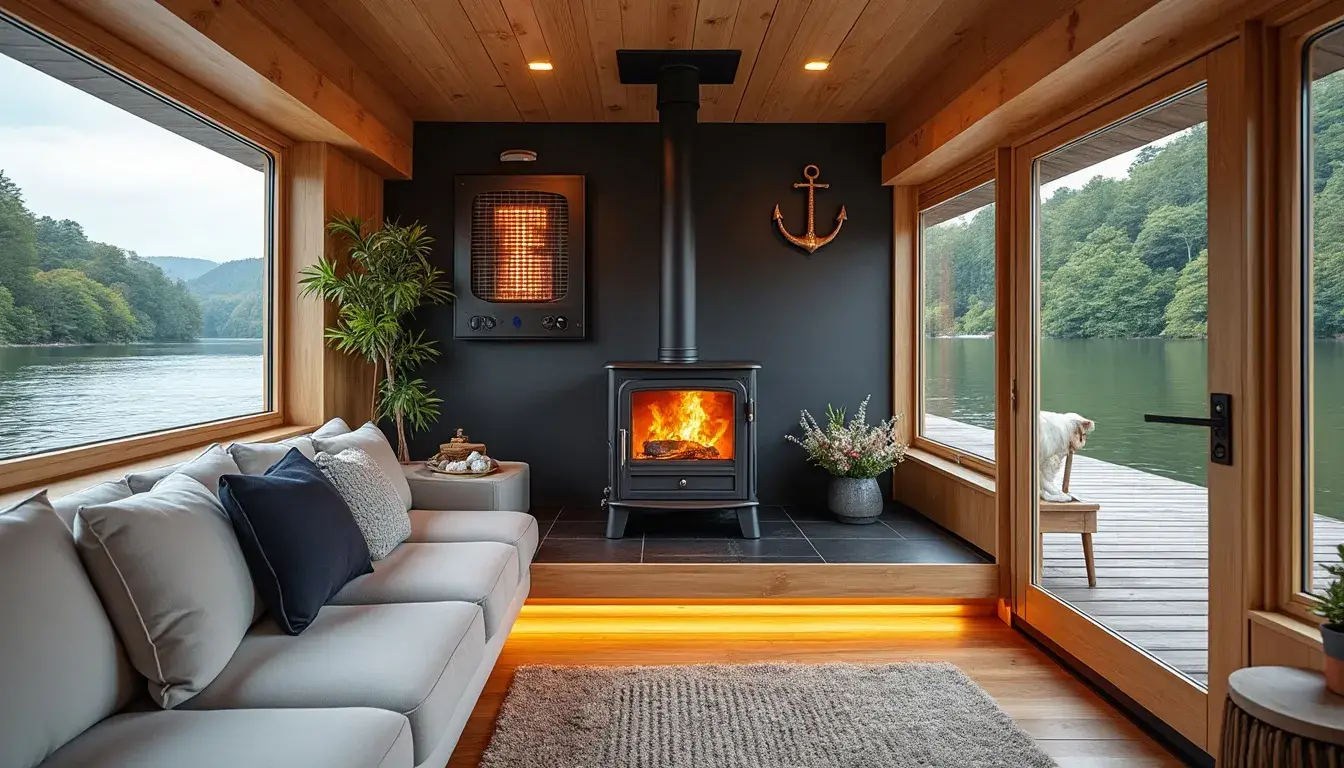
Heating a barge: what suitable solutions for a floating dwelling?
4 min read
Living on a barge offers a unique way of life where water and land meet. Houseboats, whether moored or navigable, are attracting more and more enthusiasts seeking an environmentally friendly and original alternative. However, a crucial question arises: how to ensure effective heating in these unusual habitats? In this article, we will explore the different heating solutions suitable for barges, while highlighting their advantages, disadvantages, and technical considerations.
Understanding the Functioning of Houseboats
Before addressing heating solutions, it is essential to define what a houseboat is. A barge is a floating structure, often moored to a dock or residing on navigable waterways. Unlike houseboats, they offer comfort comparable to traditional homes. In general, they are equipped with running water systems, electricity, and heating.
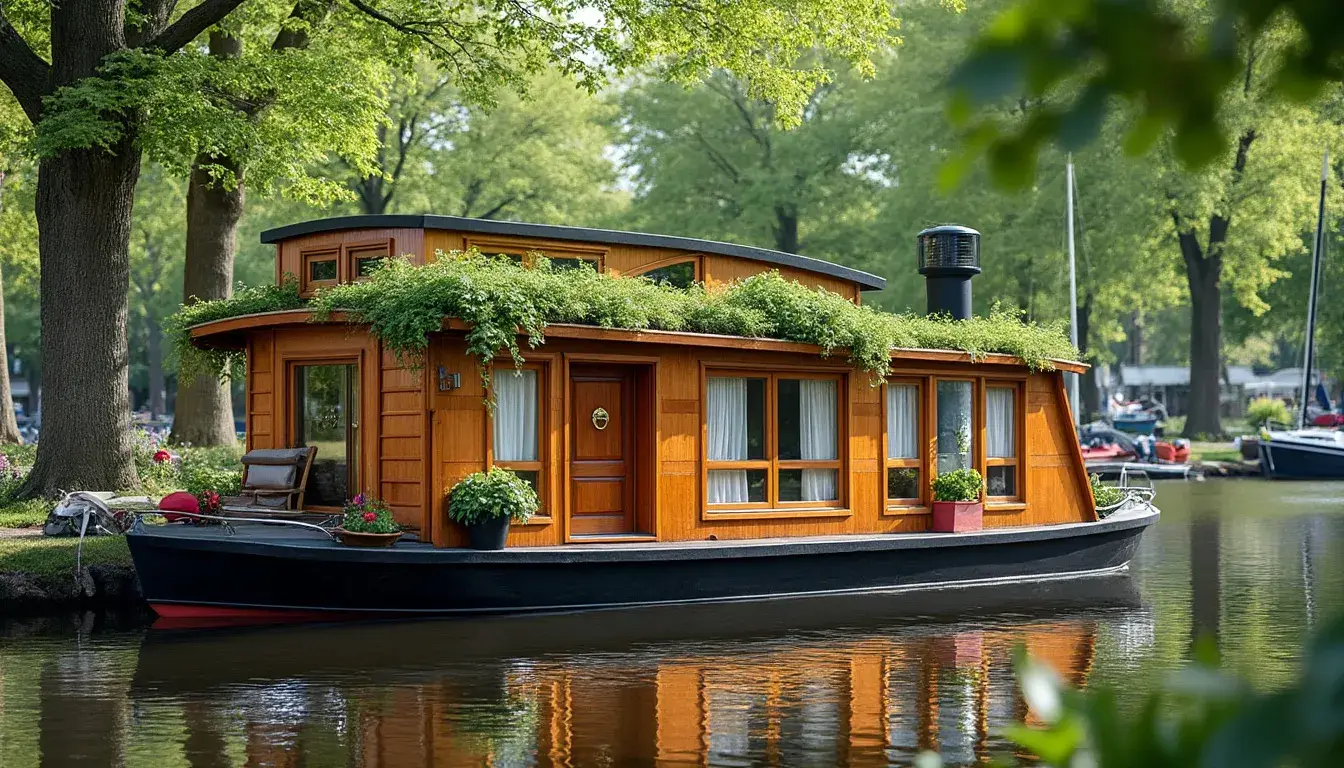
Barges are classified into several categories, including:
Converted Barges: Reserved for maximized spaces, they are renovated to offer all modern comforts.
Pontoon Houses: Built on concrete or metal pontoons, offering high stability.
Mobile Floating Houses: Designed for navigation, they are equipped to move.
The Need for a Suitable Heating System
A major challenge for floating homes is ensuring adequate heating while respecting the specific technical constraints of aquatic living. For example, heat must be evenly distributed to avoid humidity and condensation, which could damage the structure or harm the health of the occupants.
Heating Options for Barges
There are several heating options specially adapted to barges. Here are some of the most commonly used solutions:
Type of Heating | Features | Advantages | Disadvantages |
|---|---|---|---|
Electric Heating (e.g., Dimplex, Thermor) | Convector or storage radiator system. | Easy to install, no risk of humidity. | Cost of electricity, dependency on the grid. |
Wood Heating (e.g., DeLonghi) | Wood stoves or fireplaces. | Independence, warm ambiance. | Regular maintenance, risk of smoke emission. |
Heat Pumps (e.g., Stiebel Eltron) | Air-to-water or geothermal systems. | Ecological, very efficient operation. | High initial cost, need for space for outdoor units. |
Gas Heating (e.g., Ferroli) | Gas boilers or gas heaters. | Quick heating, affordable operating cost. | Risk of leaks, need for ventilation. |
Floating Heating | Specific systems for floating homes (e.g., Caleos). | Perfect integration, environmentally friendly. | Purchase and installation costs are often higher. |
The Environmental Benefits of Heating Solutions
Choosing eco-friendly heating is often a major concern for the owners of floating homes. Here are some points to consider:
Use of Renewable Energies: Many systems can be coupled with solar panels, further reducing the carbon footprint.
Durable Materials: Wood stoves generally use local wood, thus helping reduce CO2 emissions.
Modular Solutions: Heating systems can be adapted based on the specific needs of the occupants, maximizing their efficiency.
Practical Considerations for Heating in a Barge
It is crucial to assess several factors before opting for a heating system. On one hand, the size of the space to be heated greatly influences the type of system to choose. On the other hand, budget plays a determining role in the solutions considered. Here are some points to keep in mind:
Installation and Maintenance Budget
The costs associated with installing a heating system should be realistically considered. For example, electrical systems such as those offered by Airelec are often more affordable to install, but electricity expenses can quickly add up.
Energy Consumption
Another important point is energy consumption. High-energy-efficiency solutions, such as heat pumps, may require a higher initial investment, but they can lead to savings in the long run due to their efficiency.
It is often recommended to perform an energy audit to identify needs and choose the most suitable solution.
The Challenges and Solutions for Floating Homes
Heating in floating homes is an area that can present particular challenges. Climate variations, humidity, and adaptation to the movement of water are factors to consider. Here are some common challenges:
Humidity: With humidity being present permanently, it is essential that the chosen systems allow for good air circulation.
Extreme Temperatures: In winter, the need for heat is crucial, while effective insulation is necessary to avoid overheating in summer.
Safety: Heating systems must have safety devices to prevent fire or poisoning risks.
Adaptation Solutions
Solutions exist to overcome these challenges:
Appropriate Ventilation: Install ventilation systems to avoid condensation.
High-Performance Insulation: Invest in quality insulating materials to limit heat loss.
Automation: Use smart thermostats to effectively manage temperatures.
Regulations and Legislation
When installing heating systems, local legislation must be strongly considered. Depending on the location of your barge, there may be specific regulations regarding the installation of heating systems.
Make inquiries and ensure your installation complies with all established standards to avoid potential penalties.
FAQ - Barge Heating
What are the most effective heating systems for a barge?
Heat pumps and floating heaters are often considered the most effective in the long term.
Is it possible to use renewable energies for heating a barge?
Yes, solutions using solar panels or biomass are becoming increasingly common.
What are the typical costs for installing heating in a barge?
The cost can vary between 3000 and 10000 euros depending on the type of system chosen and the necessary work.
How to ensure good insulation in a barge?
Use quality insulating materials at the level of walls, windows, and floor.
Are there financial aid options available for installing a heating system in a barge?
Grants and tax credits are often available to encourage energy renovations.