Understanding the operation and maintenance of your automatic wood boiler
5 min read
Automatic wood boilers are becoming increasingly popular due to their energy efficiency and reduced ecological footprint. In a world seeking sustainable solutions, these devices emerge as interesting alternatives to gas or oil boilers, while allowing for comfortable heating. But how do they actually work? What are the secrets of their maintenance? This article enlightens you on these essential questions to maximize the use of your wood boiler.
How the automatic wood boiler works
To properly understand an automatic wood boiler, it is important to familiarize yourself with its specifics and functioning. Unlike traditional boilers, which burn fossil fuels, wood boilers utilize a renewable material: wood in the form of logs, pellets, or chips.
The main components
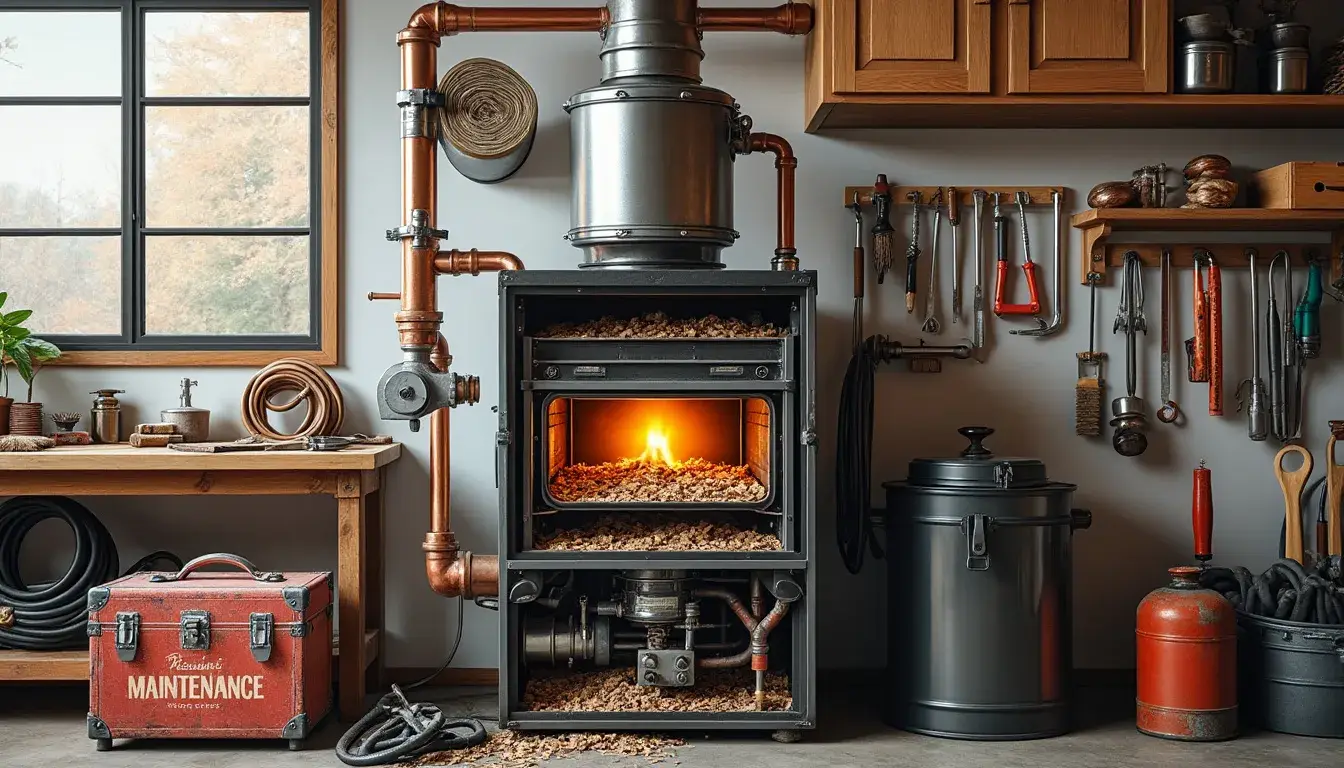
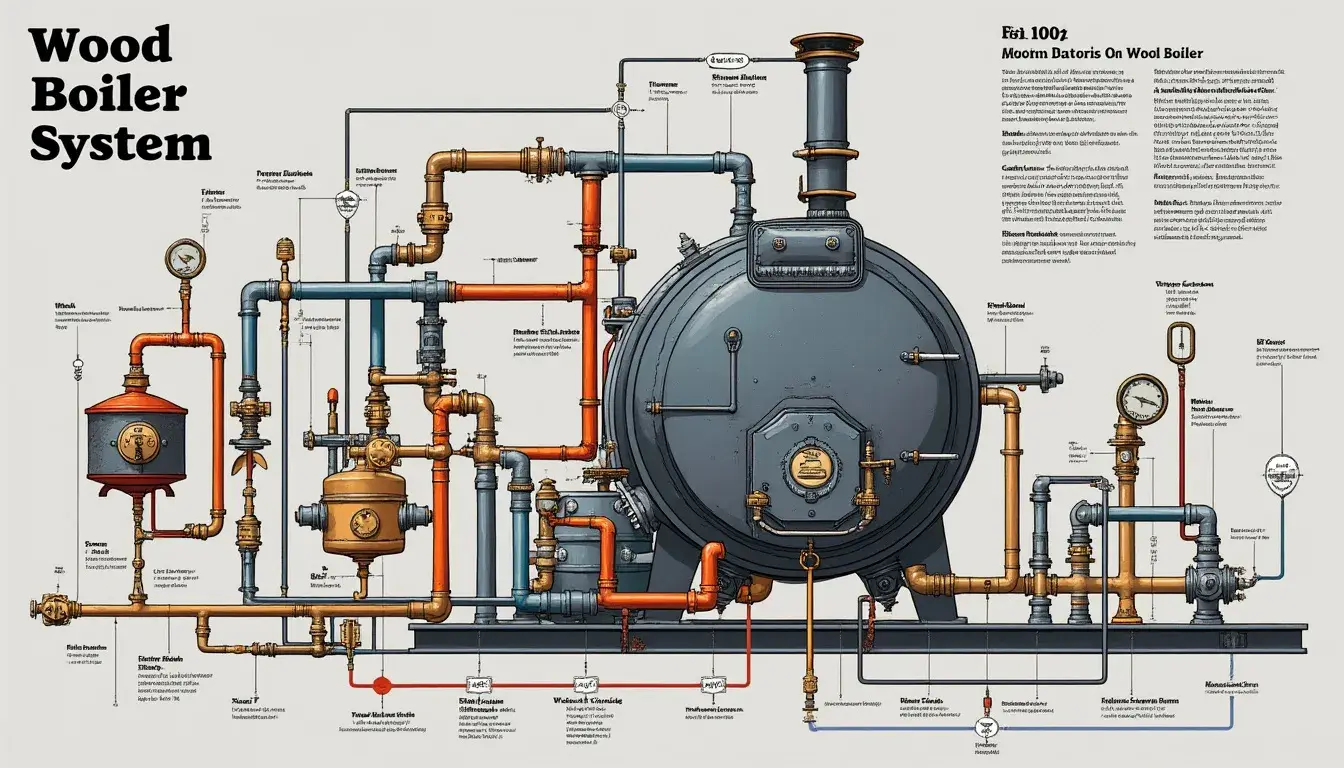
Combustion chamber: This is where the wood is burned. It is designed to maximize combustion and reduce harmful gas emissions.
Heat exchanger: This component plays a crucial role by recovering the heat produced during combustion to transform it into hot water that supplies the heating network.
Filling area: This is the space where logs or pellets are introduced, allowing for continuous operation by ensuring sufficient autonomy.
The larger the volume of the filling area, the longer the boiler benefits from prolonged autonomy. For example, a boiler designed to operate with 50 cm logs will allow for superior autonomy compared to a boiler using pellets.
The importance of ecological fuels
Using wood as fuel has many advantages. In addition to being renewable, it contributes to the reduction of greenhouse gas emissions. According to studies, a well-maintained wood boiler can offer an efficiency of over 90%, thus allowing for effective heating while respecting the environment. However, the quality of the wood is crucial. It is recommended to use well-dried wood, with a moisture content not exceeding 20%. This ensures optimal combustion and reduces the risk of tar formation.
To visualize the operational principles of a wood boiler, I invite you to consult this video that explains in detail the combustion process and the benefits of proper functioning.
Maintenance of a wood boiler: the steps to follow
Maintaining a wood boiler is essential to ensure its longevity and efficiency. Moreover, since 2009, annual maintenance is required by law for all wood heating systems.
Frequency and types of maintenance
Annual check-up: Hire a certified RGE (Recognized Environmental Guarantee) professional for a complete diagnostic of your boiler.
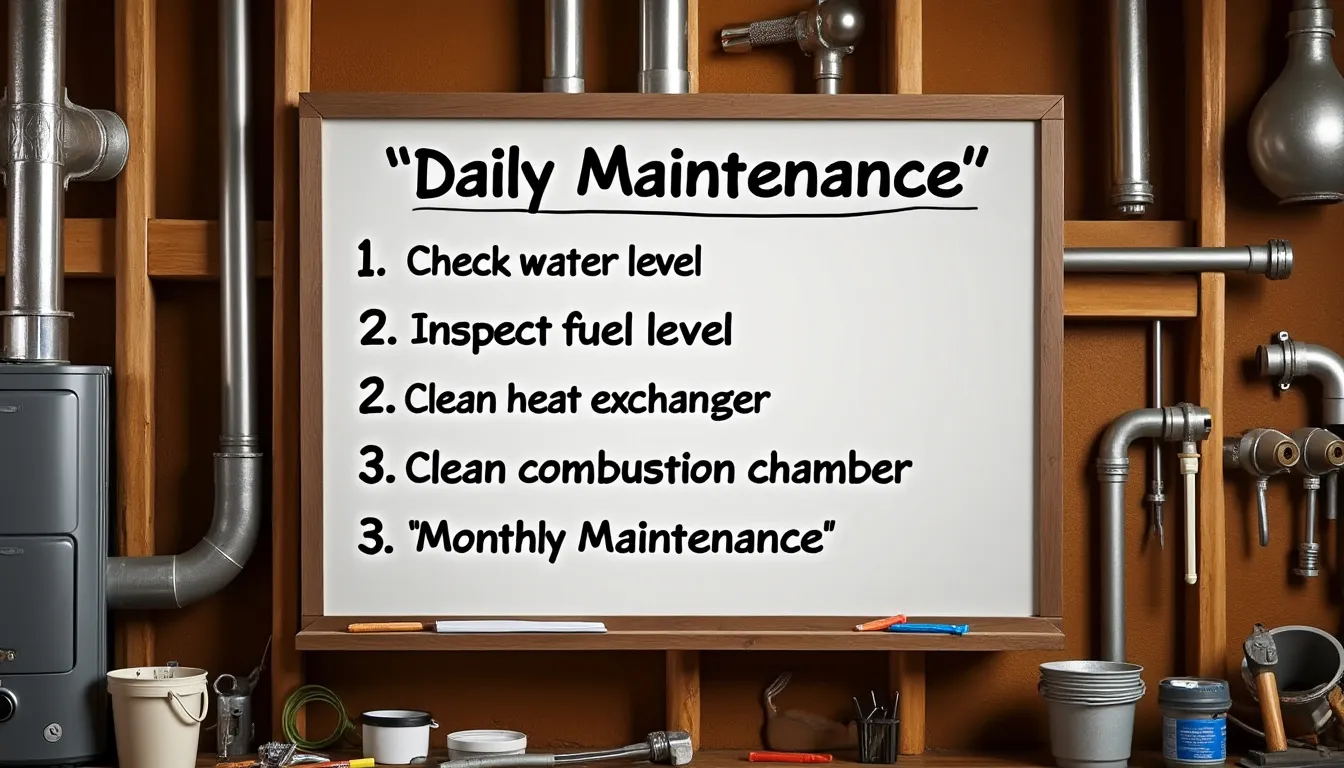
Cleaning of the combustion chamber: It is necessary to regularly remove the ashes that accumulate to avoid any potential malfunctions.
Sweeping of the flue ducts: This operation must be performed at least once a year to ensure the safety of your installation and prevent fire risks.
Neglected maintenance can lead to reduced efficiency, excessive fuel consumption, and an increasing energy bill. Speaking of maintenance, sweeping is particularly crucial, as blocked ducts can create creosote deposits, increasing fire risks.
The importance of a buffer tank for optimizing operation
Installing a buffer tank is a winning strategy to improve the operation of a wood boiler. By allowing for optimal use, the buffer tank stores the energy produced and helps regulate the temperature of your heating system.
Energy reserve: The buffer tank acts as a reservoir that stores heat for later use.
Fuel savings: By avoiding heating water on demand, this system allows for significant savings.
Maximization of power: By keeping the boiler at its maximum efficiency, you reduce the risk of pollution due to incomplete combustion.
Type of maintenance | Recommended frequency | Importance |
|---|---|---|
Professional check-up | Annual | Check overall condition and safety |
Cleaning of the combustion chamber | Monthly | Avoid overconsumption |
Sweeping of the ducts | Annual | Prevent fire risks |
Financial aids for the installation of wood boilers
As part of the energy transition, there are numerous financial aids available for the installation of wood boilers. Whether through government grants or tax credits, homeowners can benefit from significant financial support.
Aids and possible subsidies
Tax credit for energy transition (CITE): Allows you to deduct part of the expenses incurred for the installation.
Support from ANAH: The National Agency for Housing offers grants under certain income conditions.
Zero-interest eco-loan: Allows you to finance energy renovation works without interest.
It is important to regularly check the eligibility conditions, as they may vary from year to year. In 2025, developments accompany the transition to more environmentally friendly heating systems, and specific aids will emerge.
Assessment of installation costs for a wood boiler
The setup of a wood boiler can represent a significant initial investment, but the long-term savings are undeniable. On average, here is the budget to be anticipated for the purchase and installation of these boilers:
Type of boiler | Average cost (installation included) | Potential annual savings |
|---|---|---|
Log boiler | 3,500 - 6,000 € | 800 - 1,200 € |
Pellet boiler | 5,000 - 10,000 € | 1,000 - 1,500 € |
Chip boiler | 10,000 - 15,000 € | 1,500 - 2,000 € |
Optimizing the use of your wood boiler
To ensure optimal performance of your wood boiler, several good practices can be adopted daily. By modifying a few habits, you can significantly improve the efficiency of your installation.
Best practices for use
Choose quality wood: Species such as oak or beech are ideal for better efficiency.
Adjust the temperature: Maintain a constant temperature to avoid unnecessary heating cycles.
Monitor the moisture content: Wood that is too wet leads to incomplete combustion and thus residues.
It is also advisable to maintain good air circulation around your wood boiler. This not only reduces fire risks but also optimizes combustion.
Recognized wood boiler brands in the market
Many brands offer reliable and high-performance wood boilers. Here are some of the most recognized in the sector:
Frisquet: Famous for its quality and durability.
De Dietrich: Known for its innovative and efficient products.
Viessmann: Expert in energy efficiency.
Atlantic: Supplier of compact and effective boilers.
Saunier Duval: Renowned for its wood heating systems.
FAQ
What are the differences between log, pellet, and chip boilers?
Log boilers operate with wood cut into pieces, while pellet boilers use small compressed granules, and chip boilers burn smaller pieces of wood from pruning or residues.
How do I know if my wood boiler is operating correctly?
Good operation is indicated by consistent heat production, an absence of excessive smoke, and brown ashes. If you notice any deviations, it is advisable to have a check-up.
What type of wood is most recommended for my wood boiler?
It is advisable to use hardwood, such as oak or beech, at a low moisture content (less than 20%) for efficient combustion and good efficiency.
Can I benefit from a tax credit for a wood boiler?
Yes, several aids are available, including the tax credit for energy transition, under certain eligibility conditions.