Comparison of air-water heat pumps: detailed performance and prices
4 min read
Air-water heat pumps have become a preferred choice for heating homes in France due to their energy efficiency and ability to reduce energy bills. In 2025, these devices continue to evolve, offering various options to meet the needs of different types of housing. In this article, we will explore the best air-water heat pumps, analyze their performance, compare their prices, and help you choose the one that best suits your situation.
Characteristics to consider when choosing an air-water heat pump
Before diving into the model comparisons, it is essential to know the criteria that influence the choice of an air-water heat pump. Among the elements to consider are:
Heating capacity: This factor indicates the ability of the device to produce heat. For example, for a 100 m² home, a capacity of around 8 kW is often recommended.
Coefficient of performance (COP): This number should ideally be greater than 3.4 to ensure the energy efficiency of your pump.
Noise levels: A quiet model, with a noise level of less than 35 dB, can be crucial for homes close to neighbors.
Compatibility with existing heating systems: Some pumps work better with low-temperature radiators, while others are designed for high-temperature heating.
Additional features: The possibility of air conditioning or supplying domestic hot water can also be a plus.
The best air-water heat pumps in 2025
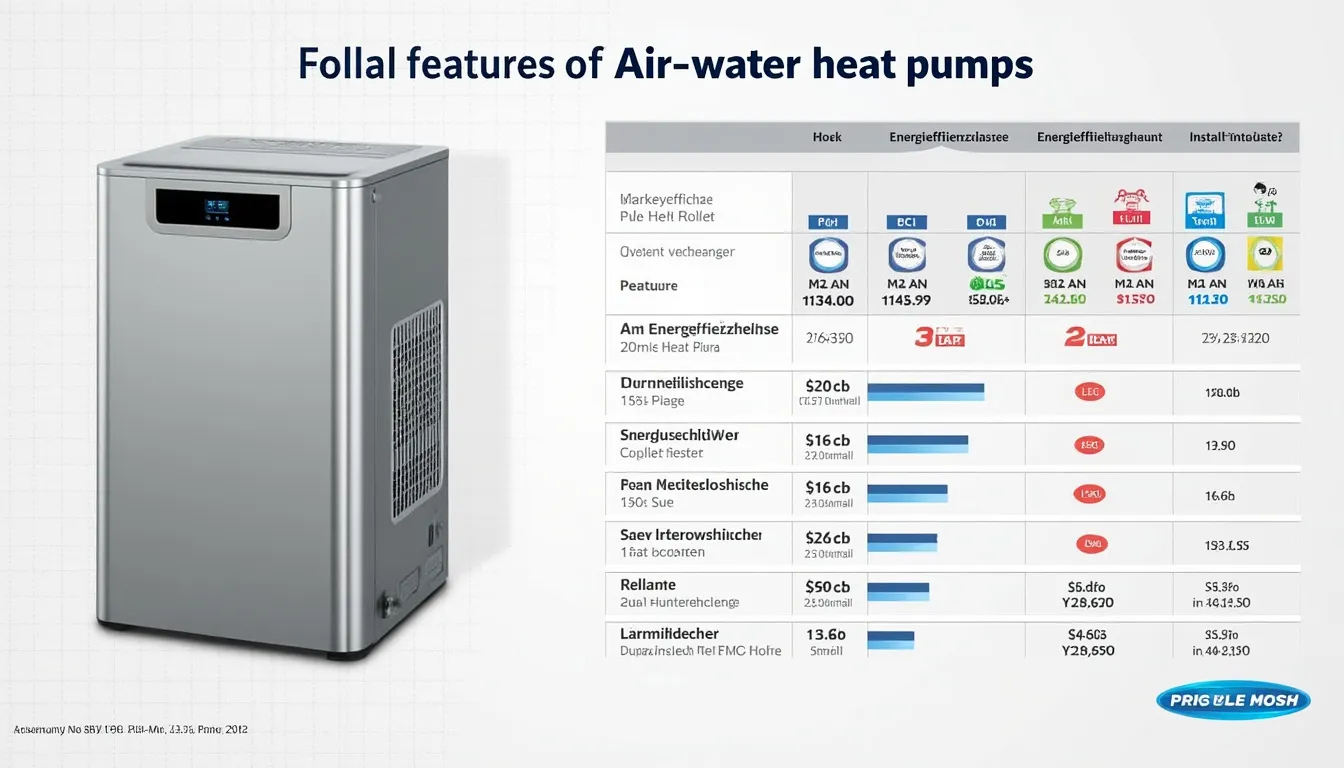
Now, let’s take a look at some of the best models available in 2025, along with their main characteristics, advantages, disadvantages, and prices:
Model | Starting Price | Power (kW) | COP | Advantages | Disadvantages |
|---|---|---|---|---|---|
Atlantic ALFEA EXTENSA A.I. R32 | €11,997 | 3 to 10 | NA | Class A++, quiet | No air conditioning |
Thermor AEROLIA | €9,118 | 8 to 17 | 4.5 | Compatible with all types of emitters | Outdoor unit can be noisy |
Saunier Duval GeniaSet Max 12 | €15,635 | 4 to 15 | 4.3 - 4.7 | Compact, quiet | High price |
Each of these models has distinct features that may or may not suit specific homes. For example, the Atlantic model is prized for its quiet performance, ideal for installation in an urban environment. In contrast, Saunier Duval stands out for its advanced features but at a higher cost, which may be a barrier for some households.
Understanding how an air-water heat pump works
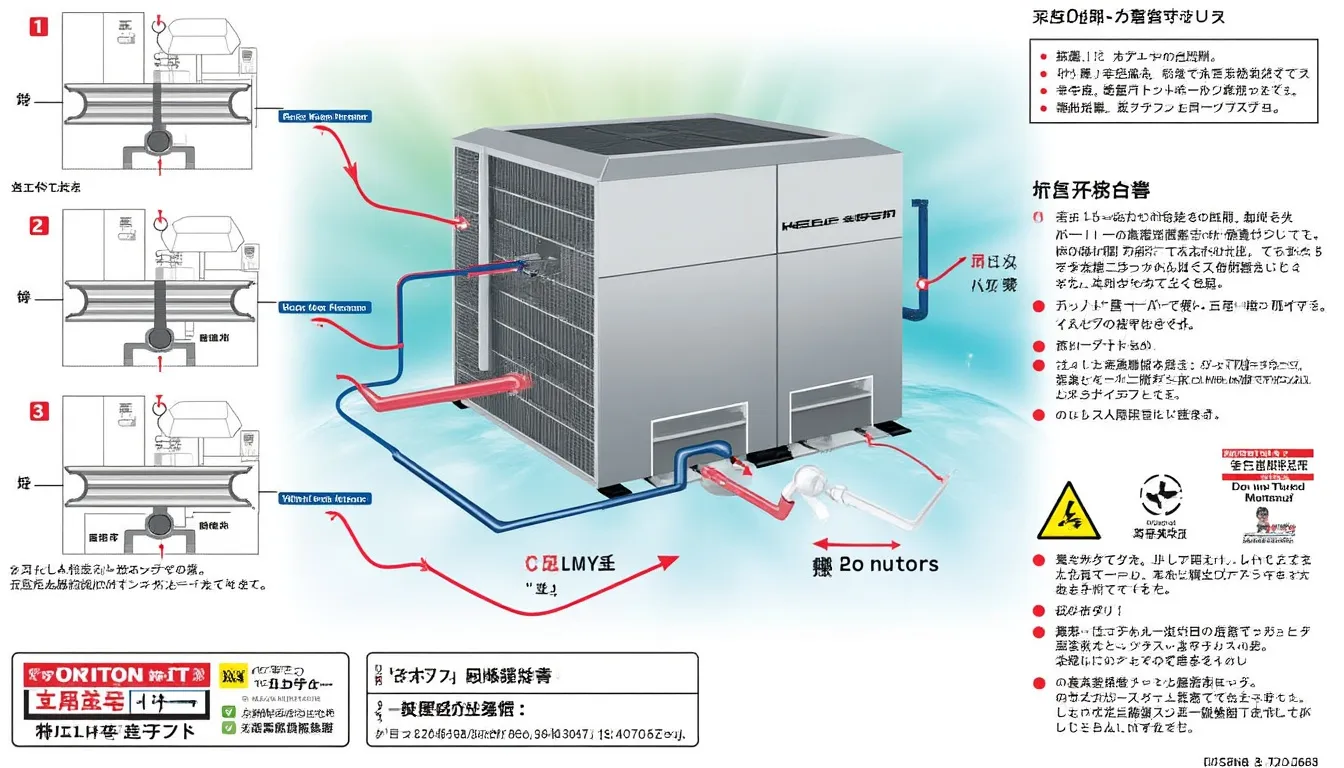
To optimize the use of your air-water heat pump, it is crucial to understand its operation. This system exploits the thermal energy present in the outside air to heat your interior. Here’s how it works:
Heat absorption capacity: The outdoor unit captures calories from the ambient air.
Understanding the refrigerant: This fluid circulates in the system, absorbing heat outside and turning into gas.
Gas compression: The compressor increases the temperature of this gas, making it capable of transferring heat.
Heat transfer: The compressed gas passes through the condenser where it relinquishes its heat to the water in your heating system.
Cycling the fluid: The cooled fluid returns to its liquid state and starts the cycle again.
This technology significantly reduces energy consumption, generating substantial savings over the long term. To give you an overview, a heat pump with a COP of 4 can provide 4 kWh of heat for only 1 kWh of electricity consumed.
Advantages and disadvantages of air-water heat pumps
When making your choice, it is also important to weigh the advantages and disadvantages. Here is a list of the main points to consider:
Advantages:
Exceptional efficiency with a high COP
Eco-friendly, thanks to the use of renewable energy
Eligibility for various financial aids for installation
Heating capacity and domestic hot water production
Disadvantages:
Sensitivity to outside temperatures, especially in cases of extreme cold
Noise level can sometimes be high for certain models
Significant initial purchase and installation costs
The installation costs of an air-water heat pump
In 2025, the installation price of an air-water heat pump varies according to power, model, and specifics of your home. On average, the costs include:
Purchase price of the heat pump: Between €6,000 and €15,000 depending on the brand (such as Daikin, Mitsubishi Electric, Viessmann) and the model.
Installation cost: Expect between €4,000 and €8,000 for labor and connection to the heating network.
Financial aids: Various subsidies can reduce the final cost, including MaPrimeRénov', the heating boost, and energy savings certificates (CEE).
Considering these initial expenses, it is important to take into account the energy and heating savings that an air-water heat pump can generate over the long term. Estimates suggest that users can reduce their energy bill by up to 75% by using this system.
Item | Average Cost |
|---|---|
Purchase of heat pump | €6,000 - €15,000 |
Installation | €4,000 - €8,000 |
Financial aids | Up to €5,000 |
With all these variables at play, it is essential to consult a certified professional to obtain an accurate and personalized quote.
FAQ about air-water heat pumps
To conclude this article, let’s look at the most frequently asked questions regarding air-water heat pumps:
What are the annual maintenance costs?
Generally, maintenance of an air-water heat pump costs between €150 and €300 per year. This includes checking components and cleaning units.
What is the lifespan of an air-water heat pump?
The average lifespan of an air-water heat pump is estimated to be about 15 to 20 years, depending on regular maintenance and usage conditions.
Can I benefit from aids for installing a heat pump?
Yes, several financial aids are available, such as MaPrimeRénov', CEE bonuses, and reduced VAT rates. These aids can significantly reduce the initial cost.
Do air-water heat pumps suit all housing?
Although they are adaptable, air-water heat pumps work best in temperate climates. Their efficiency may be reduced in areas where temperatures frequently drop below -7°C.
How do I choose the right model of air-water heat pump?
Choosing a model depends on various factors such as the size of your home, your specific needs, the type of emitters, and the local climate. Consulting a professional can help make the best choice.