Passive heating: how to design an efficient bioclimatic house?
4 min read
In a global context where the climate emergency requires us to rethink our homes, the construction of bioclimatic houses proves to be a relevant and sustainable solution. Far from traditional heating systems, these homes take advantage of natural resources to ensure comfort and conviviality while preserving the environment. This article will guide you through the concept of passive heating, illustrated by the testimony of Dany le Tohic, a residential construction entrepreneur, who proves that it is possible to live without a conventional heating system. From the importance of thermal insulation to renewable energies through the optimization of openings, let’s discover together the keys to an efficient bioclimatic house.
The principles of the bioclimatic house
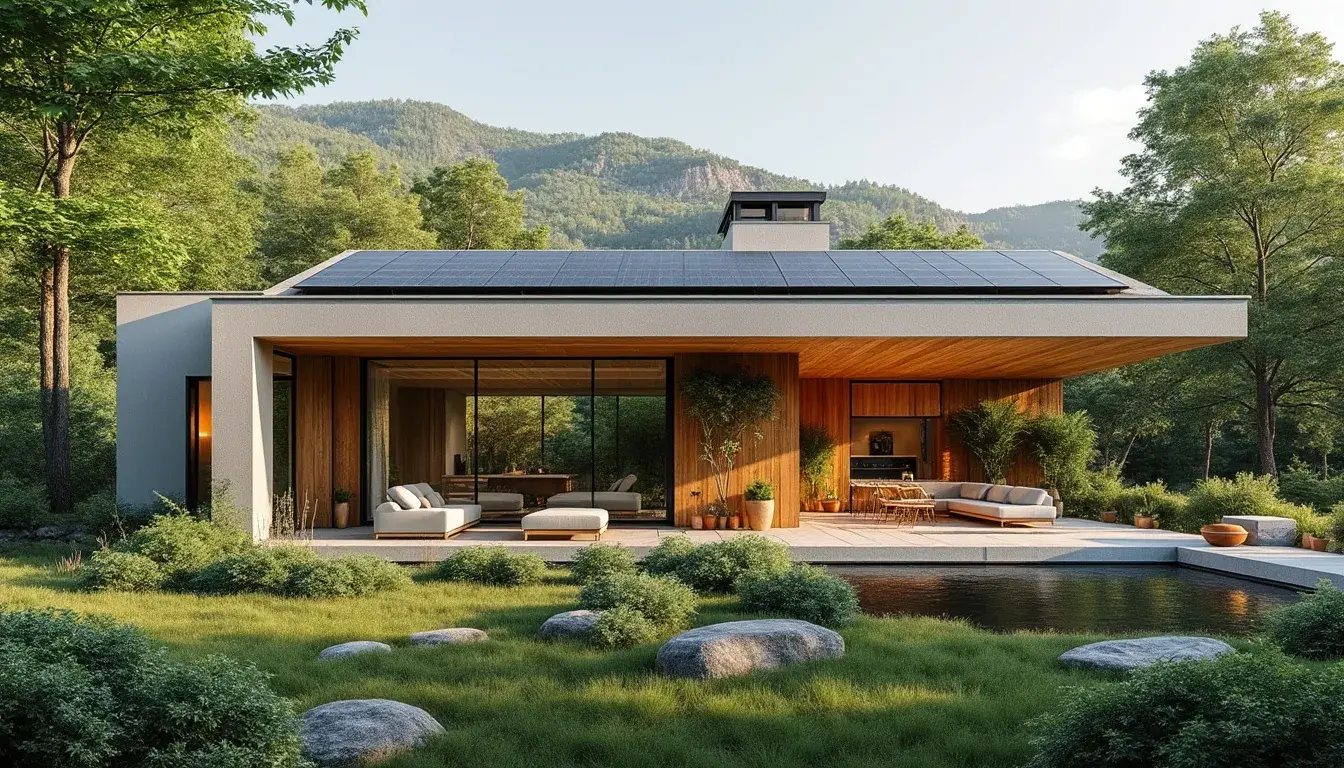
The bioclimatic house is designed to take advantage of the particularities of its environment to optimize the comfort of its occupants. This type of architecture is based on fundamental principles aimed at reducing energy needs while ensuring pleasant living conditions. Among these principles, orientation, insulation, and integration of renewable energies play a central role. Dany le Tohic, for example, oriented his house towards the south to capture maximum sunlight and solar heat, thus reducing the need for heating.
Orientation and solar capture
The house should be oriented towards the south to maximize sun exposure.
South-facing windows allow solar gain in winter, contributing to heating living spaces.
Shading devices such as awnings or pergolas block direct light in summer to prevent overheating.
This integrated design also relies on natural ventilation carefully thought out to ensure air circulation and renewal of indoor air.
The importance of thermal insulation
Thermal insulation is a central pillar of the bioclimatic house. By ensuring a quality envelope, it limits heat loss in winter and maintains a pleasant temperature in summer. Dany le Tohic has chosen natural materials, such as cellulose wadding, which have good insulating properties while being environmentally friendly.
Choosing the right materials for insulation
Type of material | Insulating properties | Environmental impact |
|---|---|---|
Wood fiber | Excellent thermal and acoustic insulation | Renewable and biosourced material |
Cellulose wadding | Good thermal resistance and humidity regulation | Made from recycled paper |
Hemp | Insulating quality comparable to classic insulators | Resource-efficient crop |
Optimization of openings and glazing
Particular attention should also be paid to the openings of the house. High-performance joinery is essential to optimize light and heat intake while minimizing energy losses. Dany le Tohic chose triple-glazed windows, combining aluminum on the outside and wood on the inside. This allows him to combine aesthetics and performance.
Characteristics of glazing for a bioclimatic house
Triple glazing: offers superior insulation and reduces thermal losses.
Solar protection: roller shutters and sunshades to prevent summer overheating.
Orientation of openings: favor the south to maximize solar gain in winter.
Managing heat in summer
In summer, the bioclimatic house must be able to manage heat to maintain optimal comfort. Using devices such as bioclimatic pergolas or sunshades can be wise. At the same time, vegetation plays a significant role: planting deciduous trees can create shaded areas while allowing light to pass through in winter.
Renewable energies and the acceleration of energy efficiency
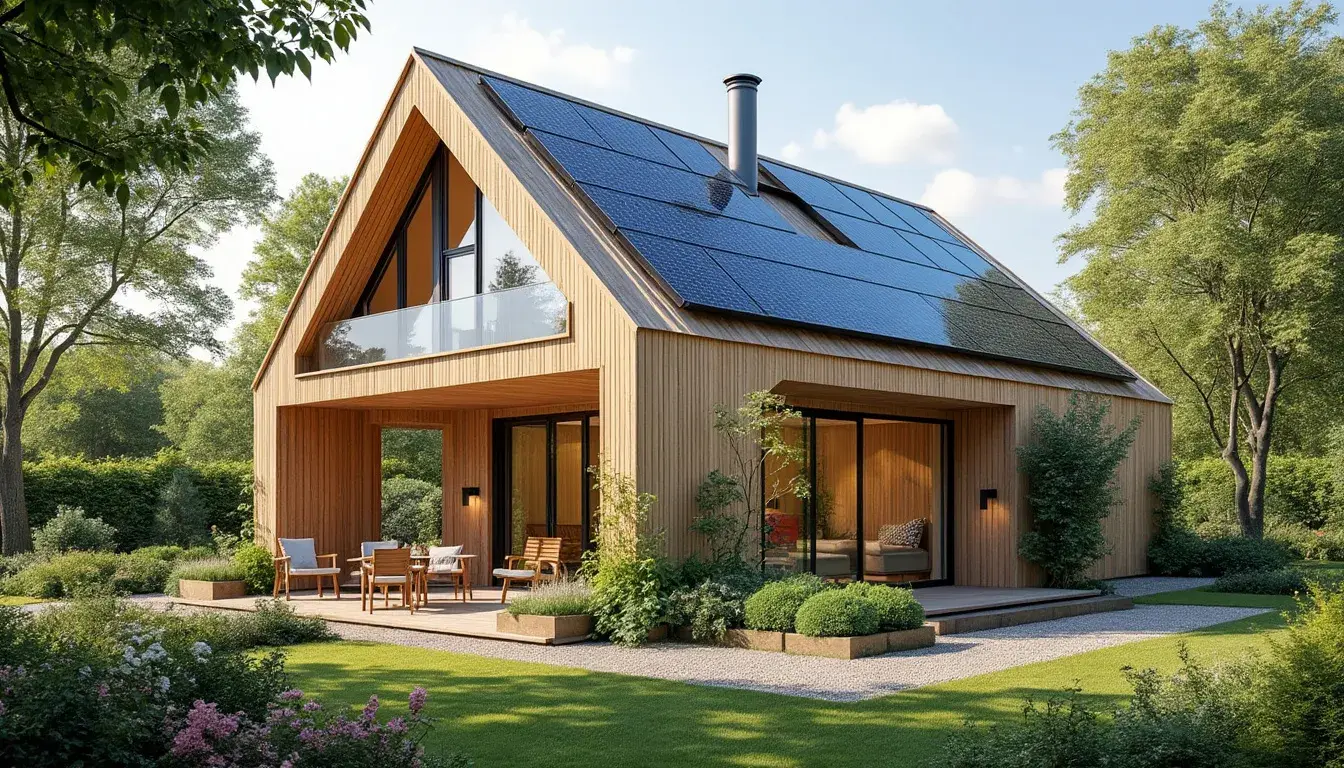
A bioclimatic house is part of an eco-responsible approach, integrating the use of renewable energies to guarantee its energy autonomy. The installation of solar panels, for example, allows for sustainable energy production. Dany equipped his house with solar panels to provide hot water through a solar tank, effectively utilized thanks to a well-oriented roof.
Essentials to maximize renewable energy
Domestic wind turbines for a complementary energy source in windy areas.
Water management and autonomy
Water management is another aspect to consider when designing a bioclimatic house. Rainwater harvesting, for example, provides a solution for supplying non-potable water to gardens and toilets. The treatment of greywater also optimizes potable water consumption while dry toilets encourage smarter management of water resources.
Water management system | Benefits |
|---|---|
Rainwater harvesting | Use for irrigation, limiting the need for potable water |
Greywater treatment | Valuable resources for irrigation and toilets |
Dry toilets | Water savings and optimized resource management |
FAQ on the bioclimatic house
What is the difference between a passive house and a bioclimatic house?
The passive house uses specific construction principles to minimize the need for heating, primarily through high-performance insulation. The bioclimatic house, on the other hand, takes into account the environment and natural resources to optimize comfort.What are the costs associated with constructing a bioclimatic house?
Costs can vary, but it is essential to view this as a long-term investment, with significant energy savings.How to choose materials to build a bioclimatic house?
Prioritize natural and eco-friendly materials, such as wood fiber, cellulose wadding, or recyclable materials.Is it possible to adapt an existing house to make it a bioclimatic house?
Yes, many renovations can be carried out to improve the energy efficiency of an existing house.Can I live without a heating system in a bioclimatic house?
It is possible, under adequate conditions of insulation and orientation, to live almost without conventional heating.