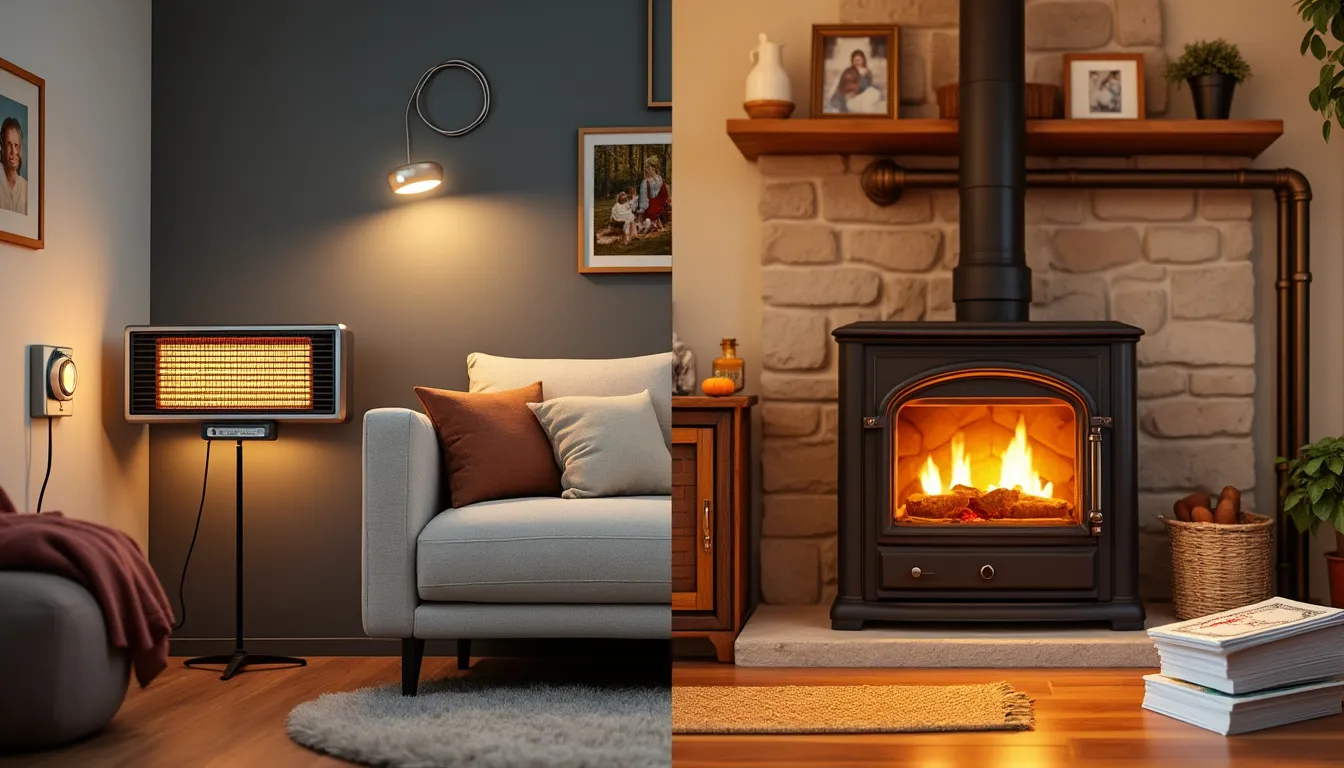
Comparison between electric heating and gas: advantages and disadvantages to know
6 min read
In a constantly evolving energy context, the choice of heating system is a major concern for households. In the face of rising environmental concerns and skyrocketing energy costs, it is crucial to weigh the pros and cons of electric heating versus gas heating. This article offers a detailed comparison of the different solutions available on the market in 2025 to guide you in your choice, whether for a new installation or a renovation. Let’s analyze these options together, weighing their advantages and disadvantages to help you make an informed decision.
Electric Heating: Diversity and Performance
Electric heating includes a wide range of solutions that adapt to different needs. Whether you are a homeowner of an apartment or a house, there is an electric device that will meet your expectations. In this section, we will explore the different types of electric radiators available on the market, their characteristics, and their performances.
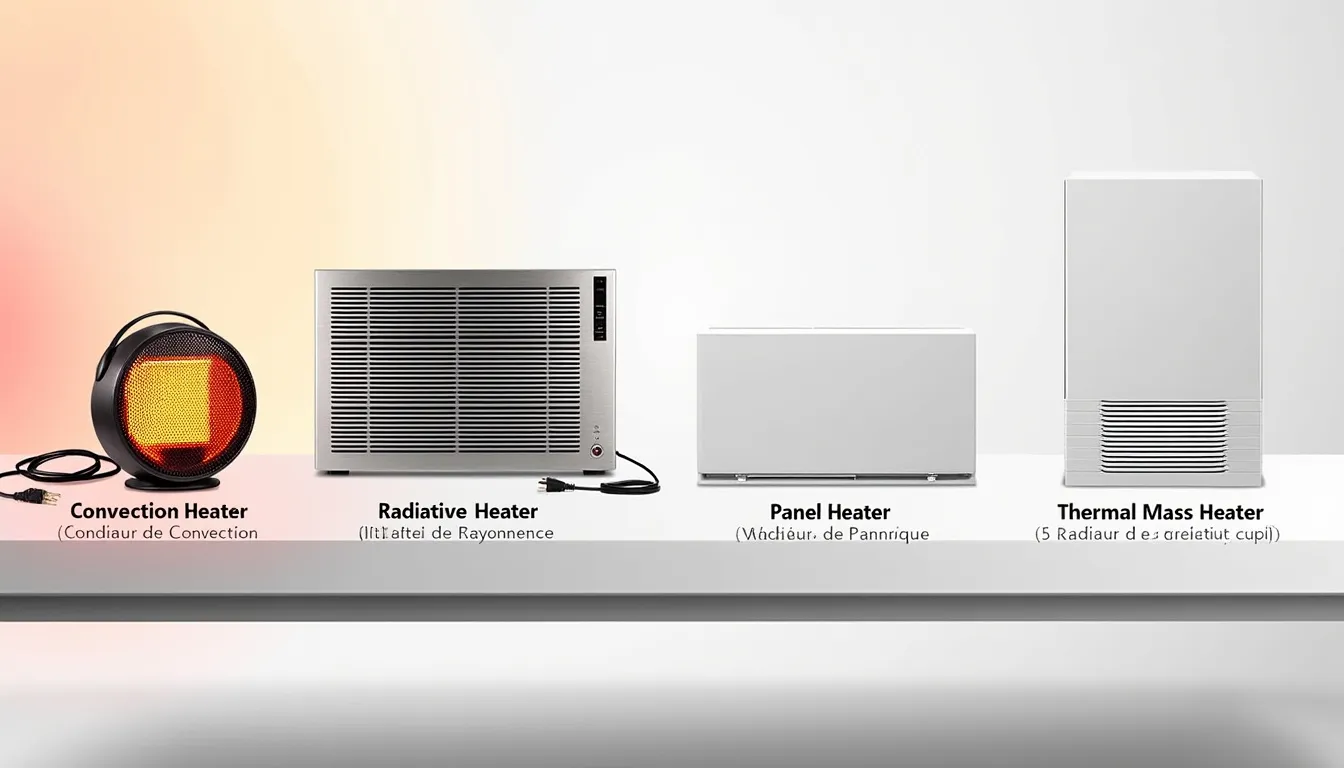
1. Electric Convection Heaters
These devices have long been reliable in the heating sector. Operating with an electric resistance, convection heaters quickly warm the surrounding air. Here are the key points about convection heaters:
Advantages: They can heat a room in record time and can be used as supplementary heating.
Disadvantages: Their electrical consumption is high and the heat can be uneven, thus drying out the room's air.
Cost: This is the most affordable solution, with prices ranging from €25 to €200.
2. Radiant Panels
These panels distribute heat more evenly. By using an aluminum plate, the radiant panel effectively transforms electrical energy into heat.
Advantages: They provide a more pleasant heat and some models are equipped with artificial intelligence to optimize consumption.
Disadvantages: They require a preheating time as their plate must reach 200°C to be effective.
Cost: Prices start at €60 but can reach €2,000 for the most advanced models.
3. Inertia Radiators
This type of radiator is particularly popular for its ability to accumulate heat, thus offering superior comfort. There are two variants: the dry inertia radiator and the liquid inertia radiator.
Advantages: They continue to emit heat even when turned off, consume less than other systems, and maintain humidity in the air.
Disadvantages: Their initial cost is higher, often between €200 and €2,000, which can be a significant investment.
4. Hot Water Radiators
Connected to a central heating system, these radiators are more efficient and offer better energy performance.
Advantages: They can use renewable heat sources, and their efficiency is generally superior to that of traditional electric models.
Disadvantages: They require additional installation and often take up more space.
Cost: Prices vary considerably based on material (cast iron, steel, aluminum), ranging from €20 to €1500.
Gas Heating: A Common Alternative
Gas heating is a popular option in many households, often perceived as the most economical in use. In this section, we will examine the main characteristics, advantages, and disadvantages of gas heating.
1. Gas Boiler
Gas boilers generally power a radiator system. Available in wall-mounted or floor-standing versions, they take up a significant space in the home but ensure optimal thermal comfort.
Advantages: Operating costs are often lower than electricity, sometimes up to 40% cheaper. Modern boilers allow for excellent energy efficiency.
Disadvantages: They require a connection to the gas network and are not compatible with all homes.
Cost: Boilers can range from €1,000 to €5,000, installation included.
2. Condensing Gas Heating
This technology improves thermal efficiency by recovering heat from combustion gases. It is increasingly popular for its low environmental impact.
Advantages: Reduced consumption, lower operating costs due to better heat recovery.
Disadvantages: The installation can be more complex and costly than a standard boiler.
Cost: Condensing boilers are generally more expensive, ranging from €1,500 to €6,500.
Cost Comparison between Electric Heating and Gas
Type of Heating | Installation Cost (€) | Operating Cost (€ / year) |
|---|---|---|
Electric Convector | 25 - 200 | 300 - 600 |
Radiant Panel | 60 - 2000 | 400 - 700 |
Inertia Radiator | 200 - 2000 | 250 - 500 |
Hot Water Radiator | 20 - 1500 | 200 - 400 |
Gas Boiler | 1000 - 5000 | 150 - 250 |
Condensing Boiler | 1500 - 6500 | 120 - 220 |
As we can see, the choice between electric heating and gas heating is based on various criteria: the initial investment cost, operating costs, but also the availability of resources in your area. At retailers such as Brico Dépôt, Castorama, or Leroy Merlin, you can find equipment tailored to your needs.
Connected Devices and Their Impact on Heating
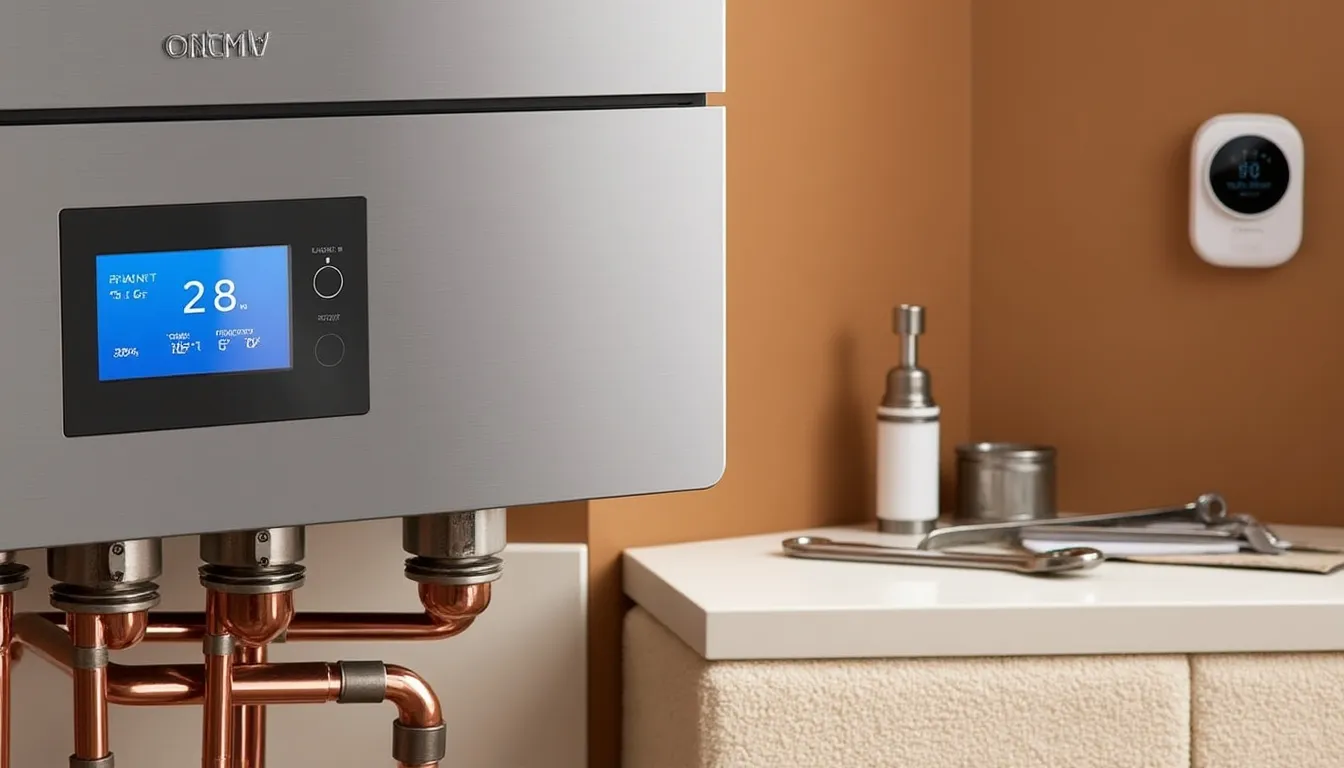
With the advent of new technologies, connected devices, such as smart thermostats, are beginning to transform the way we manage heating. In this section, we will analyze the positive impacts as well as the potential issues associated with these devices.
1. Advantages of Connected Thermostats
A connected thermostat allows you to manage your heating system remotely via your smartphone. Here are its main advantages:
Optimized Management: This type of device analyzes your consumption habits and can adjust the temperature accordingly.
Energy Savings: By optimizing your consumption, you can save on your energy bills.
Comfort: You can regulate the temperature of your home even before you return.
2. Challenges Related to Connected Thermostats
Although the advantages are numerous, several negative points deserve consideration before installing a connected thermostat.
Security: Being connected to the Internet, these devices can be vulnerable to cyber attacks.
Network Dependency: Their use requires a stable Internet connection. In case of a outage, they become inoperative.
Cost: The price of a connected thermostat can represent a significant investment.
Energy Efficiency and Available Financial Aids
With the rise in energy prices, the choice of a heating system must also consider available financial aids. Indeed, various subsidies can help reduce installation and operating costs.
1. Aids for Electric Heating
Energy savings certificates can assist households wishing to improve their electric heating system. For example, replacing an old convector with a high-performance model labelled NF Électricité performance can qualify for assistance ranging from €50 to €100 per radiator.
2. Aids for Gas Heating
Installations of high-efficiency boilers, particularly those operating with renewable energies, can also benefit from financial aids. The bonus "MaPrimeRénov’" is an example of aid that supports households wishing to renovate their gas heating.
3. Comparison of Aids between Electric and Gas Heating
Type of Heating | Financial Aid (€) | Required Conditions |
|---|---|---|
Electric Heating | 50 - 100 | Replacement with a high-performance model |
Gas Heating | Preferential | Conditions to verify according to the aids |
These aids help to reduce the initial installation cost and make some heating systems more accessible. Retailers like Conforama or But, as well as suppliers like EDF and TotalEnergies, also offer financing options to make the investment more affordable.
FAQ
Which heating system is the most economical?
Generally, gas heating is often less expensive in use compared to electricity, but it depends on the gas price and installation conditions.
Are connected thermostats secure?
While they offer advantages in energy management, connected thermostats can be sensitive to cyber-attacks if appropriate precautions are not taken.
What aids can I obtain for installing electric or gas heating?
Various aids, including energy savings certificates for electric heating and bonuses for efficient gas boilers, are available to make installation more affordable.
Do inertia radiators suit all homes?
Inertia radiators are generally suitable for most homes, but their initial cost and bulk require consideration based on available space.
Where can I buy my heating equipment?
You can visit specialized retailers like Brico Dépôt, Castorama, or shop online via Darty to find heating equipment suited to your needs.