Discover autonomous and eco-friendly heating solutions for your cabin in the woods
4 min read
In an increasingly uncertain world, where climate crisis and societal challenges follow one another, the search for true autonomy becomes paramount. Between the breaks of normality and the vital need for security, many are considering building a cabin in the woods to live in harmony with nature. In this quest for resilience, self-sufficient heating stands out as an essential solution to enjoy thermal comfort without depending on external contingencies. This article explores various ecological heating solutions, suitable for your forest retreat, to ensure a sustainable lifestyle while preserving the environment.
Self-sufficient heating: a thoughtful choice for your cabin in the woods
From a self-sufficient farm to a simple cabin in the woods, it is essential to ask the right questions before choosing a heating system. In 2025, as ecological concerns and sustainability issues are more relevant than ever, opting for a heating method that combines efficiency and respect for the environment is a wise choice. To achieve this, you must first consider the natural insulation of your habitat.
Optimizing natural insulation to reduce heating needs
Before focusing on heating itself, it is advisable to minimize energy needs as much as possible. Here are some factors to consider:
Biosourced materials: They play a crucial role in insulation. Using natural materials like sheep wool or cellulose creates a comfortable and healthy environment.
Sealing of openings: Ensure all windows and doors are well insulated to limit thermal losses, thus promoting reduced energy consumption.
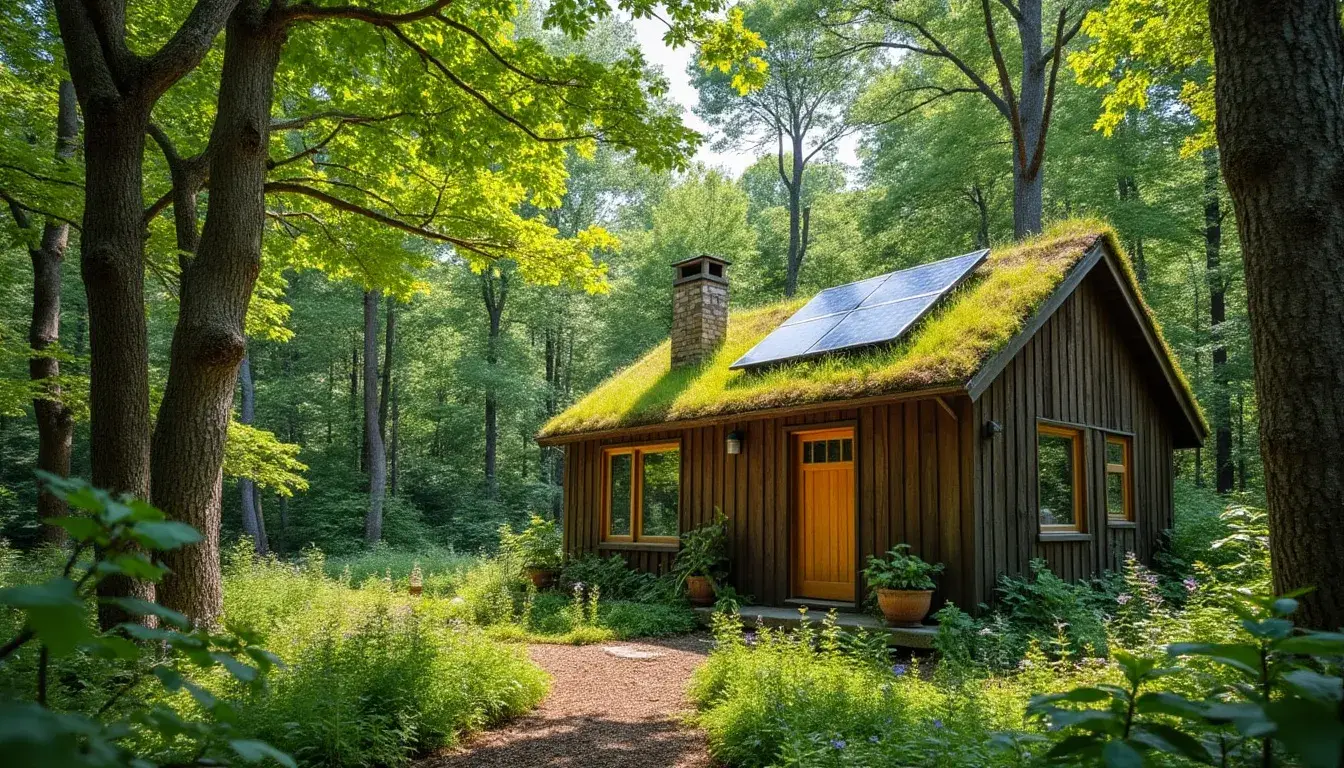
Orientation of the cabin: Positioning your home to maximize sun exposure will also decrease heating needs.
By taking these elements into account, you ensure not only optimal comfort but also controlled energy consumption. Good insulation contributes to creating a warm cocoon where heat can be retained for a long time.
The importance of insulation for heating
It is undeniable that natural insulation plays a central role in the performance of heating systems. A well-insulated house retains the heat generated by potential heating solutions, minimizing costs and environmental impact. Natural materials, such as straw or hemp, should be favored to reduce your carbon footprint.
Ecological heating solutions for your cabin
Once you have optimized the insulation, you will be able to choose a heating system that aligns with your ecological values. At the heart of modern concerns, here are some heating solutions suited for a self-sufficient and sustainable lifestyle:
Wood heating: a timeless classic
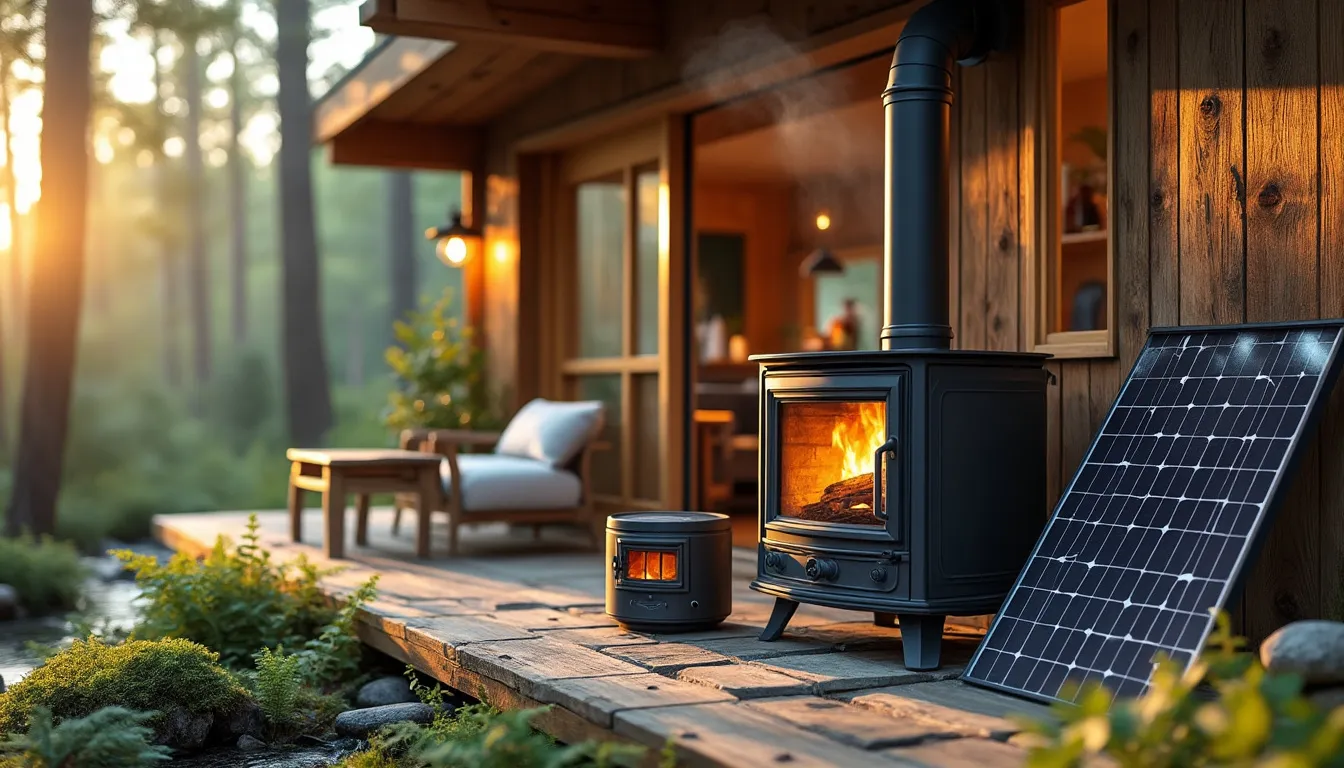
The wood stove is one of the most popular solutions for self-sufficient heating. By using wood as a renewable energy source, you significantly reduce your carbon footprint. Here are some factors to consider:
Local supply: Prioritize buying wood from local producers to encourage sustainable practices.
Appliance efficiency: Choose modern wood stoves that achieve efficiencies over 90% to ensure effective combustion and reduce pollutant emissions.
Proper storage: Ensure you have a suitable storage space for your wood, so it dries properly and burns efficiently.
Wood heating, combined with good insulation, ensures optimal comfort during the cold months while being economical.
Solar heating: harnessing the energy of the sun
Solar heating is an innovative option that uses solar thermal panels to produce heat. This can include:
Water heating: Solar panels can play an integral role in heating the water for your cabin.
Supplementary heating systems: In case of low sunlight, consider a supplementary heating system to ensure optimal comfort.
Long-term profitability: Although the initial investment may be higher, the savings on your energy bills will pay off in the long run.
Solar thermal panels represent a real opportunity for a sustainable heating mode, while utilizing a free natural resource.
How to integrate these solutions into your cabin project
When planning the construction or layout of your cabin, it is crucial to integrate these elements harmoniously and functionally. Here are some tips to succeed in your project:
Bioclimatic design of your cabin
Adopting a bioclimatic design involves considering the orientation, the materials used, and the placement of windows. A good design will maximize solar gains in winter while avoiding overheating in summer. Consider:
Use of overhangs: They protect your cabin from direct rays in summer.
Natural ventilation: Take advantage of air circulation to regulate indoor temperature.
Rainwater harvesting: Combine your heating system with rainwater storage to enhance your autonomy.
By planning your cabin with a bioclimatic approach, you optimize the use of natural resources and reduce your energy dependence.
A more technical option, the heat pump extracts heat from the outside air and transfers it inside your cabin. Although it requires a higher initial investment cost, it is very efficient when used in combination with renewable energy sources, such as photovoltaic panels.
FAQ: frequently asked questions about self-sufficient heating
What is a sustainable autonomous base (SAB)?
A sustainable autonomous base is a location prepared to live safely in the event of disasters, ensuring that you can meet your needs for food, energy, and security.
Are solar panels profitable?
Yes, despite a high installation cost, the profitability of solar energy is felt in the long term, thanks to savings on energy bills.
How to store wood for a stove?
It is crucial to store wood in a dry and well-ventilated place, protected from moisture, to ensure effective combustion.
Is the heat pump efficient in winter?
If it is coupled with a renewable energy source, the heat pump can be very efficient, even in winter, provided it is well sized for your space.