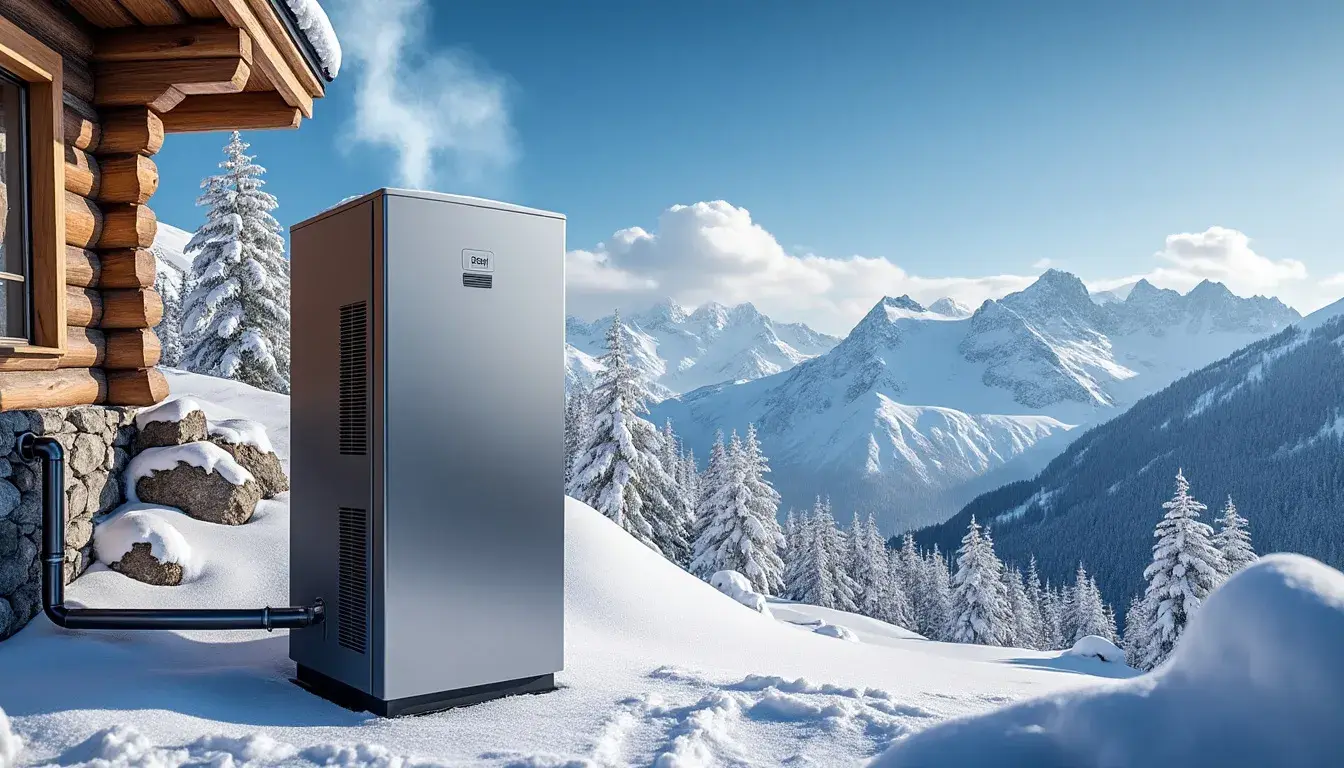
Heating at altitude: system performance for temperatures down to -15 degrees
5 min read
Harsh winters in the mountains require suitable heating solutions to maintain optimal comfort. Choosing the right heating system at altitude is essential, not only for your comfort but also to ensure energy savings and a minimal impact on the environment. With precautions to consider, such as proper building insulation, current thermal regulations, and access to innovative systems, it is possible to enjoy pleasant warmth even when temperatures drop to -15 degrees. Let's explore together the world of effective and sustainable heating solutions for houses at altitude.
Focus on the 2012 thermal regulation
Since January 1, 2013, the 2012 thermal regulation (RT 2012) has imposed strict standards for all new constructions. This regulation aims to improve the energy performance of buildings by setting specific criteria that all construction projects must meet. Here are the three main requirements of this regulation:
Primary energy consumption (CeP): Limited to 50 kWh/m²/year, this figure aims to significantly reduce energy demand compared to previous standards.
Bioclimatic needs (Bbio): Measures the quality of a building's design, considering criteria such as orientation, insulation, and utilization of natural light.
Indoor temperature setpoint (Tic): Thermal comfort must be guaranteed, even in cases of extreme heat, by maintaining a temperature below 26°C during warm periods.
The advantages associated with this regulation are significant, as by 2020, the energy savings generated by RT 2012 were estimated at 150 billion kWh, with a reduction of 30 million tons of CO2 avoided. Furthermore, advancements in construction techniques should provide a net gain on household purchasing power estimated at a benefit between €5,000 and €15,000 over 20 years.
The transition to RT 2020
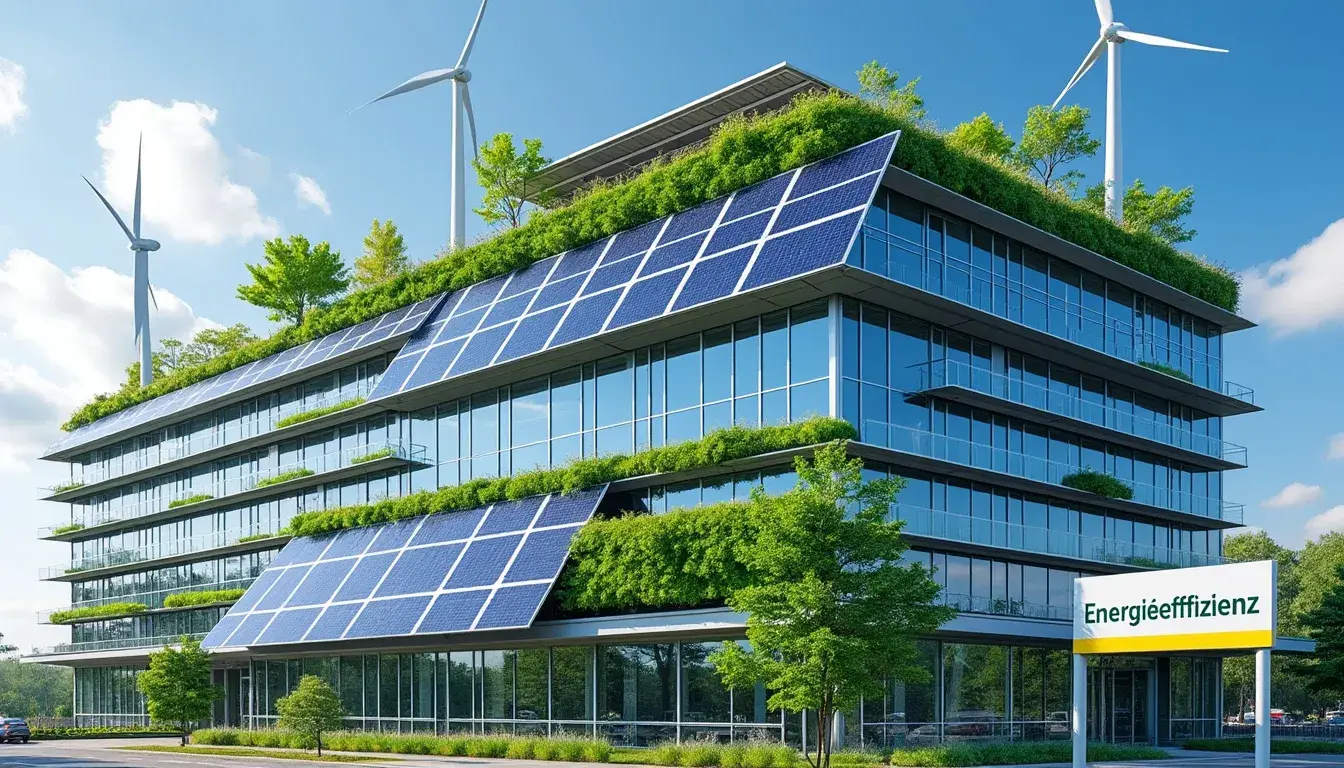
RT 2012 represents an important step towards more sustainable buildings, but the transition to the next regulation, RT 2020, will further emphasize this trend. The new framework aims to promote positive energy buildings (BEPOS), where energy production from renewable sources like solar and wood will exceed consumption. Labels such as BEPOS Effinergie 2013 are already indicators for future constructions.
This evolution in regulation is not only a response to the energy crisis but also a means to reduce our carbon footprint while improving the quality of life in our habitats. These standards will promote more efficient heating systems, aligning with the needs of residents at altitude.
Heating systems suitable for altitude
Choosing an efficient heating system is crucial in mountainous areas, where climatic conditions can be extreme. Here is an overview of the heating systems suitable for temperatures with optimal performance down to -15 degrees:
1. Central heating: absolute comfort
Central heating stands out for its ability to distribute heat evenly throughout the house. This type of system is highly favored at altitude.
Gas boiler: Modern models, particularly condensing ones, represent an efficient option. They utilize the heat from combustion gases to optimize efficiency. Although installation is costly, this system is very practical for secondary homes due to its programmability.
Wood boiler: An eco-friendly solution that prioritizes logs or pellets. With low CO2 emissions, this type of boiler provides authentic warmth.
2. Electric systems: flexibility and accessibility
Electric systems are often very practical for second homes. They require little maintenance and are easy to install. However, energy consumption can be high.
Electric radiators: Perfect for small spaces, they offer rapid temperature increase. Connected models can be controlled remotely.
Heat pump: This innovative system captures heat from the air or ground to redistribute it within the home. Heat pumps, particularly air-water models, are very suitable for mountainous regions due to their efficiency at low temperatures.
Type of heating system | Advantages | Disadvantages |
|---|---|---|
Gas boiler | Efficiency, Programmable | High installation cost |
Wood boiler | Eco-friendly, Economical in fuel | Storage of logs, Maintenance |
Electric radiators | Easy to install, Immediate comfort | High energy consumption |
Heat pump | Economical in the long term, Eco-friendly | High initial investment |
Practical considerations for heating at altitude
When choosing a heating system suitable for your home at altitude, it is essential to discuss some crucial factors to make the right choice:
Insulation: the key to energy comfort
Effective insulation is essential to maximize the performance of your heating system. A poorly insulated house, regardless of the quality of the system, will easily lose heat.
Check the insulation of walls, windows, and the roof.
Consider high-performance insulation materials like rock wool or cellulose.
Eliminate thermal bridges to prevent heat loss.
Availability of fuels
When opting for a wood or gas heating system, consider the availability of resources in your area. If access is limited, this may affect your choice.
Find out about wood pellet suppliers in your area.
Check options for gas installations, especially in mountainous areas.
Type of fuel | Accessibility | Environmental impact |
|---|---|---|
Wood (logs, pellets) | Varies by region | Low, renewable |
Gas | Often limited in mountainous areas | High, fossil source |
Electricity | Generally available | Variable, depending on the source |
Technology in service of heating: home automation and regulation
With technological advancements, modern heating systems offer features that optimize their performance and ease of use. Here are some innovations to consider:
Smart regulation systems
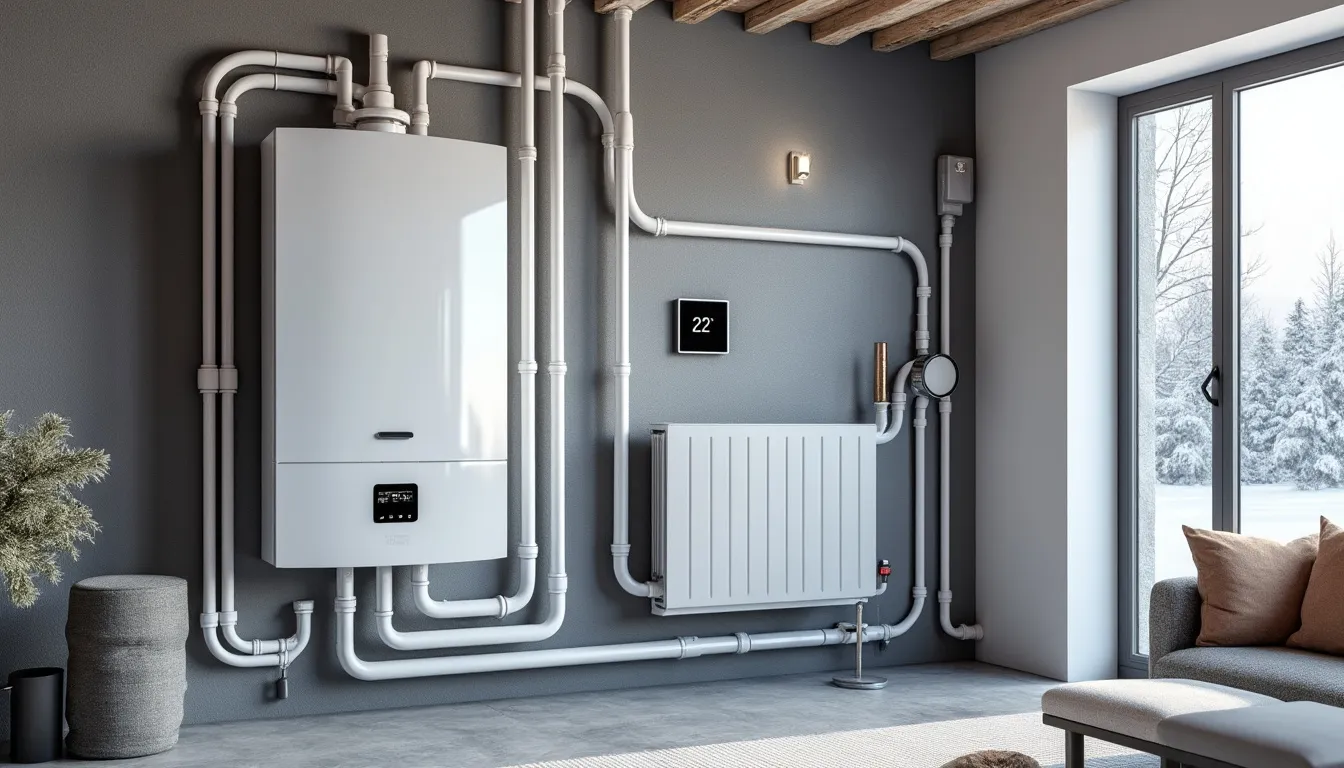
Advancements in regulation systems allow for precise temperature control. Connected thermostats can adjust your heating based on your schedule, ensuring increased comfort and reduced costs.
Ability to learn lifestyle habits
Energy savings through optimized management
Remote control
Having complete control over your heating system, even when you are not home, is a considerable advantage. Mobile apps allow you to adjust the temperature remotely, perfect for preparing your return to your mountain home.
Access from anywhere
Prepare the house before arriving
Advantage | Description |
|---|---|
Smart regulation | Optimization of energy consumption based on your habits. |
Remote control | Adjustment of temperature according to your needs in real time. |
FAQ on heating at altitude
What is the best heating system for a mountain home?
The choice depends on many factors, but wood boilers and heat pumps are particularly effective in dealing with extreme cold.
Are gas boilers suitable for mountain houses?
Yes, but it depends on access to the gas grid. Secondary homes can benefit from programmable models.
How can I improve the energy efficiency of my heating system?
By ensuring quality insulation, eliminating thermal bridges, and using smart regulation systems to optimize consumption.
What are the benefits of eco-friendly heating systems?
Eco-friendly systems, like wood boilers, provide a reduced carbon footprint while ensuring energy efficiency.
Are electric heating systems feasible in the mountains?
Yes, but they can lead to high energy consumption. They are often preferred in secondary residences for their ease of installation.