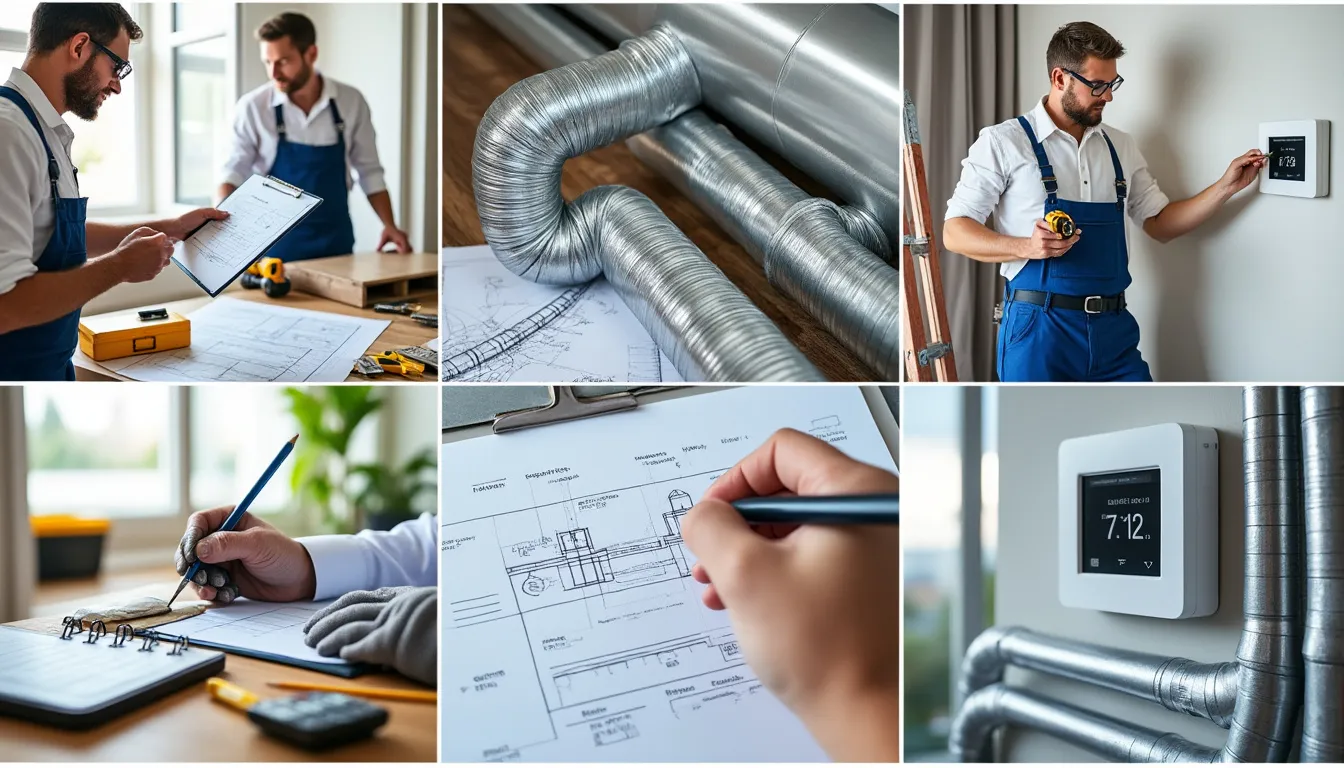
Heating work planning: key steps for a successful installation
8 min read
Planning heating work is a critical step to ensure the comfort and energy efficiency of your home. With rising energy prices, it has become essential to invest wisely in a high-performance heating system. However, a poorly prepared heating installation can lead to complications, both in terms of cost and performance. This guide is designed to enlighten you on the main steps and essential technical choices to make your heating project a resounding success.
Preparation and planning: a crucial step for your heating installation
Before embarking on the installation, the procedure involves careful preparation. This initial phase will determine not only the quality of your heating installation but will also help avoid unexpected costs. Forethought is essential to identify the specific needs of your home.
Feasibility study: analyzing your heating project
The first step consists of a feasibility study that examines the characteristics of your building. Various elements must be taken into account:
Ceiling height: This may influence the choices of heating systems and materials to be used.
Existing floor type: Whether you have concrete, screed, or tiles, each requires particular consideration.
Insulation: Assessing the thickness and type of insulation already in place is also crucial. Inadequate insulation will increase the heating power required, which may lead to higher energy consumption.
For illustration, let's take an example: a concrete slab of 15 cm without insulation will require around 70 Watts/m² to reach a comfortable temperature, compared to 45 Watts/m² for a 10 cm slab equipped with 10 cm of extruded polystyrene. The calculation of heating requirements must therefore be precise to avoid any sizing errors and should be performed by a certified professional.
Choice of heating system: electrical or hydraulic options
You then need to consider the choice of heating system. Two primary options are available to you:
Electric systems: These include heating films, heating cables, or integrated radiant systems. While they are simpler to install for small areas, their operating cost may be higher in the long run.
Hydraulic systems: These involve the circulation of hot water through pipes. Although their installation is more complex, these systems generally offer better energy performance and superior thermal comfort. The initial investment is more substantial, but the savings achieved can offset the costs in the long term.
Choice of floor covering: impact on performance
The choice of floor covering is also crucial as it affects the performance of your underfloor heating. Here are some popular options:
Tiles: With high thermal conductivity (between 2 and 4 W/mK), it is ideal for underfloor heating.
Parquet: Less conductive (0.1 to 0.2 W/mK), it will require specific preparations and insulations.
It is important to take into account the thickness of the covering, as this can influence the required heating power. For example, a 22 mm parquet will require more heat than a 10 mm tile. The type of covering chosen should also influence the choice of the leveling compound to be used.
Regulation: optimizing the heating system
Using a programmable thermostat is an effective method for optimizing energy consumption and improving comfort in your home. Smart thermostats can adjust the temperature autonomously by learning your lifestyle habits, thus making your consumption more judicious.
Obtaining administrative permits and comparing quotes
Before starting work, it is important to inform yourself about the permits to request, such as a building permit or prior declaration of work. These procedures should be verified with your town hall.
Next, it is imperative to obtain at least three detailed quotes from certified RGE (Recognized as an Environmental Guarantee) installers. This will allow you to compare prices, guarantees, references, lead times, and proposed materials. A good quote should specify:
The materials used
Labor
Travel costs
Warranty conditions
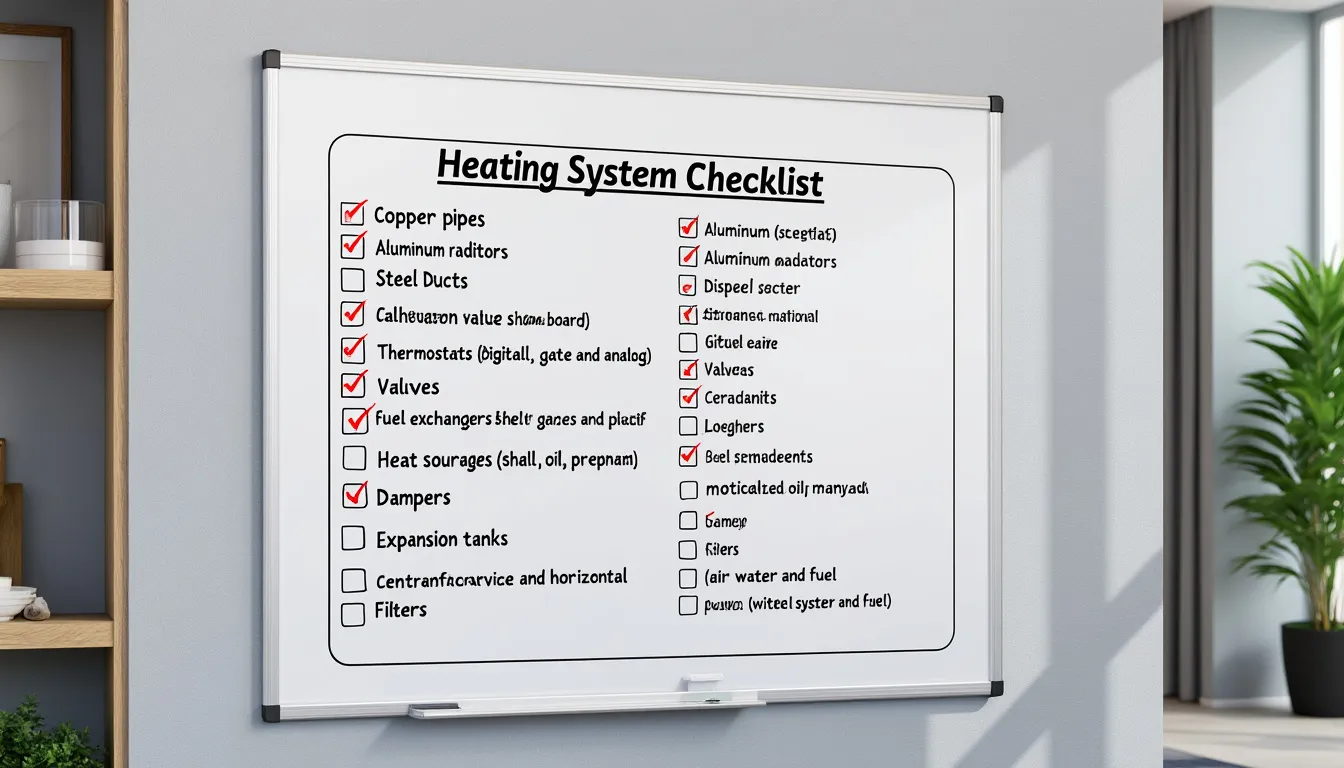
Acquisition of equipment: list for your underfloor heating
Once the system and materials have been selected, it is time to take stock of the necessary equipment. For a hydraulic system, for example, you will need:
A boiler or water heater
A circulator
Manifolds
Cross-linked polyethylene (PEX) pipes
Fixings
A thermostat
Regulating valves
An expansion tank
If you choose an electric system, you will need heating cables or a heating film, as well as a thermostat and a temperature regulator. Do not forget the necessary items for floor preparation, such as a primer, a waterproof membrane, and a self-leveling compound.
Finally, it is wise to allow a margin of 10% to compensate for any losses or cuts during installation.
Installation of underfloor heating system: detailed installation steps
The installation requires precision and expertise, as several errors could compromise the system's efficiency. Following the manufacturer's instructions is paramount throughout this process.
Preparing the substrate: preparing the floor for your underfloor heating
The floor must be clean, dry, and perfectly level. The slightest anomaly in flatness can lead to cold spots, thereby compromising the performance of your installation. Carrying out a precise leveling using a leveling compound is essential. Additionally, applying a waterproof membrane is highly recommended, especially in humid areas like bathrooms or kitchens.
Proper thermal insulation is also essential to reduce heat loss. Generally, it is advisable to use insulation with a thickness of 8 to 10 cm, with the value depending on the climatic zone and the type of insulation (extruded polystyrene, polyurethane, rock wool). Finally, the thermal conductivity coefficient (λ) of the insulation should ideally be less than 0.035 W/mK to guarantee optimal performance.
Installation of heating elements: installing cables, films or pipes
To install the heating elements, it is important to strictly follow the manufacturer's recommendations. For an electric system, it is important to maintain the necessary spaces between the heating cables or films to ensure uniform heat and avoid overheating. For hydraulic systems, PEX pipes should be arranged in a spiral or serpentine pattern and fixed regularly on a fixing grid. The distance between the pipes is determined according to the desired power.
It is also essential to carry out a pressure test (usually at 6 bars for at least 30 minutes) to ensure the circuit's watertightness before applying the leveling compound.
Leveling layer: preparation for floor covering
The self-leveling compound is applied to create a smooth surface suitable for the laying of the final covering. Choose a leveling compound suitable for the type of heating and the envisaged floor covering. The thickness of the leveling compound is generally between 3 and 5 cm for hydraulic systems and must be fluid and reactive to defects. It is important to allow adequate drying time for the leveling compound before proceeding with the installation. A prolonged drying time is necessary to ensure optimal adhesion and prevent cracking.
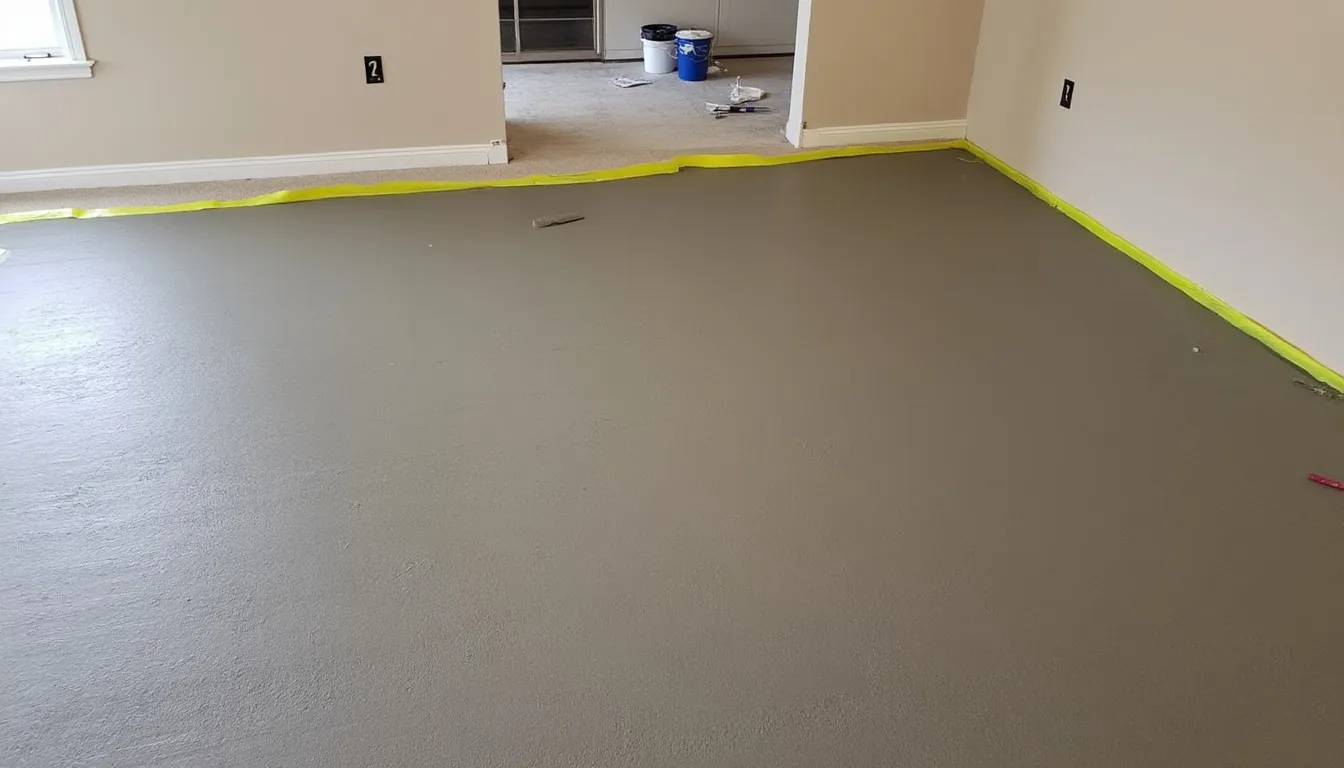
Installation of floor covering: choice and installation
Once the leveling compound has hardened, you can proceed to install your floor covering. Tiles, being good heat conductors, are often favored. As for the parquet, ensure to use suitable adhesives for underfloor heating systems to optimize thermal transmission and avoid any delamination. Also, remember to adhere to the recommended drying times for the adhesives specified by the manufacturers to ensure efficient commissioning of the system.
Connection and commissioning of underfloor heating
This step requires specific skills and must be carried out by a qualified professional to ensure a safe and effective installation.
Electrical or hydraulic connection: connecting the system
The connection can be electrical (for an electric system) or hydraulic (in the case of a hydraulic system). This work must always be performed according to current safety standards. For an electric system, this involves establishing cable connections to the electrical panel as well as to the thermostat. For a hydraulic system, the link with the boiler or hot water tank, the circulator, and the expansion tank must be done carefully. Checking the circuit's watertightness is essential before final commissioning.
Commissioning and testing of underfloor heating
Before starting to use the system, it is advisable to test its operation by gradually increasing the temperature. This helps identify any potential problems. Set your thermostat and schedule the time slots according to your needs. Gradually increasing the temperature by a few degrees each day during the first days helps to prevent thermal stress on the covering.
Maintenance and upkeep: tips to extend lifespan
Regular maintenance of your heating installation is crucial to preserve its energy efficiency and extend its lifespan. For a hydraulic system, it is advised to frequently flush the circuit to eliminate impurities. Also, regularly check the proper functioning of the thermostat and circulator. To ensure long-term optimal operation and prevent breakdowns, considering an annual maintenance contract with a certified professional becomes a wise decision.
Tips for a successful installation of your underfloor heating
To guarantee the success of your heating installation, start with meticulous planning and the choice of an experienced installer. It is wise to ask for references and, if possible, visit similar installations to get an idea of their work.
Importance of hiring a qualified professional
The choice to entrust the installation to a certified RGE professional is essential. A poorly executed installation can lead to significant additional costs, excessive energy consumption, and reduced comfort. This will thus avoid a good number of hassles afterwards.
Energy optimization: tips for saving
To ensure good energy performance, insulating the floor and walls is essential. A programmable thermostat will help you more easily regulate the temperature according to your needs. If possible, integrating the heating system into a home automation system can allow for even more refined management of the whole, thereby increasing your everyday comfort.
Financial aids and subsidies for your underfloor heating
When considering installing underfloor heating, know that several financial aids and subsidies may be available to you. It is advisable to inquire with your region or the ADEME (Agency for Ecological Transition) about the aid available, such as MaPrimeRénov’ or zero-interest eco-loans. These aids have the potential to significantly reduce the total cost of your project.
FAQ on planning heating work
1. How do I know which heating system is most suitable for my home?
It is advisable to have a feasibility study conducted by a professional who can assess the specific needs based on your home and your habits.
2. Does installing underfloor heating require a permit?
This depends on the work to be carried out, but it is always good to check with your town hall in advance to know about any required permits.
3. What are the main financial aids available for installing underfloor heating?
The main aids include MaPrimeRénov’ and zero-interest eco-loans, which can greatly reduce costs. Also inquire about local subsidies.
4. What is the payback period for an improved heating system?
The return on investment generally varies between 5 and 10 years, depending on energy performance and savings made on energy bills.
5. What should I do if my heating system has malfunctions after installation?
Contact the installer who carried out the work immediately. A good professional should offer post-installation assistance and maintenance service.