Standards compliance for your heating installation: essential steps to follow
4 min read
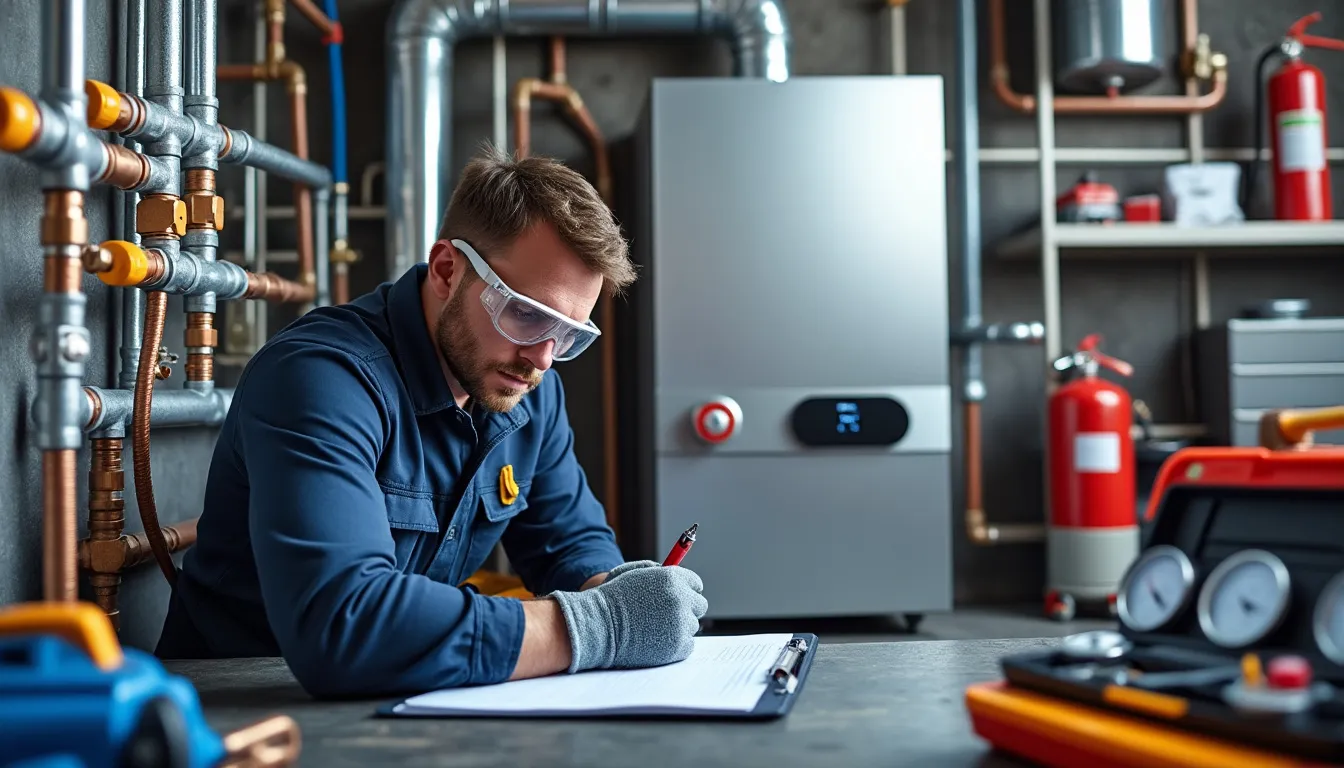
Ensuring the safety and compliance of your heating installation is not just a mere obligation: it is a necessity that guarantees comfort and peace of mind. When discussing compliance, it involves ensuring that your system adheres to current regulations and also optimizing its energy efficiency and preventing any potential risks. Whether you are a homeowner looking to renew your heating system or a professional seeking technical information, this article will guide you through the essential steps to proudly display a compliant and efficient heating system.
Understanding the Importance of Heating Standards
Heating standards are there to protect us. They govern not only the installation of new heating systems but also ensure that existing devices operate safely. In 2025, safety is paramount, especially with the increasing development of heating technologies. Companies like De Dietrich and Viessmann do their best to align with these standards. But what are the reasons to comply with regulations?
Accident Prevention: The standards aim to prevent the risks of breakdowns, fires, or electrical accidents.
Energy Savings: A compliant system is generally more efficient and can save you money in the long run.
Property Valuation: A heating system that meets standards can increase the value of your property when selling.
The Key Steps for Bringing Your Heating System Up to Standard
Bringing a heating system up to standard involves several crucial steps. Let’s see together how to proceed.
1. Diagnose the Current State of the System
Before any intervention, it is essential to assess the state of your heating installation. This may involve:
A check of existing equipment: boilers, radiators, etc. (e.g.: Saunier Duval, Atlantic).
An analysis of energy efficiency: are you satisfied with your consumption?
2. Develop a Specifications Document
Once the diagnosis is done, it is essential to write a specifications document. This should determine:
The renovation objectives (replace, modernize, or add features).
The desired equipment, such as a high-performance boiler or a floor heating system.
3. Choose a Competent Professional
To ensure compliance with your system, it is crucial to work with a qualified professional. Make sure they have:
A recognized certification, such as those issued by well-known manufacturers like Chaffoteaux or Buderus.
References and positive feedback from previous clients.
The Benefits of a Compliant Heating System
Compliance and adherence to regulations not only provide safety. These steps also guarantee several benefits, particularly concerning savings, comfort, and functionality.
Energy Savings and Efficiency
A compliant heating system allows you to:
Extend the lifespan of your equipment (boilers from brands like Jean Fourneau, for example).
Contribute to eco-responsible practices.
Improved Thermal Comfort
With standards complied with, your heating system will operate optimally, providing you with maximum comfort:
Uniform heat distribution in all rooms.
Less operational noise, fewer start-up cycles.
Access to recent technologies such as smart thermostats.
How to Comply with Safety Standards
To meet the growing demand for secure installations, it is essential to refer to the prevailing safety standards. This involves:
Know the Main Standards
The primary standard in France is the NF C 15-100. However, other regulations also apply, particularly regarding:
Indoor and outdoor installations.
Differential protections: ensure you have properly functioning circuit breakers.
Regular Controls of Installations
It is crucial to perform annual checks of your entire installation. This must be done by certified professionals, ensuring they verify:
The compliance of each circuit.
The equipment inside the electrical panel.
Choosing a Good Professional to Install and Comply with Standards
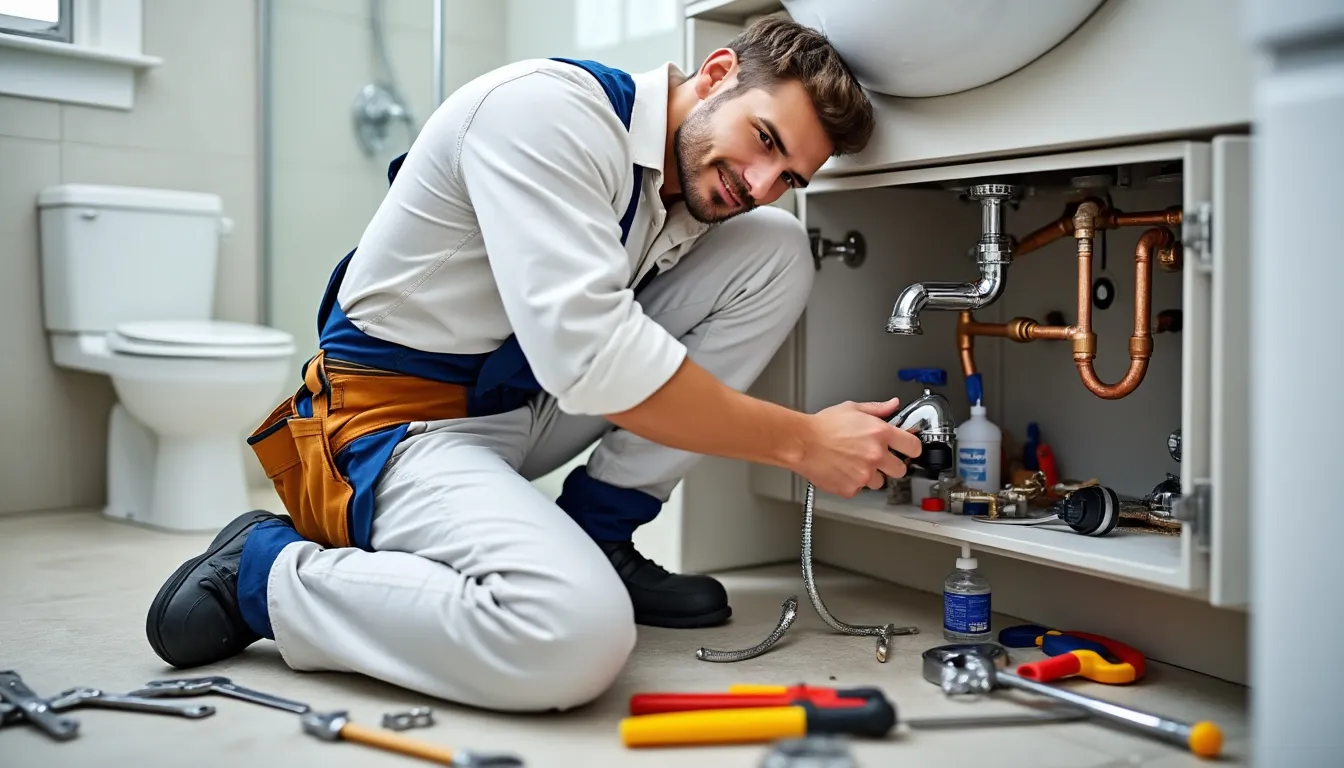
When selecting a professional, take into account the following criteria to ensure the quality of your installation:
Qualifications: Ensure that the electrician possesses the appropriate certifications.
Experience: A recognized installation company is a mark of reliability, often including brands like Acova or Chaffotaux & Mauriac.
Insurance: Don’t forget to check if the professional has a ten-year insurance policy.
Evaluate Pricing
While it may be tempting to choose the first offer that comes along, it is essential to compare several quotes. Also consider:
The quality of the materials offered, especially if you are targeting high-end equipment.
The long-term maintenance costs.
FAQ
What are the most efficient heating systems in 2025?
Condensing boilers from brands like De Dietrich and Viessmann, as well as heat pump systems, are recognized as the most effective.
Do I need to completely change my heating system to be compliant?
Not necessarily. A detailed diagnosis may show that only part of your system needs to be updated.
What is the importance of the NF C 15-100 standard?
This standard establishes fundamental requirements for electrical installations, thereby ensuring user safety.
How can I tell if my installation is compliant?
By conducting regular checks and with the help of a professional, your installation can be evaluated for compliance.
What are the signs that my boiler needs to be replaced?
Unusual noises, a drop in pressure, or rising heating bills may indicate that it is time to replace your boiler.
By following these steps and surrounding yourself with competent professionals, you can be assured of having a safe, efficient, and compliant heating system. Don’t wait any longer to act and ensure the safety of your home!