
High ceiling heating: effective solutions to optimize your comfort
4 min read
In a world where thermal comfort becomes a major concern, the question of heating in rooms with high ceilings poses a crucial challenge. Large rooms can quickly become cold or uncomfortable spaces due to air stratification and temperature differences. How can you optimize your comfort? This article explores effective solutions available to you for heating these vast spaces while saving energy.
Understanding thermal stratification: why heating is a challenge in large volumes
In any space, a phenomenon of thermal stratification occurs: warm air, being lighter, tends to accumulate near the ceiling while cold air remains closer to the ground. This situation can lead to a significant temperature gap, especially in rooms where the ceiling height exceeds 2.5 meters.
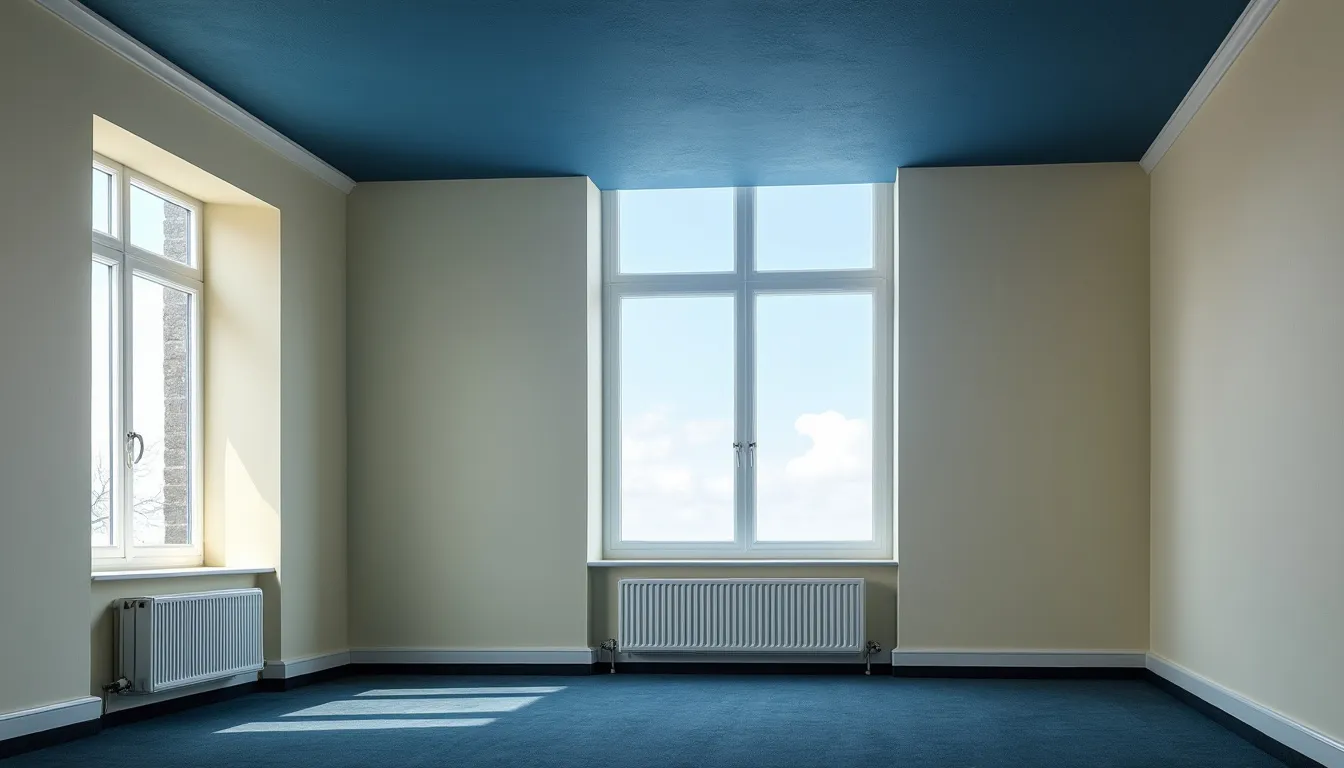
To better understand, know that this gap can reach one degree per meter of height. This means that in a 4-meter-high room, you could observe up to 4°C difference between the floor and the ceiling, turning your space into a real challenge for heating.
The implications of thermal stratification
Occupant comfort: Cold air near the ground can create a sensation of discomfort.
Energy consumption: It is necessary to overheat the upper layers to achieve comfort below, resulting in higher costs.
Energy loss: By unnecessarily heating the upper spaces, more heat escapes, thus increasing your bills.
In light of this issue, it is essential to find suitable solutions to maximize comfort while optimizing energy consumption.
Effective solutions for heating at height
Fortunately, several solutions exist to tackle these challenges. Here is an overview of the most promising options:
Solution | Advantages | Disadvantages |
|---|---|---|
Infrared heaters | Direct heating of surfaces, improvement of thermal comfort | High initial cost |
Convection system | Easy to install and use | Uneven heating |
Radiant systems | Uniform heating, reduction of heat loss | Complex handling, maintenance costs |
Infrared heaters: a suitable solution
Infrared heaters are becoming an increasingly popular solution, especially in spaces with high ceilings. Here are some key advantages:
They heat objects (walls, furniture) and people directly, rather than heating the air.
They allow for a reduction of the ambient temperature by 2 to 3°C while maintaining an equivalent comfort sensation.
Brands like Airelec, Thermor, and Stiebel Eltron offer stylish models that integrate into your decor.
Case studies: how our clients improved their comfort with infrared heating
We have assisted several clients in various situations. Here are some concrete examples of effective implementations:
Heating an apartment with a height of 3.4 meters
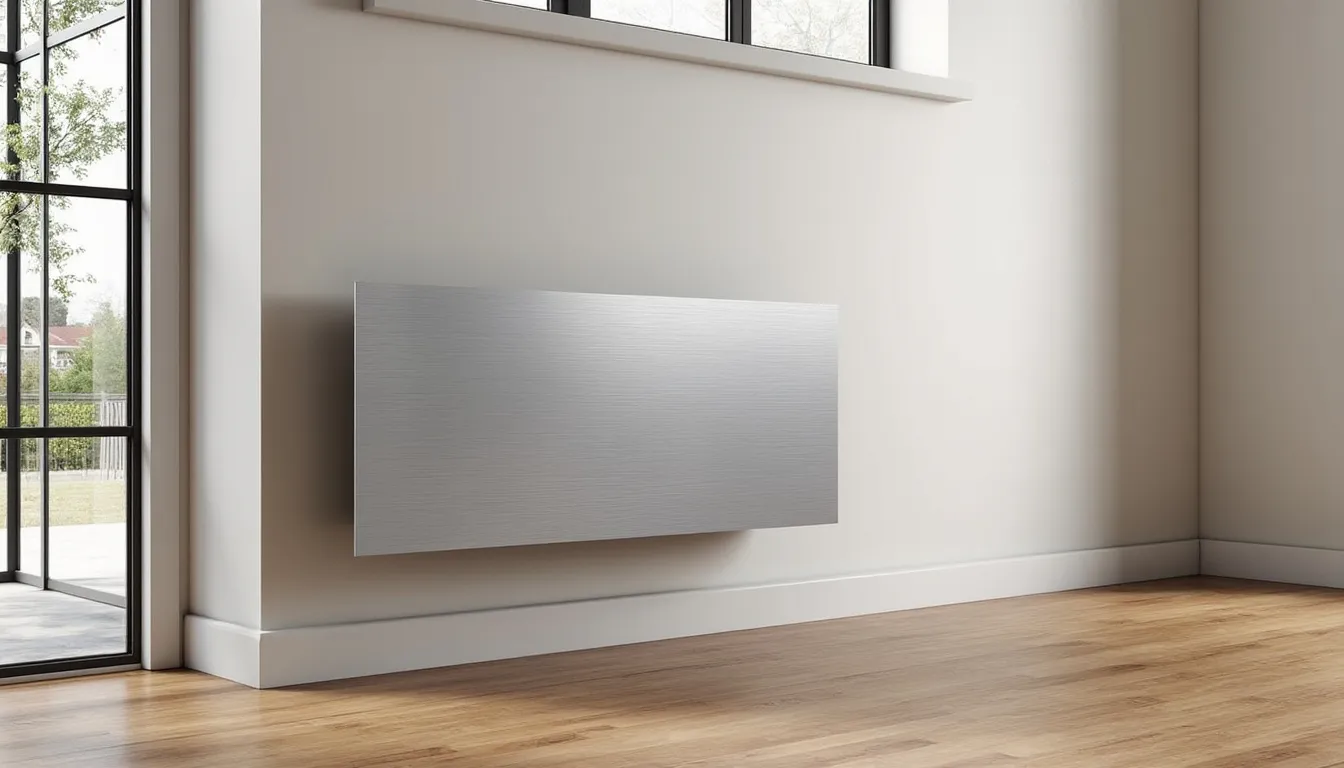
In a "Canut" apartment in Lyon, the owner wanted to maintain a pleasant temperature in the kitchen and the bar area while avoiding overheating the sleeping area on the mezzanine. The solution? Installing three flat ceiling heaters of 550 W. This approach allowed for optimal temperature regulation without running the gas boiler, making the entire setup both economical and aesthetically pleasing.
Sewing workshop: a renovated space
A sewing workshop in an attic with a sloped ceiling of 3.5 meters was lacking warmth. By placing a high-mounted 1200 W heater and two others of 550 W close to the workstations, the seamstresses were finally able to enjoy their space. The feedback is unanimous: this solution has transformed their winter experience.
Energy optimization: a major challenge
Energy performance is crucial in choosing a heating system. With rising energy costs, it is essential to make informed decisions. Here are some tips to optimize your installation:
Install smart thermostats to regulate temperature room by room.
Opt for combined solutions like solar panels or heat pumps (Atlantic, Ferroli, DeDietrich) to complement your heating.
Check the insulation of your space to minimize thermal loss.
System | Energy consumed | Savings made (in %) |
|---|---|---|
Infrared heater | Less than 30% consumption | 30% |
Teddington heating | Variable depending on usage | 20% |
Heat pump | High but offset by aids | 40% |
Accessibility and choice of equipment
It is important to choose a heating system that best suits your needs. Consider the age and specifics of your home before investing. Compare different models of radiators (like Acova and Caltelo) to choose those that align with your lifestyle.
FAQ about heating in height under the ceiling
What are the main advantages of infrared heaters?
Infrared heaters offer direct heating of surfaces, reducing the sensation of cold and allowing for energy savings while remaining comfortable.
How to effectively regulate heating in a large space?
Using connected thermostats allows you to adjust the temperature by zone. This helps you create comfort zones based on needs.
What type of heating is the most economical to use?
Infrared heating systems are often more cost-effective to use than standard convection systems, all while providing optimal comfort.
Can I combine multiple heating systems?
Yes, it is even recommended to combine multiple systems to maximize energy efficiency, for example, a heat pump with infrared heating.
What is the impact of insulation on heating?
Good insulation is essential to minimize heat loss and improve the efficiency of your heating system.
Heat intelligently, and your comfort will be there!