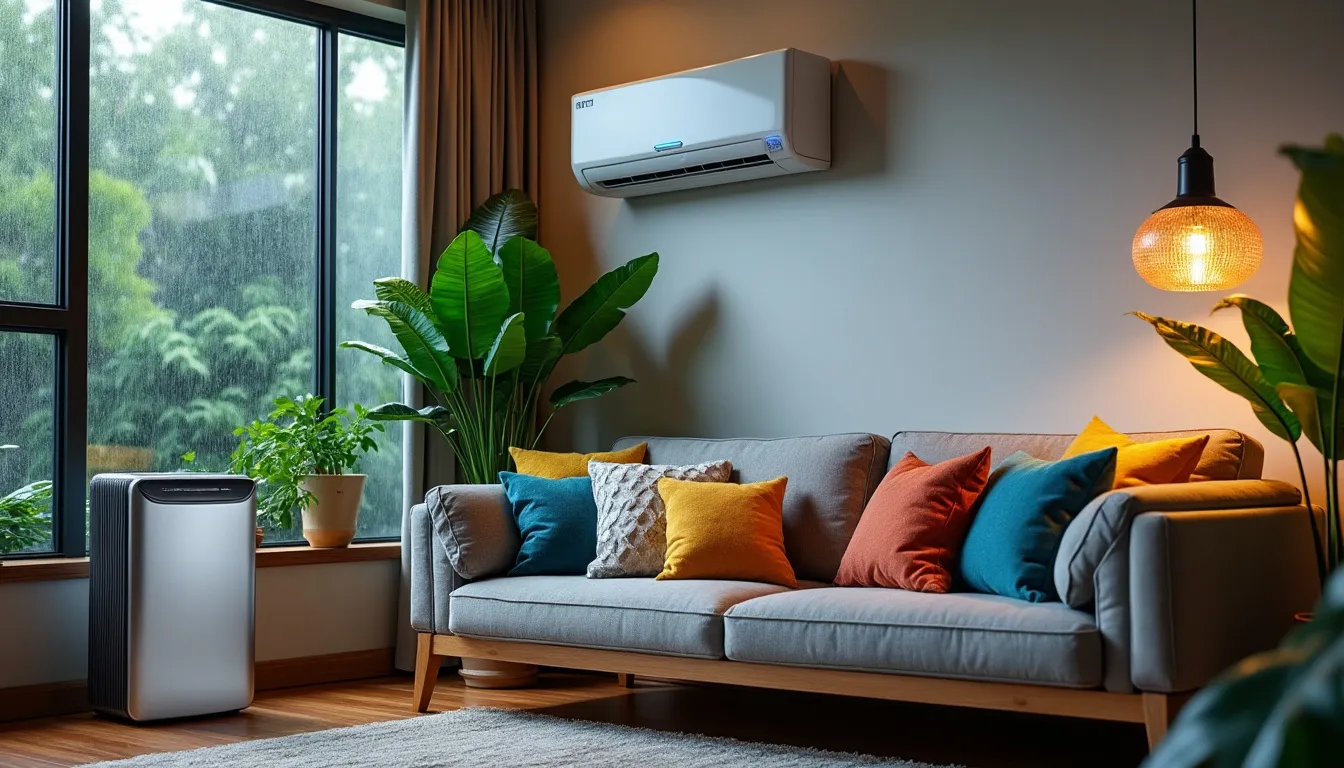
Heating in a humid region: anti-humidity solutions for lasting comfort
4 min read
Living in a humid region comes with its share of challenges, particularly regarding comfort and health. Humidity, although it may seem harmless, leads to real concerns within our homes. Mold, dust mites, and poorer air quality are the most common manifestations. Additionally, there is the deterioration of infrastructures, with materials swelling and warping, compromising the very structure of our houses. Thus, in this article, we will explore different heating solutions and humidity management, as well as practical tips to ensure a healthy and pleasant interior.
Understanding the Impact of Humidity in Your Home
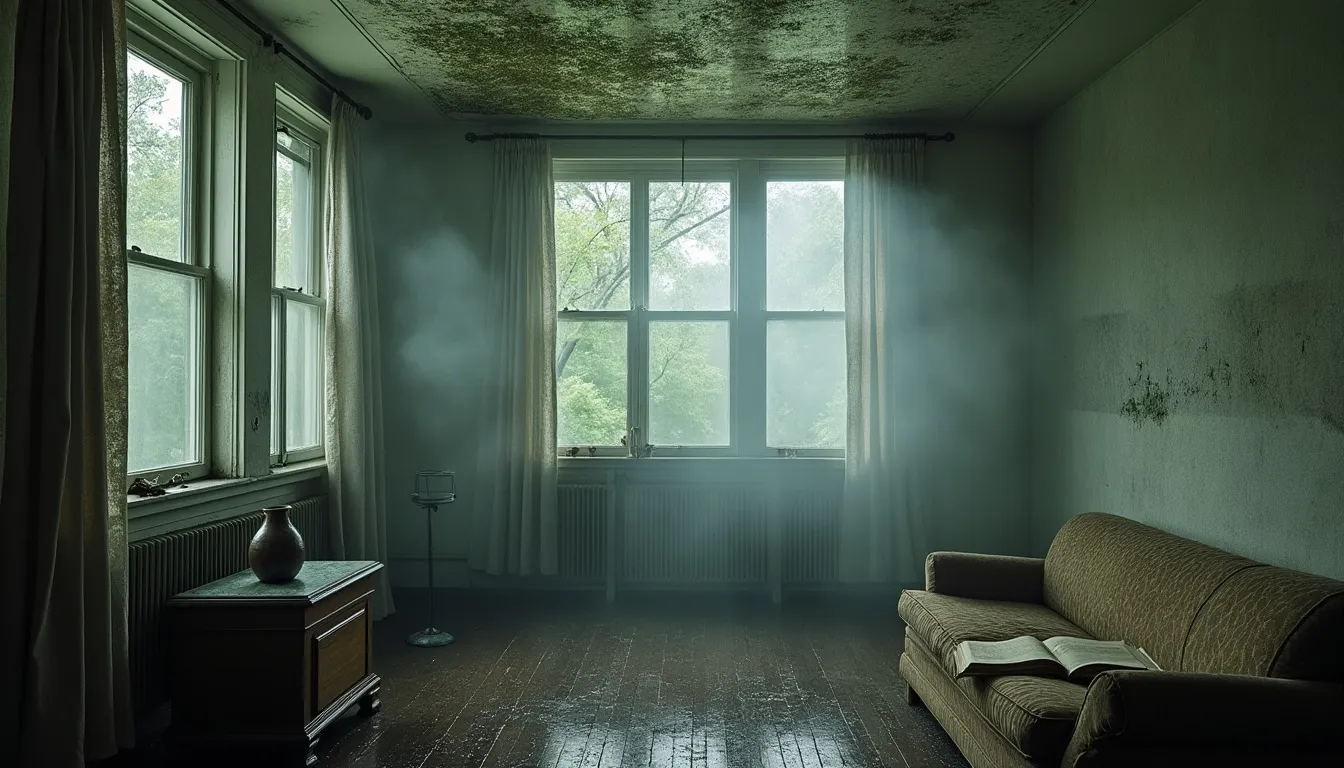
It is crucial to understand the impact of humidity within your home. An overly humid environment is not only uncomfortable; it can also harm your health. Mold spores and dust mites thrive in these conditions, leading to allergic reactions and aggravating respiratory problems, including asthma. Furthermore, the presence of humidity can cause stuffy heat sensations during warm periods and discomfort on cool days.
Structurally, humidity causes significant damage to your home. Materials such as wood, when exposed to excess moisture, degrade and can encourage the development of pests like termites. Cracks may appear in the walls, and electrical installations can be compromised, creating potentially dangerous situations. It becomes essential to monitor the signs of excess humidity.
Detecting Humidity Problems
To anticipate humidity-related issues, it is wise to recognize the warning signs. Here are some indicators to watch for:
Water stains on walls or ceilings
Persistent musty odor
Excessive condensation on windows
Walls that feel damp to the touch
Taking the time to observe these signs will allow you to act quickly and maintain the quality of your interior.
Effective Heating Solutions to Limit Humidity
To promote a healthy environment in humid conditions, the choice of heating system is crucial. Not only must it heat effectively, but it should also contribute to the management of ambient humidity. Systems offered by renowned brands such as Atlantic, De Dietrich, and Thermor stand out for their performance in humidity regulation.
Suitable Heating Equipment
Several types of heating systems can help control humidity:
Condensation Heating: These systems maximize their efficiency by recycling water vapor to produce heat.
Underfloor Heating: By distributing heat evenly, they reduce cold spots that favor condensation.
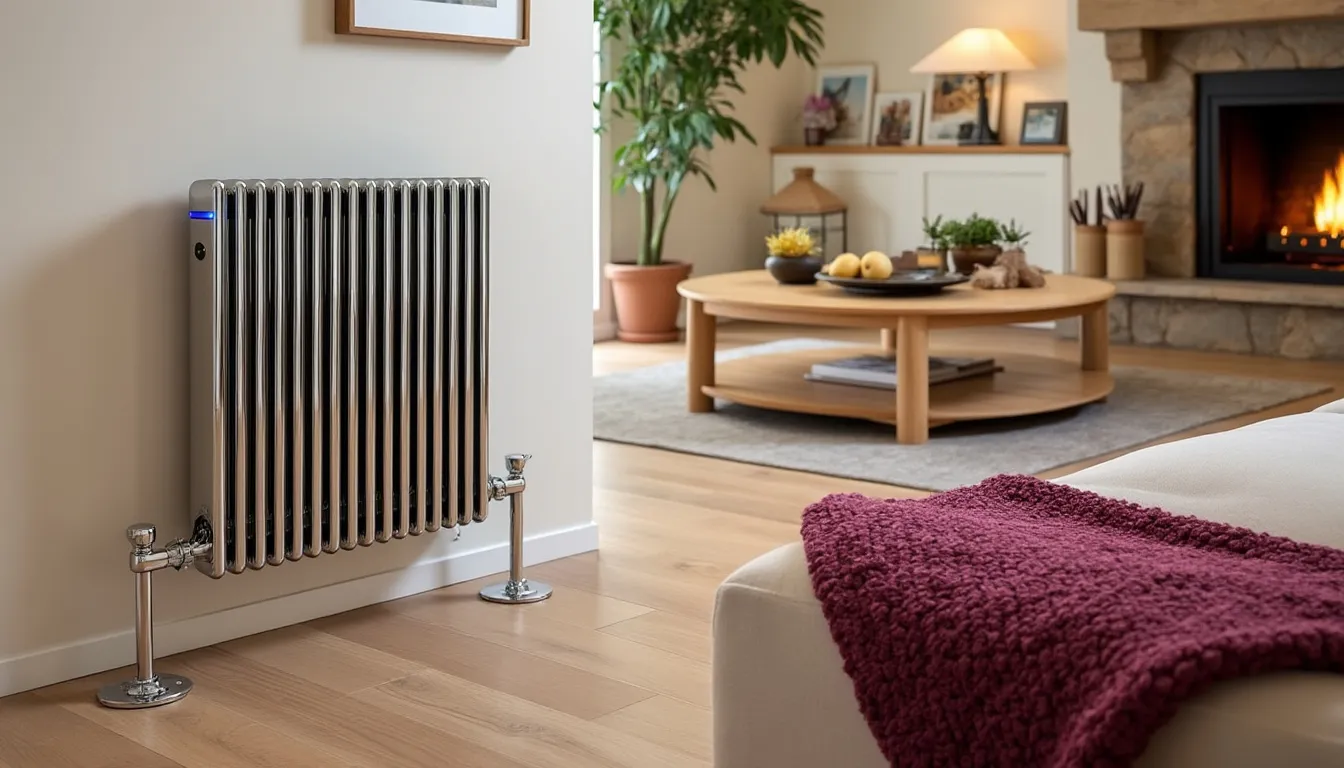
Soft Heat Radiators: These methods also contribute to an excessively humid indoor climate.
Brands like Wika and Fischer also offer very high-performance models. An effective heating system should not only be economical but also contribute to creating a healthy indoor atmosphere.
Optimizing Heat and Humidity
It is not enough to have a high-performing heating system; it is also necessary to adopt practices to optimize its efficiency:
Ensure that all radiators are cleared of any obstacles to allow good airflow.
Invest in smart thermostats that automatically adjust the temperature.
Use insulating covers to prevent heat loss.
These tips will not only optimize energy consumption but also create a pleasant living environment.
Humidity Management: Prevention and Treatment Techniques
In addition to choosing suitable heating, it is equally important to implement active strategies to manage humidity in the home. Exploring the various available solutions will improve indoor air quality.
The Importance of Ventilation
Ventilation is key to maintaining a good level of humidity. An effective ventilation system helps to expel humid air and introduce fresh air:
Extraction Fans: These devices, installed in spaces such as kitchens or bathrooms, help to remove humidity after cooking or showering.
Automatic Opening Windows: They allow regulation of air depending on the humidity level.
These devices prove to be a valuable addition to ensure a healthy internal environment.
Use of Dehumidifiers
Dehumidifiers are extremely effective devices for combating excessive humidity. They come in several models, from the simplest to the most advanced. Here are the types of dehumidifiers you may encounter:
Type of Dehumidifier | Advantages | Disadvantages |
|---|---|---|
Chemical | Low initial cost, simple maintenance | Frequent replacement of components |
Electric | Effective over large areas, automatic adjustment | High energy consumption |
Natural | Eco-friendly, low cost | Variable effectiveness depending on ambient humidity |
Choosing the most suitable dehumidifier for your space is essential to maximize its effectiveness.
Regular Maintenance and Prevention of Humidity Problems
To ensure the durability of your heating system and installations, preventive maintenance is essential. Too often, it is neglected, but regular follow-up can prevent many inconveniences.
Inspection of Installations
It is recommended to carry out semi-annual inspections of the installations. This includes checking:
Air conditioning and heating filters
Ray connections for radiators and pipes
The operation of dehumidifiers
Regular maintenance ensures that your system is operational and saves expensive repair work.
Management of Drainage Systems
Implementing drainage systems is another effective protection method against humidity. Several types of drains can be installed, depending on the layout of your house:
French Drains: These systems direct water away from the foundations of the house.
Sump Pumps: Used in basements to dispose of excess water.
Ensuring that gutters and pipes are functioning correctly is essential to prevent infiltrations.
FAQ
What are the best heating solutions for humid regions?
Condensation systems, underfloor heating, and soft heat radiators are generally the most effective as they reduce humidity levels while maintaining a pleasant temperature.
How do I detect a humidity problem in my home?
Watch for water stains, musty odors, and condensation on windows. Damp walls or ceilings may also be a sign of excess humidity.
What impact does a dehumidifier have on my energy bills?
Electric dehumidifiers may increase your energy consumption, but a wisely chosen model can offset this cost by preventing structural damage.
Why is it important to regularly maintain my heating system?
Regular preventive maintenance ensures that your system operates at maximum efficiency, thus prolonging its lifespan and reducing the risk of breakdowns.
Is it possible to use plants to regulate humidity?
Yes, certain plants like the peace lily or Boston fern absorb moisture naturally, helping to maintain a balance in the ambient air.