
The impact of an obsolete heating system on the sale of your house in 2025
5 min read
In a context where the energy performance of homes is becoming a primary concern for buyers, it is essential to consider the impact of an obsolete heating system when selling a house. In 2025, environmental and economic issues related to energy consumption are more relevant than ever. With rising energy prices and increasingly strict regulations on energy performance, an inefficient heating system can pose not only an obstacle for potential buyers but also a financial risk for sellers. This article will delve deeply into the various facets of this issue while providing you with practical advice to navigate this real estate reality.
The EPC and its importance in real estate sales
The Energy Performance Certificate (EPC) is a crucial tool for assessing the energy consumption of a property. In 2025, it becomes evident that buyers heavily rely on this document to guide their purchasing decisions. An empty EPC, meaning a certificate that does not provide reliable data on the energy performance of a house, can raise serious questions. It is therefore important for homeowners to understand what an empty EPC means and how they can manage it effectively.
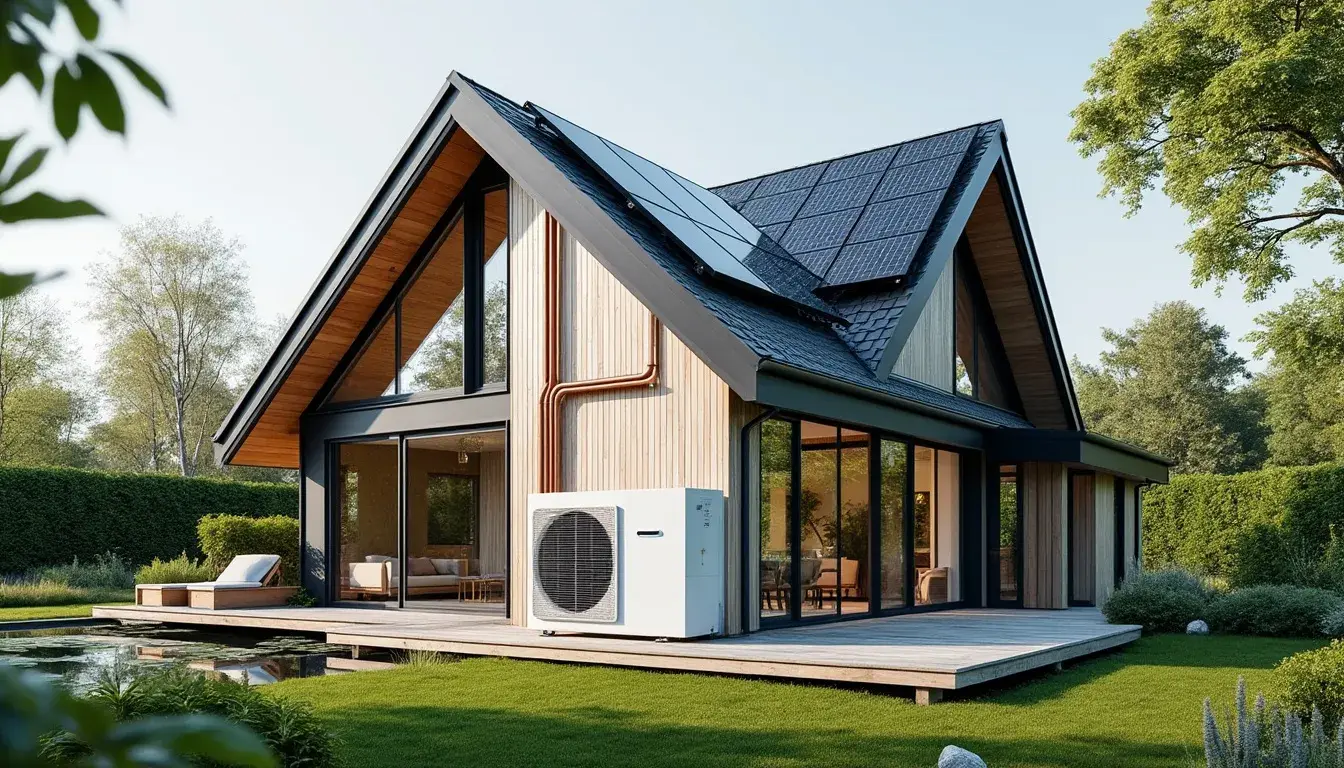
Understanding the Empty EPC
You may be faced with an empty EPC when selling your home. But what does it really mean? An empty EPC indicates that the available data on the energy consumption of your property is insufficient to establish an accurate assessment. This can arise from several factors:
Lack of consumption bills, often due to an extended vacancy period.
Secondary properties that could not be measured due to lack of an adequate heating system.
Difficulties for the expert in accessing certain essential information for the calculation.
In all cases, the presence of an empty EPC should be interpreted cautiously and requires particular attention from homeowners.
The Impact of the EPC on Real Estate Purchase
The EPC has a notable influence on the price and attractiveness of a house. Potential buyers are increasingly aware of the issues related to energy consumption; thus, a good EPC can represent a powerful selling point. Conversely, an empty or unfavorable EPC could lead to renegotiation of the price or even deter some buyers. Here are a few points to keep in mind:
A property with a high-performing EPC can attract more buyers and sell faster.
Long-term costs related to energy consumption are a major evaluation criterion for buyers.
Highlighting energy improvement works can enhance the property's value.
The Seller's Responsibility Regarding Heating
Another crucial issue to consider is the state of the heating system. Legislation clearly states that the seller is responsible for ensuring that the heating system is in good working order. According to a ruling by the Court of Cassation, a dwelling must have an efficient heating system to be considered decent.
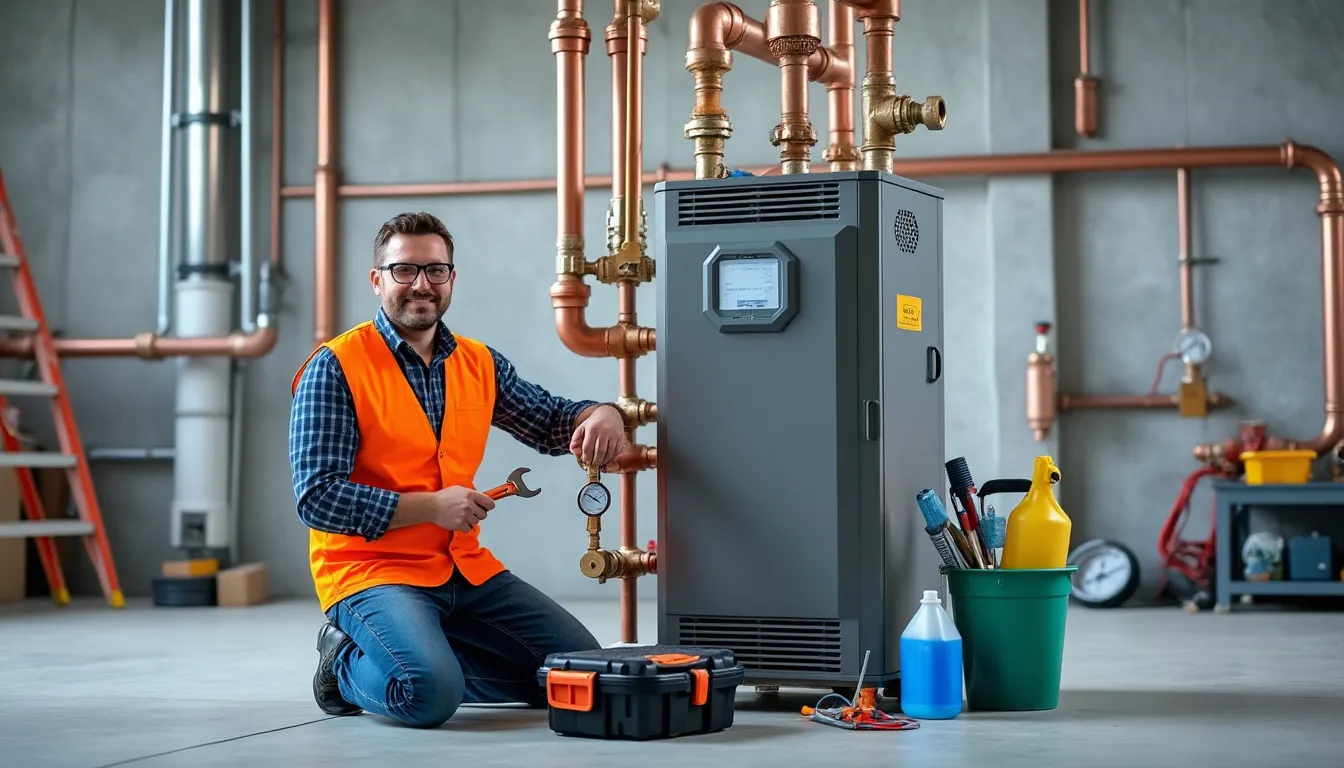
The Seller's Obligations Regarding Heating Condition
As a homeowner, it is vital to understand your legal obligations. If the heating system, for example, is faulty or obsolete, you expose yourself to significant financial risks. The consequences can be severe, such as the obligation to cover repairs amounting to up to 20,000 euros for a malfunction that you could have avoided with a prior check. Here are a few points to remember:
A well-functioning heating system is considered an essential accessory for selling a property.
The seller must carry out all necessary repairs before finalizing the transaction.
Good preventive maintenance of the heating system can avoid inconveniences during the sale.
The Role of Energy Performance in the Sales Process
The energy performance of a property is therefore a significant asset to highlight when putting it up for sale. Acquiring a series prairie dog for the heating system could prove to be a wise investment. For example:
Type of Heating | Characteristics | Recommended Brands |
|---|---|---|
Underfloor Heating | Optimal comfort, low consumption | Deltacalor, Thermor |
Condensing Boiler | High efficiency, energy savings | Viessmann, De Dietrich |
Heat Pump | Renewable energy, eco-friendly | Atlantic, Saunier Duval |
Electric Heating | Easy installation, low cost | Ferroli, Ideal Standard |
Optimizing Energy Performance Before the Sale
If you are uncertain about the EPC or the condition of your heating system, it is best to take proactive measures to optimize the energy performance of your home before putting it up for sale. Not only will this increase the appeal of your property, but it may also enhance its value at the time of sale.

Possible Improvements to Consider
Here is a list of improvements you might consider:
Thermal Insulation: Investing in good insulation helps to reduce heat loss.
Replacement of the Heating System: Choosing a modern system, such as a condensing boiler or a heat pump, can make a significant difference.
Renewable Energy Equipment: Installing solar panels or innovative heating systems, such as those offered by Schneider Electric or Caleosol.
Available Financial Aid for Energy Renovation
It is important to note that numerous financial aids are available to support homeowners in their energy renovation projects. Here are some programs not to overlook:
Type of Work | Expected Impact | Possible Aid Programs |
|---|---|---|
Thermal Insulation | Comfort and reduction of heat losses | |
Renewable Energy Equipment | Reduction of dependence on fossil fuels | Regional aids, CITE |
Heating Renovation | Improvement of energy performance | Energy voucher, Anah |
The Sale in 2025: A New Real Estate Landscape
In 2025, the sale of homes is transforming, with increased attention given to their energy performance. Every detail counts, and heating is just one of the fundamental components to examine. The evolution of buyer expectations, combined with an increasingly demanding regulatory framework, requires homeowners to make prudent decisions to enhance their property’s value.
Current Trends in the Real Estate Market
Buyers are increasingly oriented towards homes with a low environmental impact. This means that if you are considering selling, it is time to adapt your home to the new market expectations. Here are some current trends:
Growing ecological awareness among buyers.
Long-term financial benefits for energy-efficient homes.
Importance of transparency regarding energy performance.
How to Prepare Your Home for Sale
It is essential to prepare your home before the sale to meet buyer expectations. In addition to optimizing heating, here are some recommendations:
Conduct an energy audit to identify areas for improvement.
Highlight the eco-friendly features of your property.
Be ready to provide relevant documents, including the EPC, to reassure buyers.
Frequently Asked Questions about Heating in Real Estate Sale
When considering selling your property, numerous questions may arise. Here are some of the most common questions.
What does an empty EPC mean for my property? An empty EPC indicates that you have not provided sufficient information to assess the energy performance of your home, which may make your property less appealing.
What happens if my heating system is faulty? If your heating system is not working, it can lead to legal issues and significant repair costs.
What renovations can I undertake before selling? Improving insulation, replacing outdated heating systems, and installing renewable energy equipment are relevant renovations.
Are there financial aids available for energy renovation? Yes, various aids like MaPrimeRénov’ or eco-PTZ are available to support renovation works.