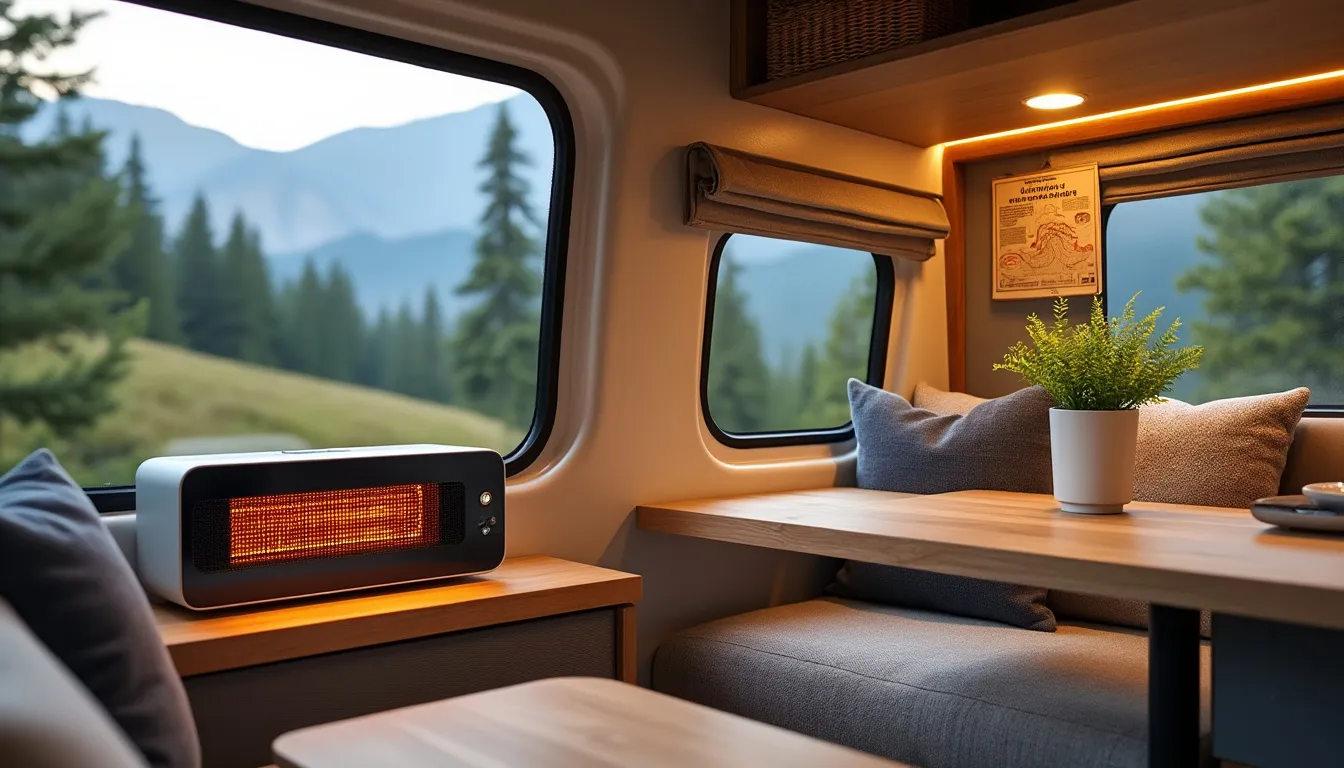
Self-heating in a converted van: the best mobile solutions for optimal comfort
5 min read
In the vast universe of vanlife, every detail matters to ensure optimal comfort. One of the key aspects not to be overlooked is undoubtedly heating. Indeed, when it comes to spending nights in a converted van in the heart of a winter landscape, a reliable heating system quickly becomes a precious ally. In 2025, as more and more travelers dare to venture out in vans all year round, it is essential to be well-informed about the various heating solutions available. Whether you are an occasional vanlifer or a seasoned adventurer, this guide will provide insights into heating systems, their effectiveness, and, above all, what best suits your needs.
Why invest in heating for your converted van?
When discussing heating in a converted van, it is not just about comfort but also safety. A proper installation allows you to fully enjoy the space, even when temperatures drop. It is thus possible to embark on adventures in cold destinations, whether in the mountains for a ski trip or during an escape to Nordic regions.
The need to heat a converted van is reinforced by several factors:
Cozy atmosphere: A well-heated interior allows you to feel at home, even in the great outdoors.
Safety: Avoid issues related to freezing, such as frozen pipes or batteries.
Convenience: A good heating system makes indoor activities easier, whether cooking, resting, or working.
Flexibility: Having the ability to travel and park in winter without sacrificing comfort.
It is therefore crucial to choose a heating system suitable for your converted van, taking into account the desired autonomy, type of installation, required power, VASP certification (Vehicles Specifically Amended), and of course, your budget.

The different types of heating for vans
There are several heating solutions suitable for converted vans. The main categories include:
Electric heating
Autonomous diesel heating
Gas heating
Water heating
Combined heating with water heater
Chinese heaters
Each of these solutions has its advantages and disadvantages, which are essential to understand in order to make the right choice.
Before heating: the importance of insulation
Before choosing a heating solution, it is crucial to emphasize the quality of your van's insulation. Indeed, a well-insulated van will be much easier to heat and will retain heat better. Here are two effective insulation solutions that have stood out in the market:
Amarflex adhesive insulating foam: easy to install, it sticks directly to the bodywork after degreasing. Available in different thicknesses, the 19 mm option proves to be a good quality-space compromise.
Spray cork: Its ability to mold to the shapes of the bodywork, even in corners, makes it a smart choice. It is advisable to add an insulation material like Isopol'R Buitext for optimal effectiveness.
Insulating performance not only helps retain heat but also improves the sound insulation of the cabin. Recently, the use of recycled materials promotes an ecological approach.
Electric heaters: fast but limited
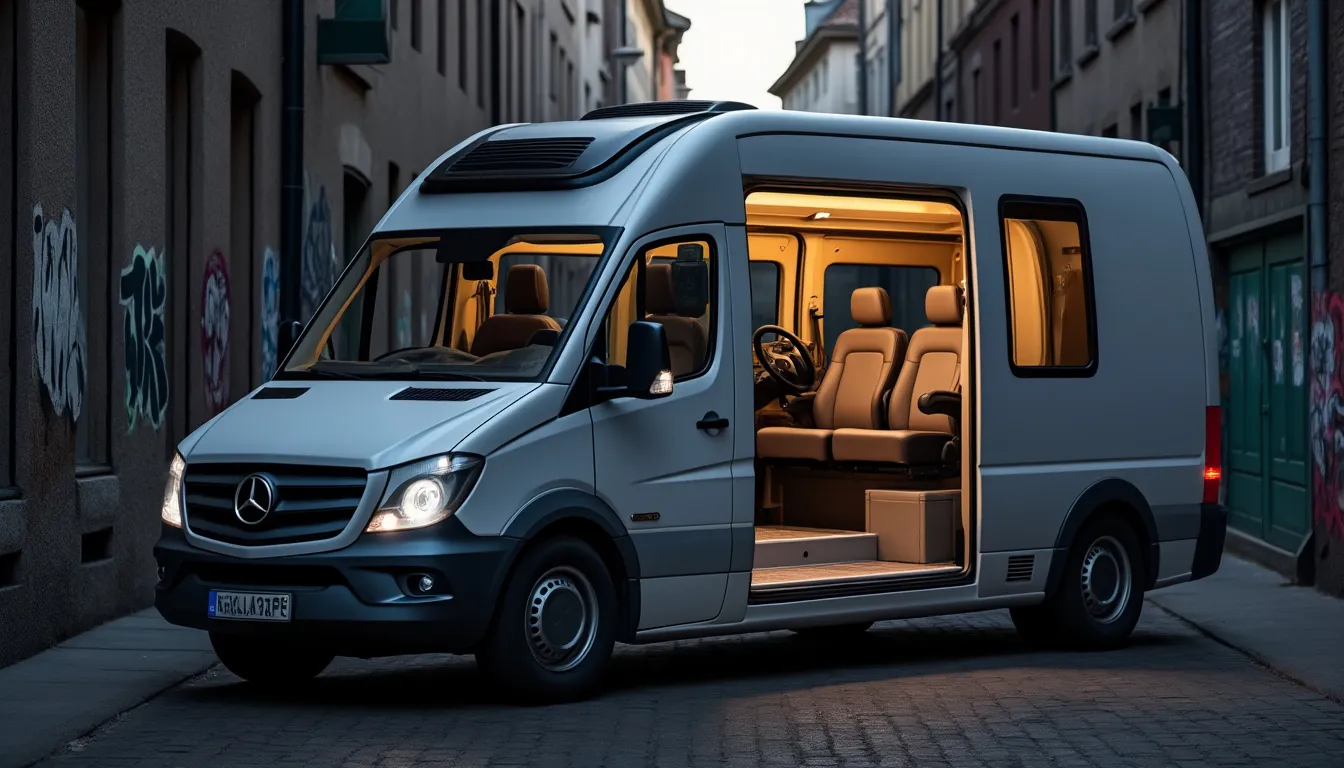
Electric heaters are generally simple to use and do not require complex connections. There are various models such as:
Fan heaters: They quickly warm up the space, ideal for short breaks, but they do not allow for autonomous use.
Oil-filled radiators: They provide gentle warmth, but like their counterpart, they require a connection to the 230 V electrical network.
The cost of an electric heater is generally very affordable, but its use is limited to campsites or places with an electrical supply. For wilder trips, other options will need to be considered.
Diesel autonomous heating: a robust solution
Diesel heating is the preferred choice of many vanlifers. Thanks to well-known brands like Eberspächer and Webasto, these systems are renowned for their effectiveness. Here are their main characteristics:
Power supply: Operates from your van's diesel tank, eliminating the need for cumbersome gas bottles.
Installation: Can be integrated into the vehicle's chassis or in the cabin.
Use while driving: Unlike some gas heaters, diesel heating can operate even while in motion.
However, it is important to keep in mind that these heaters also consume a bit of electricity for their operation, so it is essential to plan for a sufficient battery bank for ignition and ventilation.
Type of heating | Initial cost | Advantages | Disadvantages |
|---|---|---|---|
Electric heating | Starting from €15 | Fast, convenient, space-saving | No autonomous use |
Diesel heating | Starting from €600 | Autonomy, no gas-related clutter | Electric consumption |
Gas heating | Starting from €1000 | Efficient and fast heating | Gas storage capacity required |
Gas heaters: efficiency and constraints
Gas heating remains a popular option among vanlifers. There are two main types:
Forced air heating: Very efficient, it heats the air that is redistributed throughout the cabin. Brands like Truma offer suitable models such as the Truma Varioheat.
Convection heaters: These devices use convection to distribute heat, but they are not approved for vans.
The cost of a forced air heating system generally varies between €1000 and €2000, with installations that can be quite expensive, depending on the professionals.
Water heating: a versatile solution
Water heating, such as Alde, represents another interesting option for your van. These units heat a fluid circulating in a dedicated circuit and provide both heat and hot water.
Compact heat unit: Allows for more discreet installation.
Pairing with water heater: You will gain comfort with hot water available.
However, the installation can be technical, and its cost generally starts from €650. Therefore, it is wise to weigh these elements before proceeding.
Chinese heaters: a good choice?
There are also low-cost copies of renowned brand heaters, often referred to as Chinese heaters. Although the cost is attractive, it is essential to be cautious.
Reliability: The quality of manufacturing often leaves much to be desired.
Durability: Their lifespan is generally shorter than that of well-known brands.
Certification: None have VASP certification, which raises questions in case of an accident.
It is therefore better to favor recognized brands like Dometic, Webasto, or Eberspächer for a long-term investment.
Frequently asked questions about heating your converted van
What is the most suitable heating system for a converted van?
Can electric heating be sufficient?
Are Chinese heaters worth it?
How to optimize heating?
In summary, choosing the right heating system for your converted van involves considering several factors. Optimizing insulation, selecting a system suited to your needs, and understanding the advantages and disadvantages of each option will allow you to travel comfortably, regardless of the climate.