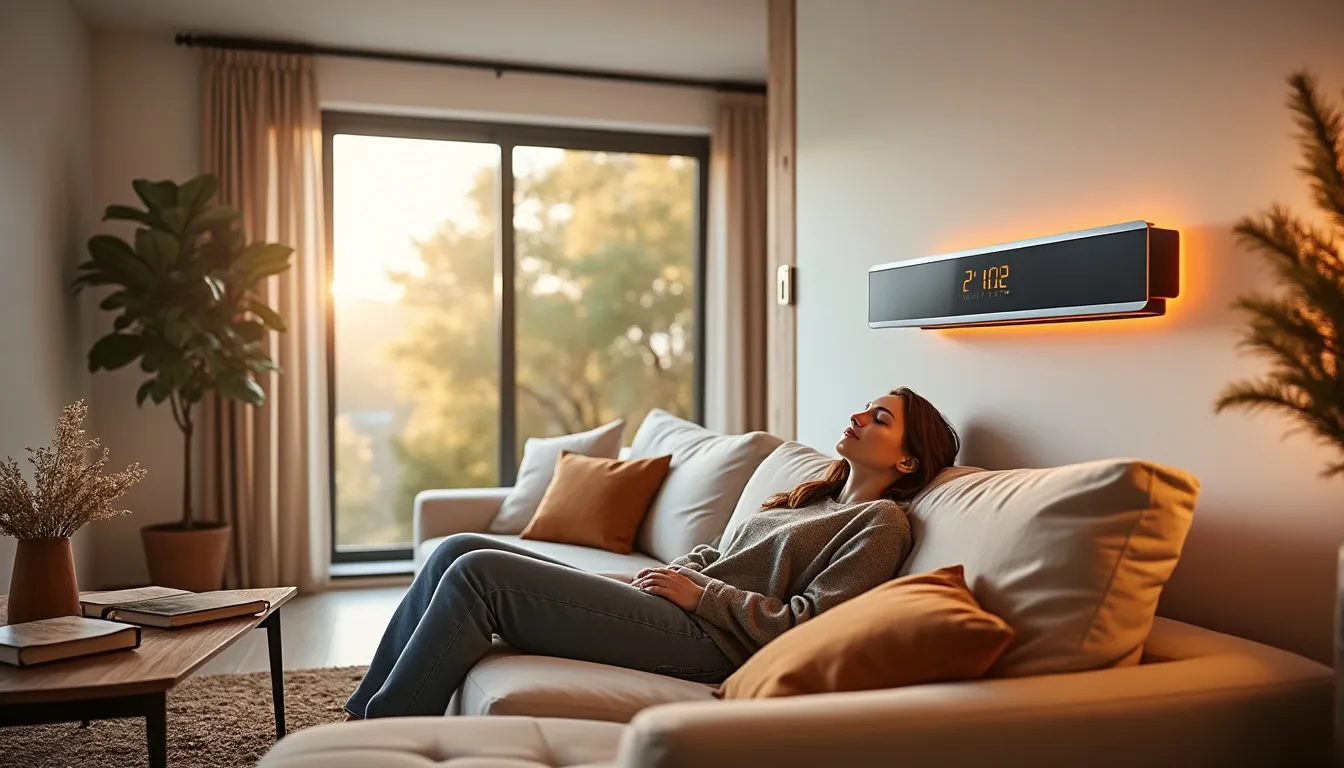
Infrared heating: an economical and efficient solution for supplementary heating
3 min read
As winter approaches, the need for heating becomes essential, especially if you want to enjoy your outdoor space or simply feel comfortable at home. Infrared heating presents itself as an efficient and cost-effective alternative to meet these needs. Straddling the line between performance and ease of use, this system offers numerous possibilities for various supplemental heating situations. In this article, we will explore the characteristics, advantages, and different options of this type of heating, as well as the best practices for its use. Whether you are a fan of gentle warmth or looking for a quick solution for a specific space, infrared heating might just captivate you.
What is infrared heating?
Infrared heating works on the principle of emitting radiant heat. Unlike traditional systems that heat the air, it directly heats objects and people in the room, thus providing a softer and more homogeneous warmth. This means you quickly feel the heat, even in larger spaces. This type of heating is particularly effective in well-insulated areas or in rooms that you use temporarily, such as a workshop or a conservatory.
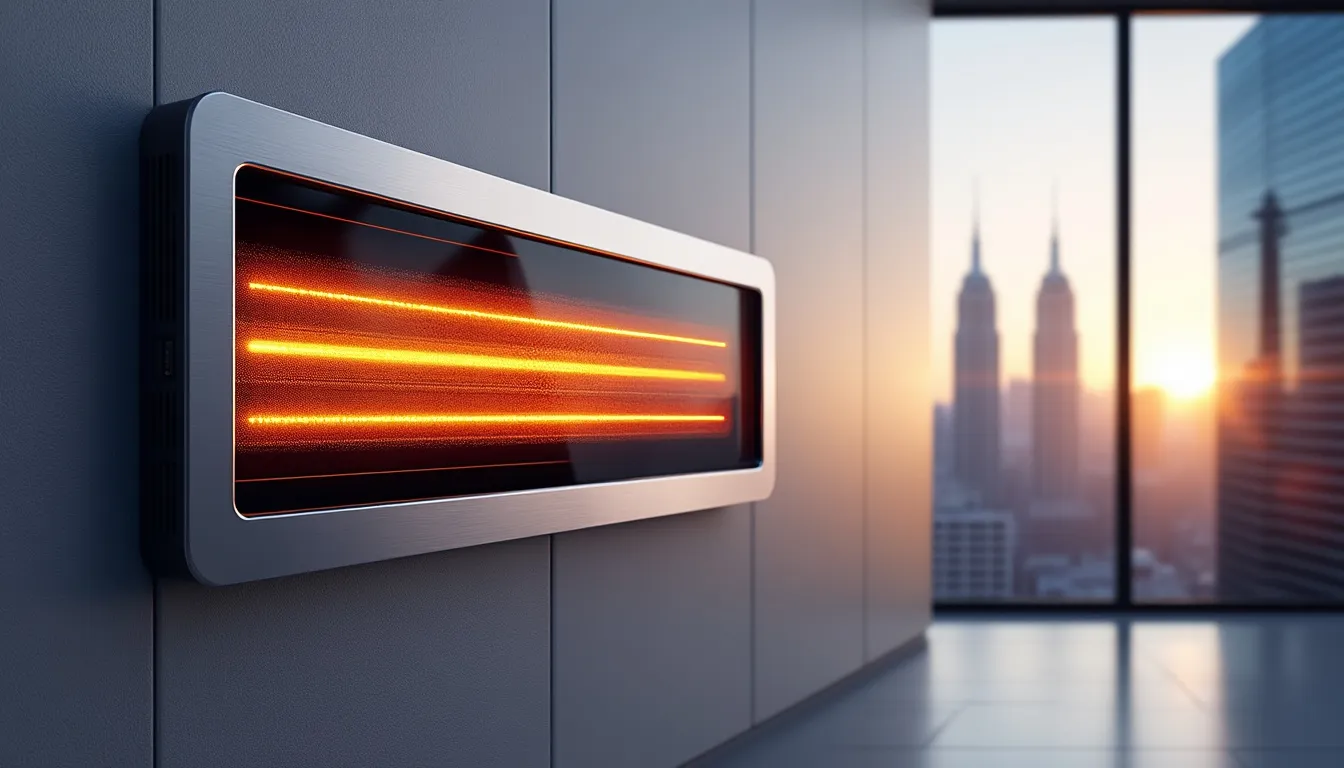
Different types of infrared heaters
There are several types of infrared heaters available on the market. Here are a few:
Infrared panel heaters: Discreet and aesthetic, they easily integrate into various interior decorations.
Quartz heaters: Quick to install, they emit intense heat and are particularly suitable for outdoor use.
Far infrared heaters: Known for their ability to penetrate deeply into body tissues, enhancing the soothing effect.
Each of these devices has unique characteristics: the choice will depend on your specific use, the space to be heated, and the desired aesthetic.
Why choose infrared heating?
Infrared heating is a cost-effective and efficient solution that offers several advantages. Here are some of the main benefits:
Energy savings: Infrared heating uses a direct heating system that reduces thermal losses, thus leading to savings on your electricity bill.
Instant heating: Thanks to its ability to quickly heat objects and people, it only takes a few seconds to feel a pleasant warmth.
Environmentally friendly: This type of heating does not emit greenhouse gases and can operate with a renewable energy source.
Installation flexibility: It can be installed almost anywhere, whether indoors or outdoors, providing great freedom of use.
Comparison with other heating systems
It is important to compare infrared heating with other traditional systems. Here is a summary table to help you make your choice:
Type of heating | Heating time | Operating cost | Environmental impact |
|---|---|---|---|
Standard heating (electric) | 5-10 minutes | High | Moderate |
Infrared heating | Instantaneous | Low | Low |
Gas heating | 10-15 minutes | Intermediate | High |
As shown in the table, infrared heating stands out due to its speed and reduced operating costs, making it particularly attractive for regular use.
The best infrared heaters of 2025
To help you make the best choice, here is a selection of the most recommended infrared heating models of this year:
InfraHeating Pro 3000: Ideal for large spaces, it ensures uniform warmth very quickly.
HeatingDesign IR Home: Aesthetic and compact, perfect for indoor use.
Heatwave Outdoor 500: Designed for outdoor use, this model is weather-resistant and offers pleasant warmth on the terrace.
ZenithInfrared Classic: An excellent choice for solid performance at an affordable price.
Best practices for using infrared heating
To get the most out of your infrared heating and maximize its efficiency, here are some helpful tips:
Positioning: Place the heater in a spot where it can directly radiate heat toward your living area.
Use of thick curtains: This helps retain heat in the room and reduce thermal losses.
Turn off when not in use: Take advantage of timer or remote control features in some devices to avoid unnecessary heating.
By applying these tips, you can enhance the effectiveness of your infrared heater and soften your living space during the cold months.
FAQ - Frequently Asked Questions
What is the cost of an infrared heater? Prices vary depending on brands and models, but you can expect prices ranging from €150 to €500 for a good quality model.
Is infrared heating safe? Yes, as long as it is used according to the manufacturer's instructions and placed correctly, it is safe.
Can infrared heating be used outdoors? Yes, there are models specifically designed for outdoor use.
What are the advantages over conventional heaters? Infrared heating warms up faster, is cost-effective, and generates less CO2 emissions.
Can infrared heating replace a central heating system? It can complement your central heating system, but it is generally not a standalone solution for the entire house.