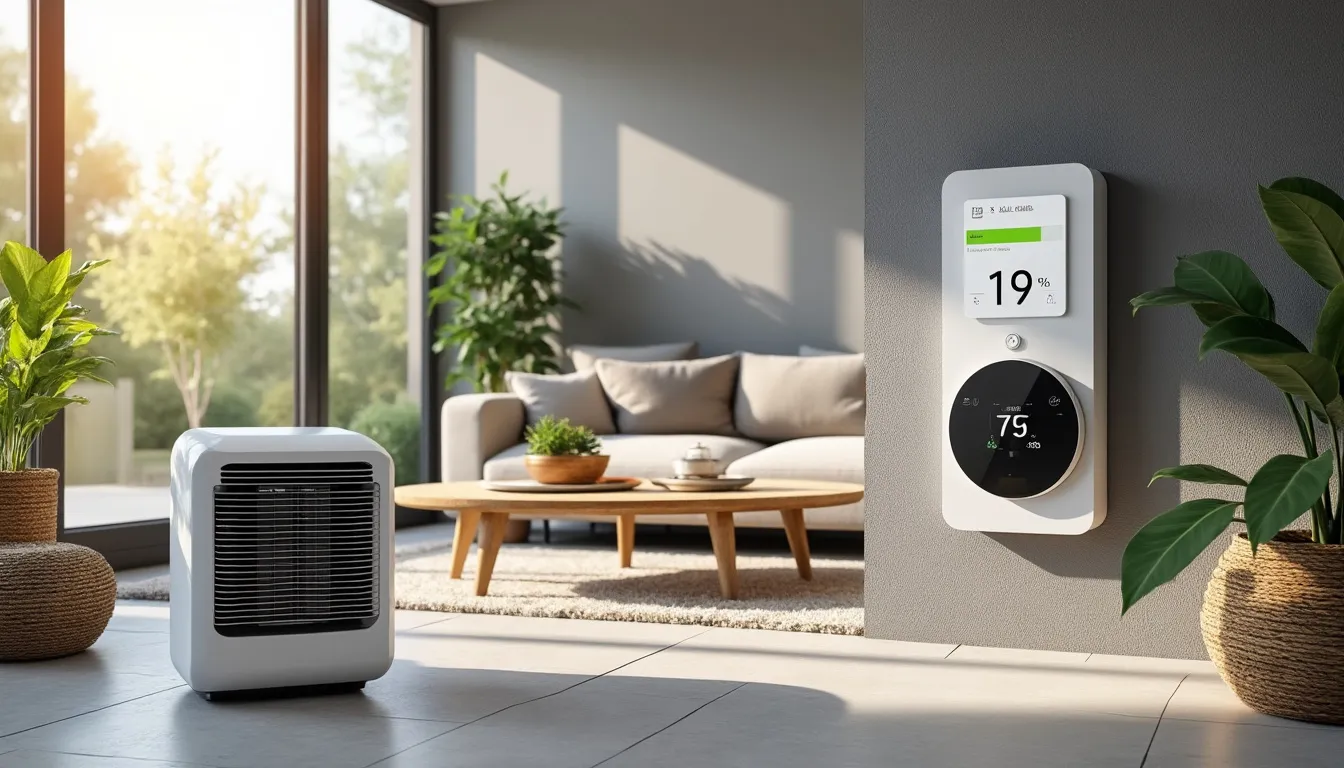
Electric low-consumption heating: what solutions to adopt in 2025?
5 min read
The high cost of energy is a growing concern for households, especially in the face of the continuous increase in electricity and gas bills. By 2025, adopting low-consumption electric heating solutions becomes imperative to ease your budget and address environmental issues. This article explores the various strategies to consider for optimizing your heating system, reducing your energy consumption, and taking advantage of technological innovations. From improving the thermal insulation of your home to adopting advanced technological devices, discover the best practices to prepare for a more responsible and economic energy future.
Why improve the thermal insulation of your home?
Optimizing the thermal insulation of your home is fundamental to reducing your energy footprint. Good insulation helps limit heat loss, resulting in significant savings on your energy bill.

Detect thermal bridges
Thermal bridges are areas where insulation is insufficient, often at the junctions between walls, windows, and roofs, leading to heat loss. To identify these problematic areas, an inspection by a professional equipped with a thermal camera is strongly recommended. According to the French Energy Transition Agency, improving these areas can reduce your energy consumption by 5 to 10%.
Inspection of walls and attics
Checking windows
Effective insulating materials
The choice of materials plays a crucial role in the effectiveness of insulation. Opt for rock wool, known for its thermal and acoustic properties, or polyurethane, which offers an excellent performance/price ratio. Indeed, a well-insulated home could see its heating bill decrease by 20 to 30%. Also consider financial aids like MaPrimeRénov’ or Energy Savings Certificates (CEE) which can reduce the cost of your insulation work.
Adjust your heating and cooling system
Adjusting your heating and cooling system is crucial to effectively manage your energy budget by 2025. Smart temperature management and proper maintenance of your equipment will help reduce your consumption.
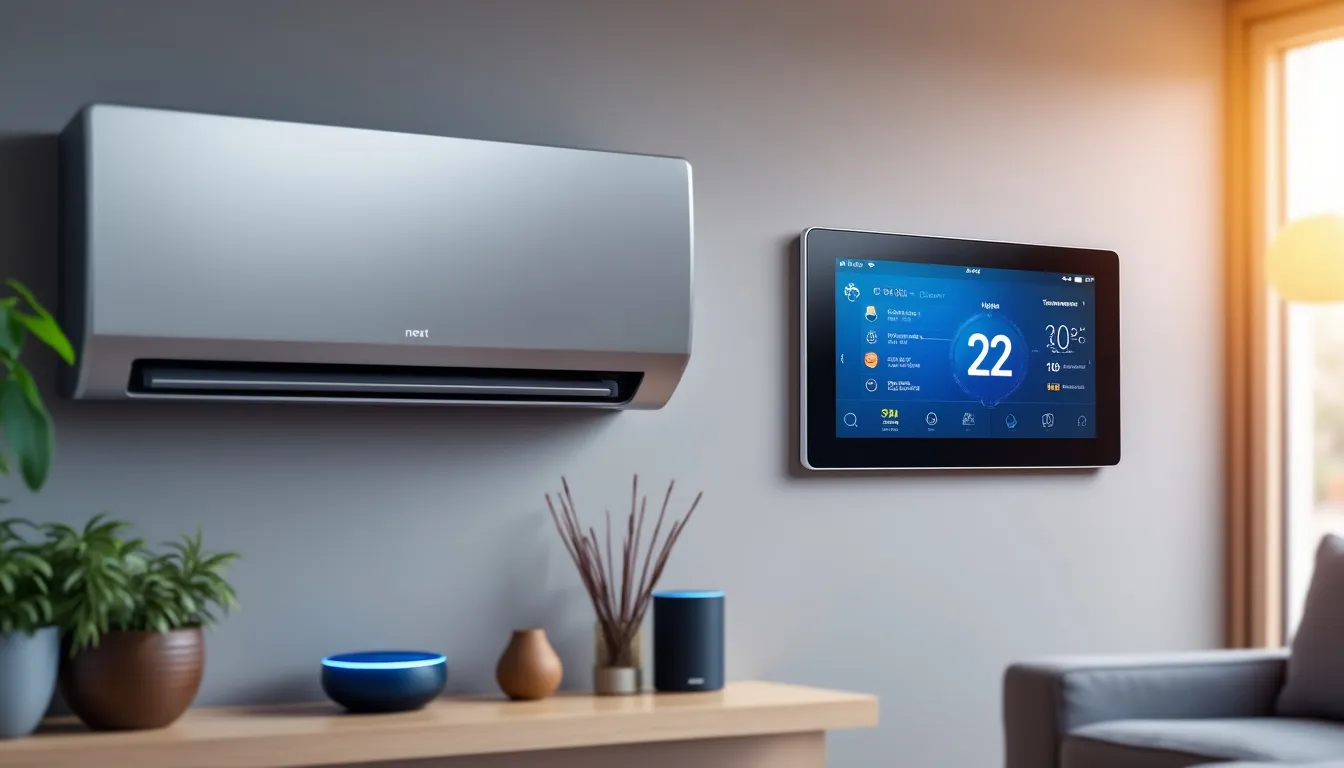
Effective temperature management
Programming a thermostat to heat only the rooms you use can reduce your heating expenses by about 15%. By lowering the temperature by an average of 1°C, you can save up to 10% energy according to a study by ADEME. Proper heat management is a crucial step for optimizing your heating.
Invest in efficient equipment
To maximize your comfort and minimize your consumption, choose low-consumption boilers or heat pumps that use less energy. For instance, a heat pump can produce three to four times more energy than it consumes, offering a quick return on investment. Replacing an old boiler with a modern model could lead to savings of 20 to 30% on your heating bills.
Heat pumps: increased efficiency
Condensing boilers: recovery of combustion gases
Regular maintenance contracts: extending the lifespan of your systems
Compare energy supplier offers
In a changing energy landscape, it's essential to compare available offers to reduce your electricity and gas bills. Price variations among different suppliers are significant and can lead to valuable savings.
Use an online comparison tool
Online comparison tools make it easier to search for interesting offers. Enter your average consumption and some details about your home to discover offers that could reduce your bill by up to 15%. For example, a household consuming 10,000 kWh per year could save up to 150 euros by switching suppliers.
Take advantage of specific offers
To make the most of your consumption, packages such as off-peak hour options prove advantageous. These pricing plans allow you to benefit from discounts at certain times of the day. Thus, by using your energy-intensive devices during these hours, you can limit your costs. Studies by ENEDIS indicate that using off-peak hours can lead to savings of about 10% on the annual bill.
Day/night plans
Adjustments based on lifestyle habits
Optimization of device operating hours
Anticipate legislative and fiscal changes
To manage your energy budget effectively, it's crucial to monitor legislative and fiscal developments that could impact your finances. By anticipating these changes, you better prepare for informed energy management.
Monitoring reduced rates
Upcoming finance laws could eliminate certain exemptions on energy, potentially increasing costs by 5%. Thus, an increase for a household with an annual bill of 1,200 euros could lead to an additional cost of 60 euros. Stay informed to take appropriate measures.
Forecasting upcoming regulations
With the probable announcement of the removal of the energy buffer in 2025, it is essential to adjust your budget to avoid being caught off guard. Leverage other solutions such as financial aids and optimization of your installation to compensate for this change.
Checking current aids
Expert advice on renovations
Anticipation of new regulations
Innovations to consider for the energy of tomorrow
The technological advancements of today offer practical ways to manage your energy consumption. By integrating innovative solutions, you could achieve savings while contributing to the environment.
Install smart meters
Smart meters, such as those developed by Schneider Electric, allow you to monitor your consumption in real time. This visibility on consumption peaks encourages changes in behavior to avoid wastage, potentially leading to savings of 10 to 15% annually.
Utilize solar energy
Domestic solar devices are becoming an increasingly attractive alternative. Moreover, these installations can cover up to 30% of the energy needs of a household, with an increasingly rapid return on investment. Thanks to available financial aids and decreasing installation costs, solar energy becomes an appealing option.
Photovoltaic panels
Partial self-consumption for budget stability
Integration with the grid to maximize benefits
Take advantage of available aids
The state and local authorities offer numerous aids to facilitate the adoption of green technologies. By informing yourself about these aids, such as MaPrimeRénov’ and the CEE, you can significantly reduce your installation costs.
Take the time to investigate these funding options and opt for sustainable solutions that fit your budget while preserving the environment.
Type of aid | Estimated amount | Conditions for obtaining |
|---|---|---|
MaPrimeRénov’ | Between 1,000 and 20,000 € | Depends on the work done and financial resources |
Energy Savings Certificates (CEE) | Variable according to the project | Completion of energy efficiency improvement works |
Regional aids | Variable (up to 50% of the cost) | Often subject to location or income criteria |
FAQ
What types of electric heating are the most economical in 2025?
Heat pumps and condensing boilers are among the most cost-effective choices, offering high yields and savings on your heating bills.
How can I reduce my energy consumption without costly renovations?
Program your thermostat to heat only the occupied rooms, use insulating curtains, and unplug devices on standby.
What aids are available for energy renovations?
Aids like MaPrimeRénov’ or Energy Savings Certificates (CEE) can cover a large part of the cost of your energy improvement works.
Can thermal insulation really make a difference?
Absolutely! Good insulation can reduce your energy consumption by 10 to 30%, depending on the current condition of your home and the work undertaken.
When should I consider replacing my old heating system?
If your heating system is over 15 years old, requires frequent repairs, or your energy consumption is increasing, it’s time to consider replacing it.