Improve the sealing of your home to optimize the performance of your heating system
4 min read
In the current context where concerns about energy efficiency and reducing heating costs are more pressing than ever, optimizing the airtightness of your home appears to be an essential solution. The quality of insulation and the airtightness of homes play a major role in the proper functioning of heating and air conditioning systems. In this article, we will explore the methods to implement to improve the airtightness of your home, the materials to favor, as well as the economic and ecological advantages of such an approach. Furthermore, we will discuss how these improvements can indirectly contribute to an increase in the performance of your heating system.
Understanding the Importance of Airtightness for Your Heating System
The airtightness of a house is often underestimated, but it is crucial for ensuring thermal comfort. Indeed, a well-sealed house retains heat in winter and keeps cool in summer. This results in a significant reduction in heating and air conditioning costs, especially in a climate as variable as the one we experience in 2025.
Here are some reasons why airtightness is essential:
Energy savings: By preventing heat loss, you reduce your energy consumption, leading to lower bills.
Indoor comfort: A well-sealed home ensures a more uniform temperature, enhancing the comfort of its occupants.
Reduction of humidity: Good airtightness limits the infiltration of moist air, thus preventing issues related to humidity and mold.
The Factors Influencing the Airtightness of a House
Here are some key elements to consider when assessing the airtightness of your dwelling:
Windows and doors: Defective or worn seals can cause significant heat loss. Ensure that your windows are equipped with struts and that the doors are well-adjusted.
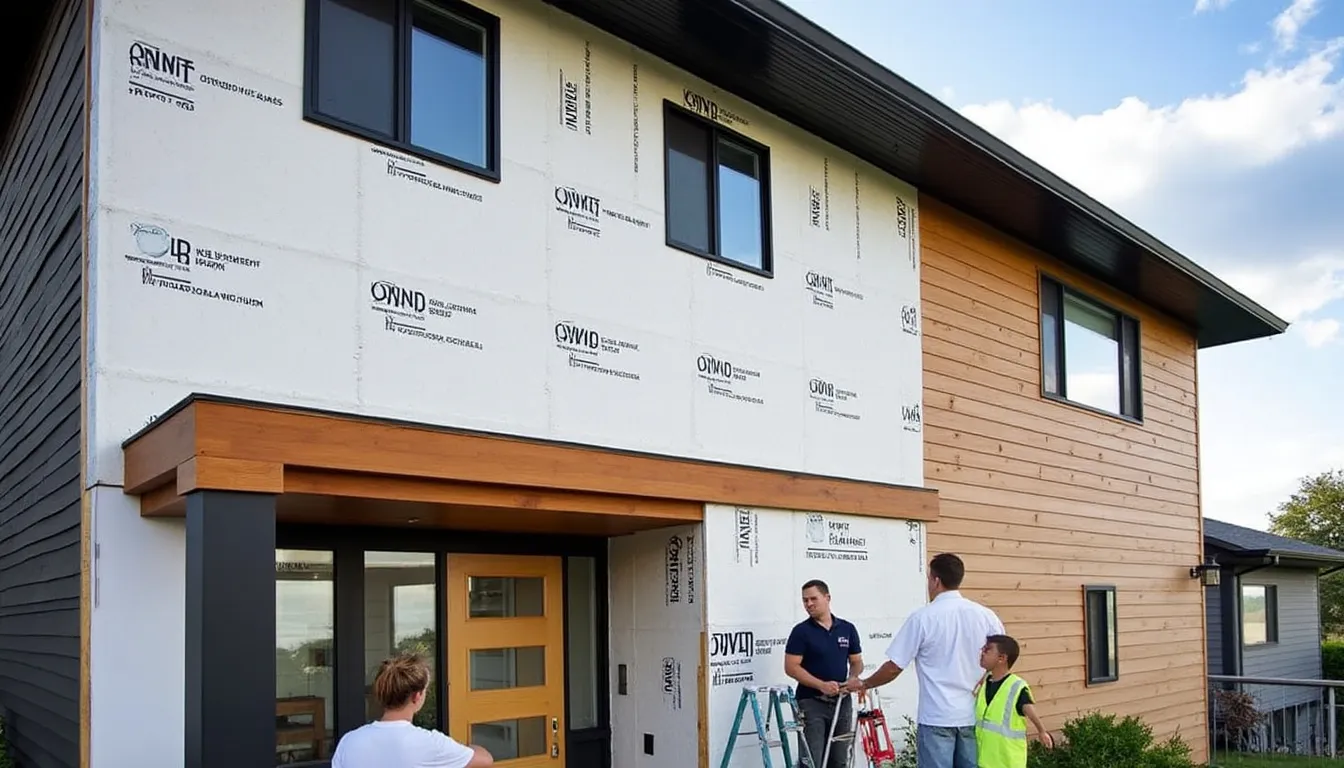
Wall insulation: Adding good insulation can reduce thermal leaks. Materials like Isover or Saint-Gobain offer solid performance.
Roof: Unused attics are often a source of heat loss. Consider adding insulators like Rockwool or even installing Vélux roof windows to improve air circulation.
The Steps to Improve the Airtightness of Your Home
To achieve better airtightness, several solutions can be implemented:
Conduct an energy audit: It is recommended to have a professional check the state of insulation and areas of heat loss.
Repair imperfections: Seal holes and cracks on walls, windows, and doors.
Install insulating materials: Opt for products from Knauf or Castorama, which offer a wide range of insulation solutions.
Choose high-performance equipment: Learn about energy-efficient heating devices like air-to-air or air-to-water heat pumps from Bati-Énergies.
Implement a ventilation system: Consider mechanical controlled ventilation (MCV) for optimal air circulation while avoiding humidity.
Materials and Solutions to Strengthen Airtightness
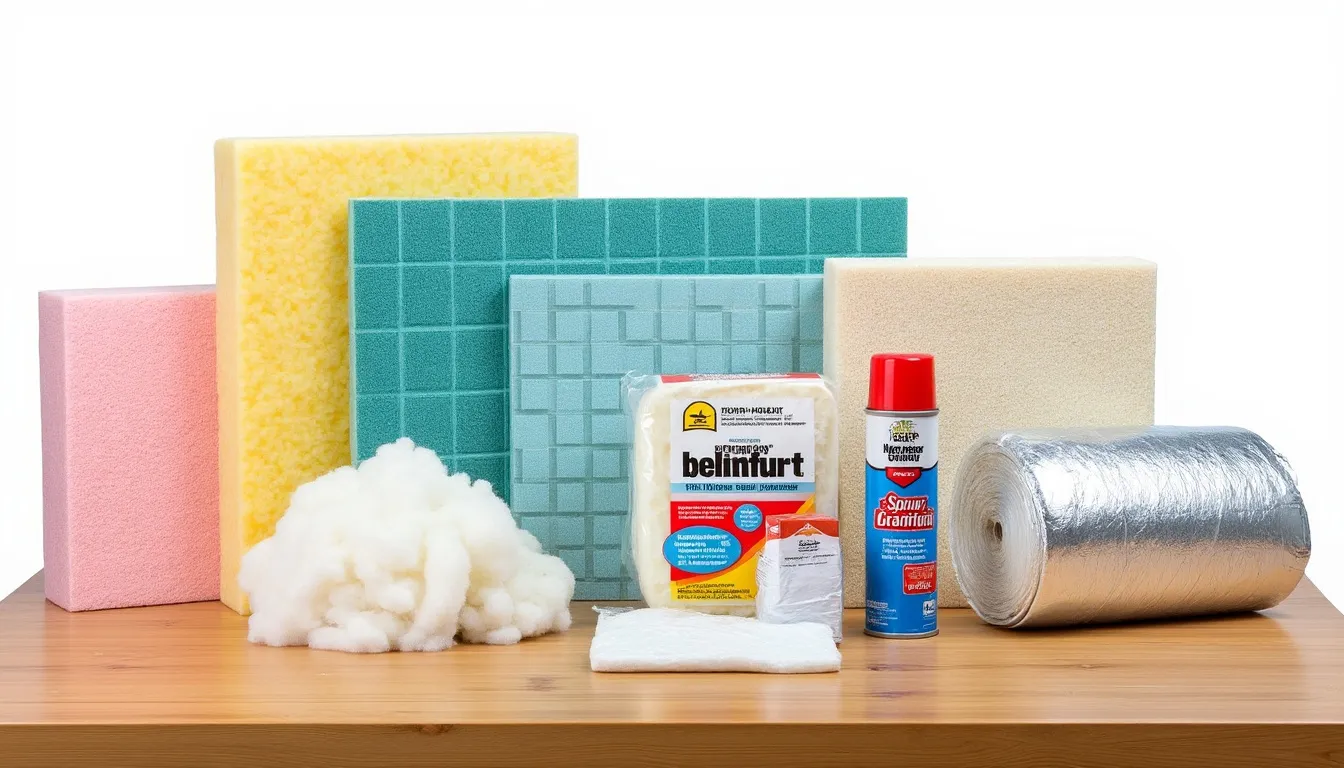
The choice of materials plays a fundamental role in improving airtightness. Several brands stand out in this sector and offer solutions tailored to your needs:
Brand | Offered Products | Advantages |
|---|---|---|
Isover | Glass wool, insulating panels | Excellent thermal insulation, lightweight, fire-resistant. |
Rockwool | Rock wool insulation | High sound and thermal insulation, moisture-resistant. |
Knauf | Insulating panels | Easy installation, high energy performance. |
Lapeyre | Windows and doors | Aesthetic products, environmentally friendly. |
Saint-Gobain | Insulation solutions | Innovative, ecological, and varied. |
The Advantages of Improving Airtightness
Better airtightness brings undeniable benefits:
Reduction in heating bills: Better heat control translates to savings on your bills.
Durability of equipment: A less used heating system will last longer.
Increased property value: A well-insulated house is more attractive on the real estate market.
Monitoring and Maintenance: Keys to Performance
To ensure the efficiency of your heating system, rigorous monitoring is necessary. This includes an annual check of the heating system and regular checks of insulation. Here are some practical tips:
Check the condition of seals: Regularly inspect the seals of windows and doors.
Clean the filters: Keep your air filters clean for optimal operation of your heating system.
Monitor energy consumption: Analyzing your bills can help detect anomalies.
Financial Aids to Optimize Your Project
Note that there are many aids and subsidies available to assist you in your airtightness improvement efforts. Check local programs, but also consider aids such as the energy bonus or the tax credit dedicated to energy transition. This can significantly reduce the cost of the work.
FAQ
Why is it important to improve the airtightness of my house?
Improving airtightness reduces heat loss, leading to significant energy savings and better thermal comfort.
What materials should I use to strengthen airtightness?
Brands such as Isover, Rockwool, and Lapeyre offer effective insulation solutions. Well-insulated windows and doors are essential.
How can I tell if my house is airtight?
Conducting an energy audit is the best way to assess the airtightness of your home. A professional can identify weaknesses and suggest appropriate solutions.
How much can I save on my energy bills after improving airtightness?
Depending on your work, it is possible to reduce your bills by up to 30% or even 50%, depending on the initial condition of your house.
Are financial aids available for these works?
Yes, several aids such as the energy bonus or the tax credit may help you fund your airtightness improvement projects.